
Identity
What Does Your Profile Picture Say About You?
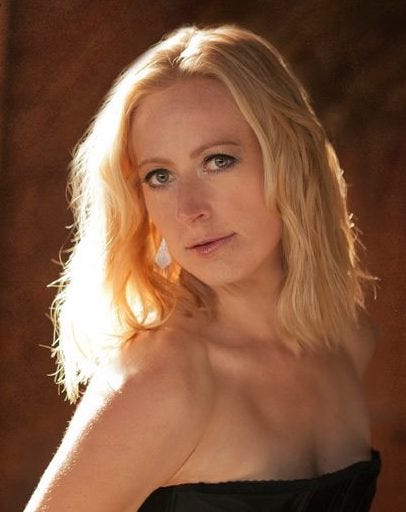
I’ll tell you about mine
Growing up on the Canadian prairies, farm life and farm culture was conservative (still is).
What do I mean by conservative? I mean the men ruled the roost. The women were servants. The news and media were geared towards production, money, and kingdom.
Perhaps when I say conservative, what I really mean is patriarchy.
It was a meat and potatoes kind of life. I had no idea what an avocado was, let alone sushi.
It was also a meritocratic world: Working hard meant you were worthy. Working hard meant you could earn your time to play hard. Working hard meant working like a man.
So that’s what I did. I worked like a man. So much so that I got a reputation of being one of the hardest workers around.
“Oh that Lisa? Oh man, can she work! She doesn’t whine, never complains, ain’t afraid of getting dirty. If you can hire her — do it, you won’t regret it.”
Yup. That was me. I’d work 16–20 hour days. I’d make it my mandate to outwork anyone who owned a penis. I became one of the boys. I rejected all things feminine (even my body rejected menstruation and growing breasts which I now have a healthy dose of each).
So when I look back and reflect on the statement above, I see “she doesn’t whine or complain” as “she doesn’t have boundaries or self-care”.
I never once questioned what ‘working like a man’ meant — Until I made a human. Then I really realized what it meant to work like a woman. This is not a statement of women work harder than men or men work harder than women… In the culture I grew up in, the work that women did was not recognized, it was just expected.
Seeing my first counsellor years ago, she saw something I never did — the absence of the feminine. I was tightly wound, I was all muscle. I was rigid and rejected vulnerability.
“What would it look like for you to embrace the feminine?” She asked. I was scared to answer. I had no idea.
What was modelled to me growing up was someone who was beautifully coiffed with perfect makeup and pressed clothes. Someone who maintained the house and tended to the children. I didn’t want any of that — I would be no one’s slave. But I was, I was a slave to the patriarchy and in trying to beat it, I had joined it.
So after that counselling appointment, I went out and bought a bunch of dresses. Do dresses equal embracing the feminine? No. But that’s where I started.
How I adorned my body was the beginning of celebrating the feminine for me.
So what the hell does my profile picture have to do with any of this? It is a picture of me embracing the feminine. I choose to practice it every day.
Embracing the feminine has led me to a more authentic existence. There is no need for me to be someone I am not. It’s taken me a long time to learn that.
Love, Lisa
Lisa is a Registered Clinical Counsellor currently developing a course on Identity- Who Am I, sifting through your own life to map out your authenticity. She is also a trained Equine Facilitated Wellness practitioner and is the co-founder of Humanity Academy as well as a content creator, educator, artist, poet, mother, and lover of horses. Sometimes she still gets on colts, just for the heck of it.


