
What Does The Research Say On Interval Training?
If you are searching for a form of training that is time efficient and has a huge impact on your physiology, then interval training will help you move well, improve functional fitness, improve your strength, your capacity to do stuff, and help you get athletic over 40!
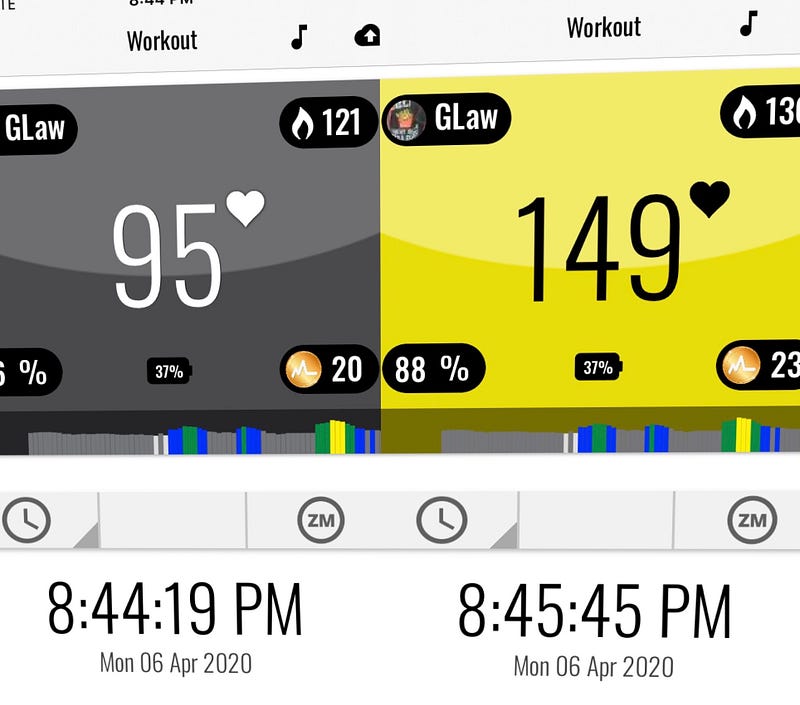
The biggest challenge to implementing interval training is that most people have not been exposed to the latest research and the facts around it.
WHY IS THIS RELEVANT ?
Because if you don’t understand it and the benefits, you will never do it.
It’s too hard.
- Is it safe?
- What is the activity I should be doing?
- How long should the work periods be?
- How hard should I be pushing?
- How long should I be resting?
- How many times per week?
So let’s review some of the research and clarify!
Interval training is alternating work to rest times during your workout.
Work harder than usual , rest, then repeat.
The high intensity version of interval training has become a top fitness trend in the last few years as surveyed by the American College of Sports Medicine.
Like most programs and forms of exercise, progressions are recommended.
High intensity is one way to program intervals, but really in its purest form, an interval is simply a work period followed by a rest period.
Many different modalities can be used for intervals including running, walking up hills, swimming, shuffling between 2 points, cycling, any piece of cardiovascular equipment.
Basically anything that involves continuous movement. Could be body weight movements such as squats or jumping jacks or mountain climbers.
The only issue with body weight is muscle fatigue can limit performance during work time.
Elite athletes have been using for a long time, but it is a form of training that can apply to anyone from cardiac rehab patient to de-conditioned to elite athlete.
That means it can apply to most of us!
Research first really started to be published in large quantities in the early 2000’s. Much of this research has come from Canada, and Dr. Martin Gibala at McMaster University.
Let’s look at what the research says around interval training:
- On the overall benefits of interval training
- On heart strength and interval training
- McMaster University released a study on How 18 minutes HIIT interval training can deliver similar benefits to 5 hours or moderate exercise &
- How sprint interval training provided similar results as traditional endurance training despite 5 fold less time and volume
- How interval training can offset the aging process by releasing growth hormone!
- Heart strength and HIIT (High Intensity Interval Training)
- Additional information on short workouts and how to do:
- Short workouts and brain benefits:
Is Interval training safe even when intense? Use this study to answer : A large study, using 4846 patients with heart disease looked at the risk of a stroke or heart attack after HIT or moderate intensity exercise. The results of this study indicate that the risk of a stroke or heart attack (aka cardiovascular event) is low after both high-intensity exercise and moderate-intensity exercise in a cardiovascular rehabilitation setting.
Is Interval Training a magic pill?
Well, this research clearly indicates it is medicine, and has tremendous benefits.
However, it is far from magic.
In my experience, finding activities that you enjoy and are easy on the body are key to doing interval workouts on a regular basis. As we get older, low or no impact are key.
Hill walking, cycling, ice skating and the elliptical trainer are my favorite ways to get the heart rate up and the benefits. I suggest you experiment with the activities and see how your body feels. Progress slowly.
If you have not exercised in a while, get clearance from your physician. A good interval starts with a brisk walk to the mail box and back. Then rest. Then do it again. Then rest. Then carry something while doing it. Then rest. You get the picture.
You can connect with Greg Lawlor via https://athleticover40.com/