What Does It Take To Open A 5-Star International Hotel The First Time?
A look-back at the opening of the first Shangri-La hotel in Manila
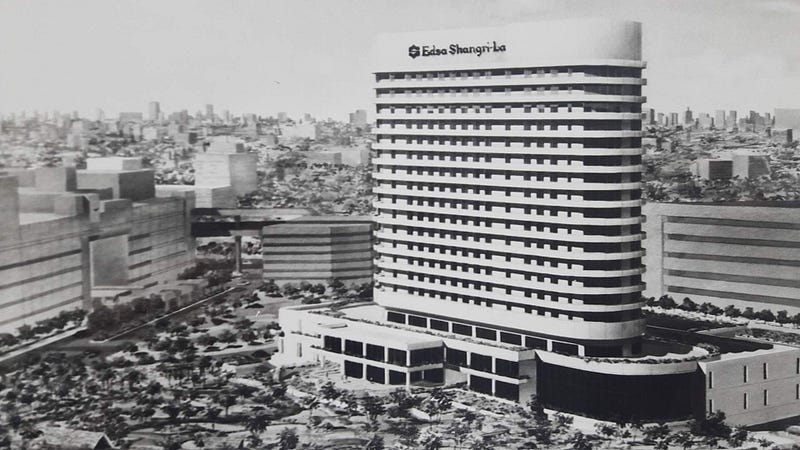
The year was 1992.
The hospitality industry in the country was abuzz about this opening. Shangri-La was one of the fastest growing hotel brands in the world and it was finally opening in the Philippines.
The other brands that were already operating in the metropolis were Peninsula, Mandarin Oriental, Intercontinental, Hyatt, Hilton, Westin, Ramada, Sheraton, Nikko, Holiday Inn and Regent. They all opened their doors to the public between 1968 to 1976.
So what was so special about another hotel opening?
The 16-year hiatus from 1976 until this Shangri-La opening increased the excitement ten fold.
At the same time, the Shangri-La brand was such an attraction to hoteliers that many of them working for the established brands sent in their resumes. I was one of those!
The hotel opened without any hitches. From all the press we received plus feedback from our peers as well as the big bosses from the head office, it was a huge success.
Let me share with you what it takes to open a 5-star hotel successfully, in broad strokes. A critical path for a hotel opening consists of thousands of items that need to be accomplished.
This is the big picture in 15 cuts:
- A hotel owner should engage the services of a seasoned hotel general manager at least 18–24 months before the scheduled hotel opening. This will ensure a smooth fusion and transition from the construction management team to the hotel operations management team. The general manager’s role is to ensure that what is being built is suited to what is going to be delivered in terms of hotel services;
- The moment the hotel general manager assumes his post, he will have to prepare his ‘critical path’ of accomplishments. His most important task is the recruitment of his executive committee;
- The executive committee members hired for this property were the chiefs for finance, sales & marketing, food & beverage, culinary, rooms, information technology, and human resources. I was the HR chief;
- The general manager and his executive committee are now tasked to prepare their most important document — the hotel’s strategic plan from day one of opening to about the next 2 to 3 years;
- Preparation of the over-all pre-opening ‘critical path’ and the strict implementation of this departmentally; one of the most important items in this path is the preparation of the hotel FF&E (fixed furniture & equipment) and the OS&E (operating systems & equipment);
- Writing of the hotel ‘product description’;
- Implementation of the ‘recruitment plan’. In our case we had a requirement for 600 staff;
- Writing of the hotel ‘standard & procedures manuals’ (S&Ps). A hotel of this size can have a minimum of 500 S&Ps covering all areas;
- Implementation of the ‘training plan’ from day one of each hire;
- Each department head should be orchestrating the readiness of their specific areas like the kitchens, the food outlets, function rooms, front office, housekeeping, laundry and public areas;
- Other important matters are the hotel collaterals, social media accounts, guest amenities, staff uniforms and staff facilities;
- Scheduling of the invitational pre-opening dry-runs 15 days before opening date where qualified guests will experience all services the hotel offers for free in exchange for sincere feedback;
- Staff pre-opening ‘big bang’ party done a day before the scheduled opening. This is an inspirational rah-rah talk by the general manager that the day of reckoning has come;
- The grand opening day;
- Post-opening evaluation meetings.
The Edsa Shangri-La Manila opened its doors on August 28, 1992.
The hotel was the first to install the Fidelio Hotel Operating System, what was going to be the standard system by major hotel chains worldwide. We were the guinea pigs so to speak. Fortunately, the system worked well from day one.
The hotel also employed a high number of expatriates from all over the world. Our general manager was British; resident manager French; food & beverage manager Australian; executive chef Swiss; we had several Chinese specialty chefs; a couple of Japanese specialty chefs; and an Italian chef. Hotels in Manila then had a maximum of 3 expatriates in their properties. This move ensured Shangri-La’s very high international standards were adhered to from the beginning.
In the aspect of hotel design, the hotel was the first to adopt the concept of a lobby looking outwards, instead of looking in. Our Lobby Lounge was a big hit. The 100 feet tall floor to ceiling glass panels allowed an unhampered view of the lush green exotic gardens outside — a very good reason to hang around the lobby for business or pleasure.
Of the original 600 staff we hired back then, 50 are still in the hotel. Now in their 50’s and looking forward to their much deserved retirement from loyal service to Shangri-La International’s first property in the Philippines — Edsa Shangri-La Manila.
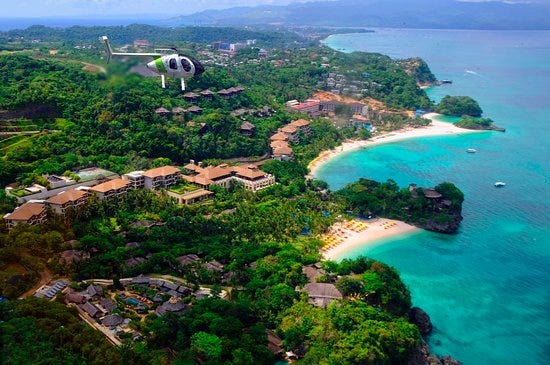
The other Shangri-La hotels in the Philippines are in Makati, Cebu, Boracay and Fort Bonifacio.