
What Does It Take To Be Resilient?
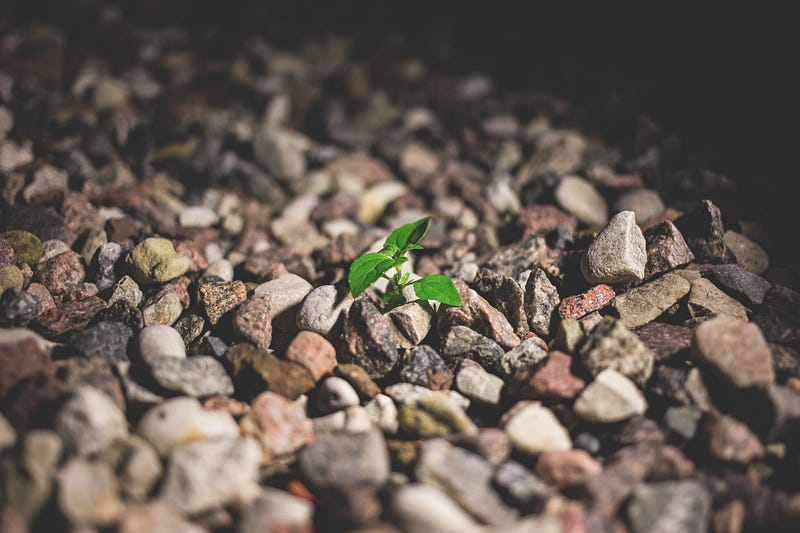
When people hear or read my life story, they almost always ask me,
“How’d you manage to get through that?” or “What did you do to get to where you are now?”
And, when attempting to answer those types of questions, I still waffle on my answers because it’s hard to put into words what I did or how it felt to overcome such significant obstacles.
“The power of the human spirit to sustain grief and loss and to renew itself with hope and courage defies all description.” — Gottlieb, 1901
My life is one full of horrific abuses of all kinds. Consequently, the trauma that I have had to endure is not for the faint of heart, and I have suffered many a setback that should have rendered me non-existent.
And yet, somehow, I’ve managed (and continue to do so) to beat the odds and experience some of the most amazing things life has to offer.
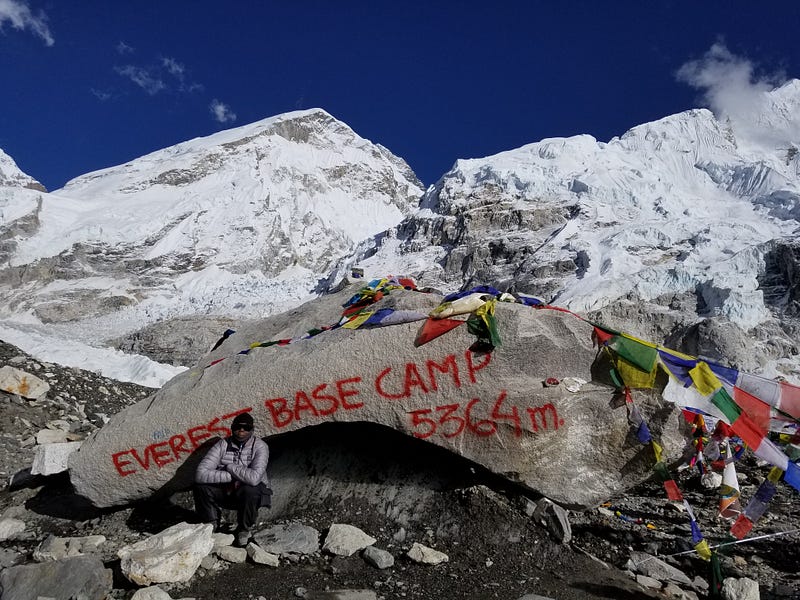
If you’d like to know more about me, you can check out my personal story or read my profile here.
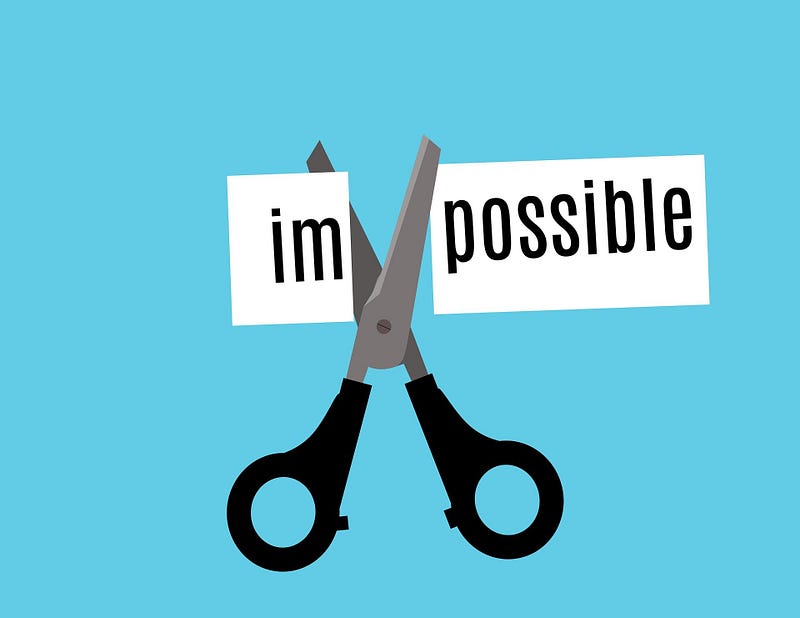
Regardless of the mental or emotional storm life brings, and trust me, they will come, the whirlwinds of change will sweep us off our feet, and the challenges we encounter weathering those storms will seem impossible to overcome.
Being thrown from the nest of life as we know it is the call to dig deeper than we ever have before to overcome the odds. Resilience comes into the picture when we can recover or rebound from those severe traumatic events.
It’s the capacity to recover from the shock.
Inevitably, we all attempt to go around, sneak under, or leap over the obstacles we face when the going gets tough. Although these tricks may work for a while, the challenges don’t disappear. They’re just delayed, covered up, or put on the back burner until we can’t ignore them any longer.
We may even be tempted to ask, “why me?” and get stuck in trying to find an answer during these times.
However, this line of questioning shifts our energy away from the tasks at hand: • accepting what is happening and harnessing the scattered energy • creating space to kickstart our motivation and allow help to arrive • flowing with the impossible becoming possible or deeming it unnecessary to our existence
So, how do we know we are capable of resilience?
When we go through challenges or difficult experiences but can still put one foot in front of the other to keep going, we’re considered resilient.
We ALL are capable of being resilient.
And yes, some of us are naturally more resilient than others. They appear to heal faster, bounce back quickly from hard times, have a better ability to adapt and seem better able to deal with and overcome their struggles.
But we all can learn and practice the mindset and skillset used by those most resilient.
According to the International Resilience Project, resilience attributes tend to start with our personal beliefs about who we are and the world we live in.
Below are six personal qualities that hallmark our ability to withstand emotional tsunamis without toppling over:
1. Being physically and emotionally independent. Although it’s nice to have those around you help you out, ultimately, the onus is on us to do for ourselves.
2. Having the initiative to make things happen. The fear of change may be present, but the desire for better outweighs those fears. 3. Being able to learn from experience and using that learning in new situations. Indicates flexibility and adaptability; there is confidence in knowing we can influence events or circumstances.
4. Viewing crisis as an opportunity using a resourceful approach. The capacity to problem-solve is exponential and arrives when dealing with the unexpected.
5. Laughing at yourself and the world. It’s hard to be frantic and distressed or raving mad and delighted at the same time — another indicator of flexibility, to see the future, go with the flow, while seeing the humour in it all.
6. Being courageously moral even when disapproval abounds. — (this one is my favourite!) Not giving into “herd-mentality” takes a considerable amount of resilience. Still, it provides us with the strength and the resolve to stay on the path come what may, and an inner knowing that whatever occurs undoubtedly will be for the best. Yet, the most significant piece of the puzzle regarding resilience begins from the inside.
My road to resilience was straight through the fires that be, not unlike the phoenix. I’ve repeatedly been physically, mentally, emotionally, and spiritually bruised, battered, burned, and scarred over so many years on this road called life.
Nevertheless, despite the overwhelming feeling of wanting to give up or entertaining the thought of ending it all then and there, I kept putting one foot in front of the other, reminding myself relentlessly that freedom was just on the other side.
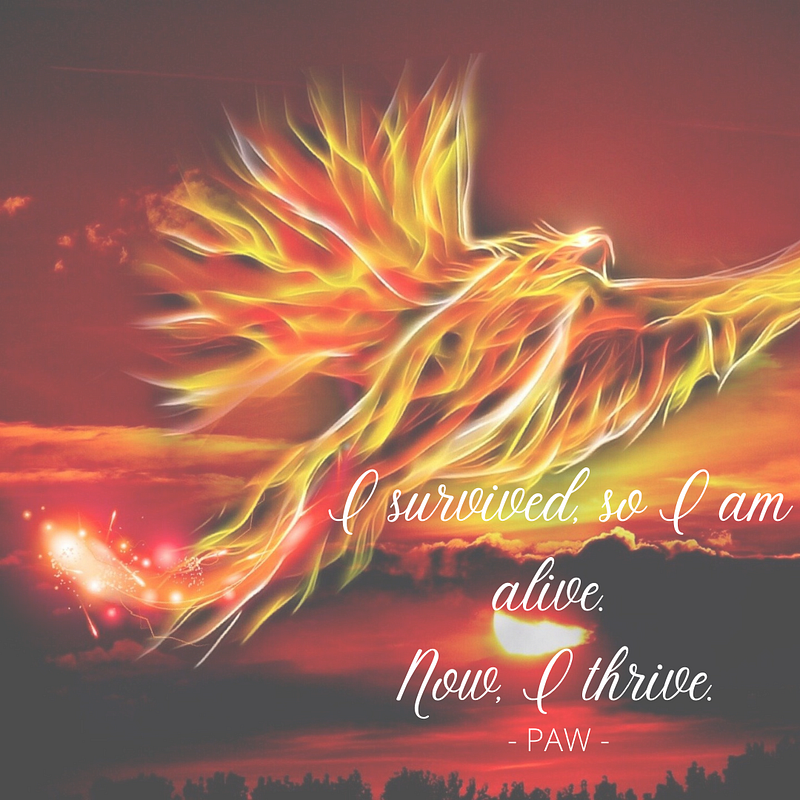
By tapping into our inner resources, we become stronger, more confident, and are more successful in our personal development.
Furthermore, we have the opportunity to learn from our challenging moments with a better understanding of our true capabilities.
Then, finally, we can ask ourselves those “why” questions with the goal of fine-tuning our lives.
To help you gain a better understanding of your ability to bounce back, here are some reflective prompts to ponder: • What does the concept of resilience mean to you? And why? • What are some inner resources that have helped you get through to where you are now? • What made it possible for you not to give up and keep moving forward?
I’m interested in your thoughts, so please feel free to share your revelations with me by sending a private note.
Another take on resilience by Evolve Pub Poetry Winner Deb Fiore captures the true essence of bouncing back in her poem, How I Found My Way Back Home.
Next up, Building Your Resilience = Building Mental and Emotional Fitness. 10 sure-fire ways you can develop your resilience and bounce back from adversity
If you appreciated this piece, please support me by clapping for this article and joining my mailing list to stay up-to-date on my work.
Don’t have a Medium account? You can follow this link to subscribe for one. Your subscription through this link will help support my goals for WellSpring Outreach and gain you unlimited access to all the articles on Medium.
Do follow us on Medium, Twitter, Instagram, Facebook, LinkedIn, Pinterest and BuyMeKo-fi.
Every little bit goes a long way in helping to support my endeavours. 💚