
What Does It Mean To Be a Scandinavian? Not Too Much, Really
Aside from the obvious
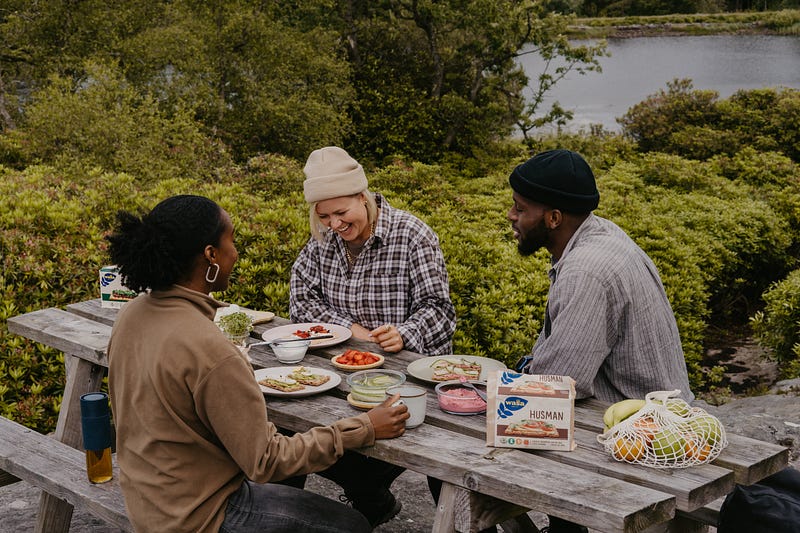
The obvious is that you’re from Scandinavia.
It’s a region consisting of Norway, Sweden and Denmark. That is if you ask Scandinavians about it. Ask Americans, and some will add Finland and Iceland to the list. That’s what most refer to as the Nordic region. Included in this is also Faroe Island, a self-governing nation under Denmark.
I find it interesting to see how values and typical life habits we grow up with can have a significant impact in life later on.
As for what it means to be a Scandinavian, I’m going to base it on research, with a dash of personal thoughts and impressions.
You trust people more than others
Scandinavians have high trust in the people around them, and they truly, fully believe that people want what’s best for them.
Myself included. I’m naive.
In a study, the researchers Jan Delhey and Georgi Dragolov defined social cohesion as having three dimensions: Connectedness to other people, good social relations, and a focus on the common good.
This is as Scandinavian as it gets.
According to an article in World Happiness Report, studies have demonstrated that many measures of trust are correlated with life satisfaction. High levels of social trust also seem to make people’s well-being more resilient to different crises, the article points out. It has also been argued that social cohesion, which is a broader notion than generalized trust, predicts well-being.
One of my very first stories here on Medium was about how Scandinavians will leave their babies to nap outside all year round. Snow, rain, urban, rural, and anything in-between.
They trust that it will all be fine and no one will do anything to harm the baby. Some people may say it’s naive and irresponsible, but that’s not really on the radar for most Scandinavians.
They simply believe the baby naps better in the stroller than inside, and that the fresh air is good for the little one.
You promote equality without the banners
You don’t need a sign to promote equality in Scandinavia because things are meant to be fair and equal to begin with. Of course there’s equality, why wouldn’t it? You promote it because it’s as natural as anything else.
It’s not called maternity leave in this part of the world, there’s an equal term for it; parental leave. Moms and dads both get time off to be with the kids because they’re both parents.
Equality is a given.
It’s not forced or weird.
It’s also not perfect.
As a U.S. News article points out, women have flourished in the Nordic and Scandinavian public sectors, they’ve had plenty of female prime ministers, and at the time of the article, 47% of Sweden’s parliament was female. This is harder to accomplish in the private sector, especially at the management level. In Sweden, only 36% of women are managers. In Norway, it’s even lower: 32%.
You spend more time outside than others
It’s a lifestyle, one you’re born into.
No bad weather, only bad clothing.
Even if your family isn’t very outdoorsy, you are likely to spend more time outdoors than others simply because it’s implemented in schools and the workplace. You can’t get past it.
Schools and daycares let the kids be outdoors rain or shine. Some elementary schools have one day each week where they move the classes outside for the entire day. Workplaces host outdoor gatherings and many Scandinavian employers also incentives staff to spend time outside during their working hours.
I’ve had more than one work party located in the great outdoors. One of them was held on a small island right off the coastline. We rode a boat out to the island and hiked to a cabin. Then, we ate local shrimp and lobster.
It was awesome.
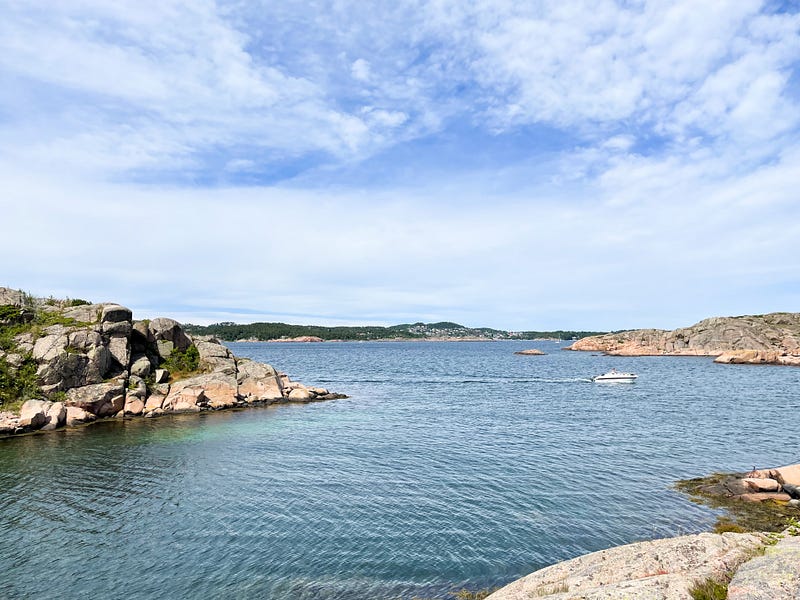
There is a term for it, our love for the outdoors: friluftsliv (poorly translated to open-air living/ outdoor life).
As an article in BBC highlights, the term is used broadly by Swedes, Norwegians and Danes to explain anything from lunchtime jogs in the forest to commuting to work by bike, and joining friends at a lakeside sauna or simply relaxing in a mountain hut.
The Scandinavian countries have similar laws which allow people to walk or camp (almost) anywhere, as long as they show respect for the surrounding nature, wildlife and locals.
You are happier than most
According to pools, research and rankings, Scandinavians are happier than most people on this earth.
I think it has to do partly with what I’ve covered in this article.
I do believe being in the great outdoors can boost a little piece of happiness now and then. Trusting others isn’t always a bad thing. Yes, you can end up getting hurt — that’s a real risk. You can also end up not worrying as much, simply trusting (sometimes hoping) that people generally want what’s best for you.
Equality makes way for a healthy work-life balance.
There’s also not that polarization and division you find in the United States. As we all know too well, polarization doesn’t exactly boost happiness.
A lot of the anger and frustrations I keep hearing from people boils down to politics. With only two large parties, there will be division.
In Scandinavia, there’s also drama in politics but it’s not nearly to the same degree as here. It’s not as loud.
As a suburban Norwegian (minus one year in Bergen and one in Stavanger), I can relate to all of it. Now, living in the United States, I never feel more Scandinavian than when I’m the only one at the playground with my kids from December through March. It’s cold, it’s raining, and we have the whole place to ourselves.
These are mostly general points found through researching the culture and lifestyle of Scandinavians. Then, there are all the personal quirks, there are personal beliefs, food habits, styles and fashion, the list could go on. You’re going to have a different way of living if you grow up in Copenhagen or if you grow up on a rural island in the Northern part of Norway.
It’s a good thing we’re not all one and the same.