What Does China’s Mediation of the Iran-Saudi Arabia Conflict Mean for America?
Should the growing influence of China be a cause of concern for the US?
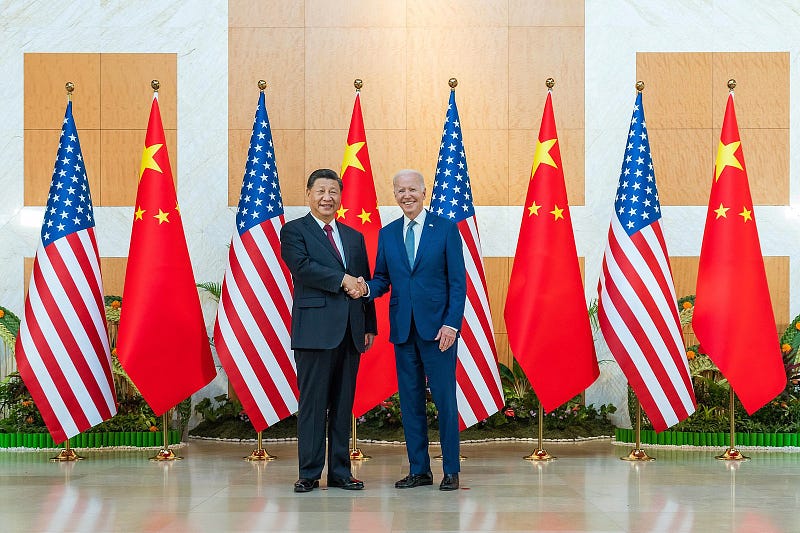

The United States has been a superpower globally, and its role is often centered around diplomatic negotiations and peacekeeping. In the Middle East, the U.S. played a vital part as a mediator, stepping in to help resolve conflicts among countries and maintaining stability. American leaders’ main focus has been on the security of Israel, ensuring a steady flow of oil, and curbing the spread of terrorism.
Some notable examples of American involvement include the Camp David Accords; a peace treaty between Israel and Egypt, and the Iran nuclear deal, which aimed at limiting Iran’s nuclear activities.
However, this role as a mediating superpower has not always been straightforward; America’s relationships with key countries in the middle eastern region like Iran and Saudi Arabia, have been marred with challenges and complexities.
U.S. Conflict With Iran
The United States and Iran have had a tense relationship for several decades.
It all started in 1979 when the Iranian Revolution took place. US-Iran ties were significantly strained during this time as the U.S. embassy in Tehran was captured, and 52 Americans were held hostage for more than a year.
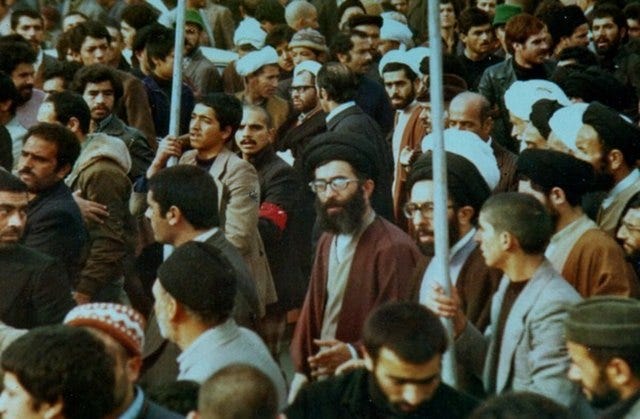

Moreover, the United States has pursued a containment and pressure strategy against Iran, including sanctions, deterrence, and efforts to limit Iran’s nuclear program. The 2015 Iran nuclear deal, or the Joint Comprehensive Plan of Action (JCPOA), was a landmark attempt to curtail Iran’s nuclear activities. However, the U.S.’s withdrawal from the deal in 2018 under the Donald J. Trump (R-Florida) administration heightened tensions.
Alliance With Saudi Arabia
The United States and Saudi Arabia have been close allies for a long time, and the main reason behind this friendship is oil. This is because Saudi Arabia possesses around 17% of the world’s proven oil reserves, and the U.S. needs it for energy. In addition to this, the U.S. and Saudi Arabia have also co-operated on several security matters, like fighting against terrorism.
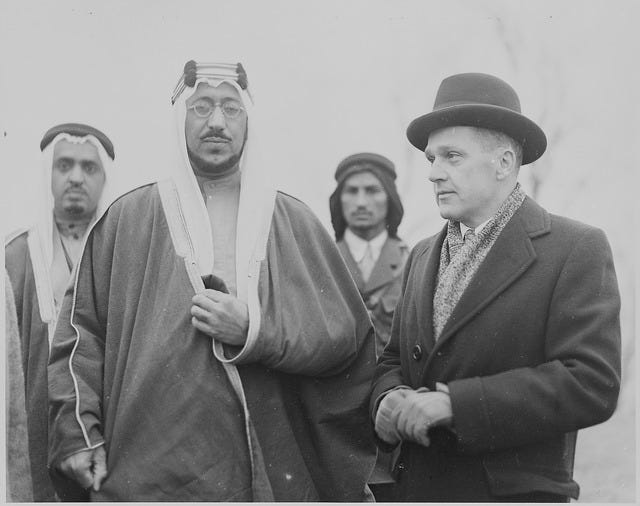
However, being friends with Saudi Arabia hasn’t always been easy for the U.S. For example, the U.S. doesn’t always like how Saudi Arabia treats its people, and they think Saudi Arabia should respect human rights more.
There have also been some major problems among the two countries that further strained their relation. A few years ago, a journalist named Jamal Khashoggi was killed, and many people thought Saudi Arabia was responsible for it. However, U.S. and Saudi Arabia still work together a lot, mainly because they need each other.
Iran and Saudi Arabia Issue
On the other hand, Iran and Saudi Arabia — two influential countries in the Middle East — have had a troubled relationship for many years.
One big reason for this is religion: Iran is mainly Shia Muslim, while Saudi Arabia is primarily Sunni Muslim. These are two different branches of Islam, with different beliefs and a history of sectarian violence. Both Iran and Saudi Arabia see themselves as leaders in the Muslim world, and this has caused disagreements and conflicts between them.
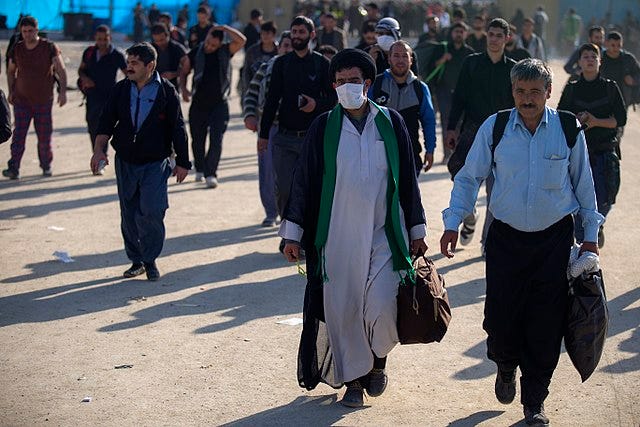

The problems between Iran and Saudi Arabia are about more than just religion. There are also political issues involved. For example, they have different views on how countries in the Middle East should be run. Iran has often supported groups that fight against leaders in other countries, which Saudi Arabia sees as a threat. Saudi Arabia has close ties with the United States, which Iran views with suspicion. All these differences have led to a lot of tension between Iran and Saudi Arabia.
However, the U.S. role hasn’t been solely adversarial towards Iran or supportive of Saudi Arabia. There were times when America tried to promote dialogue and understanding between the two nations, even if those attempts were sporadic and often overshadowed by other strategic interests.
How Did China Step In?
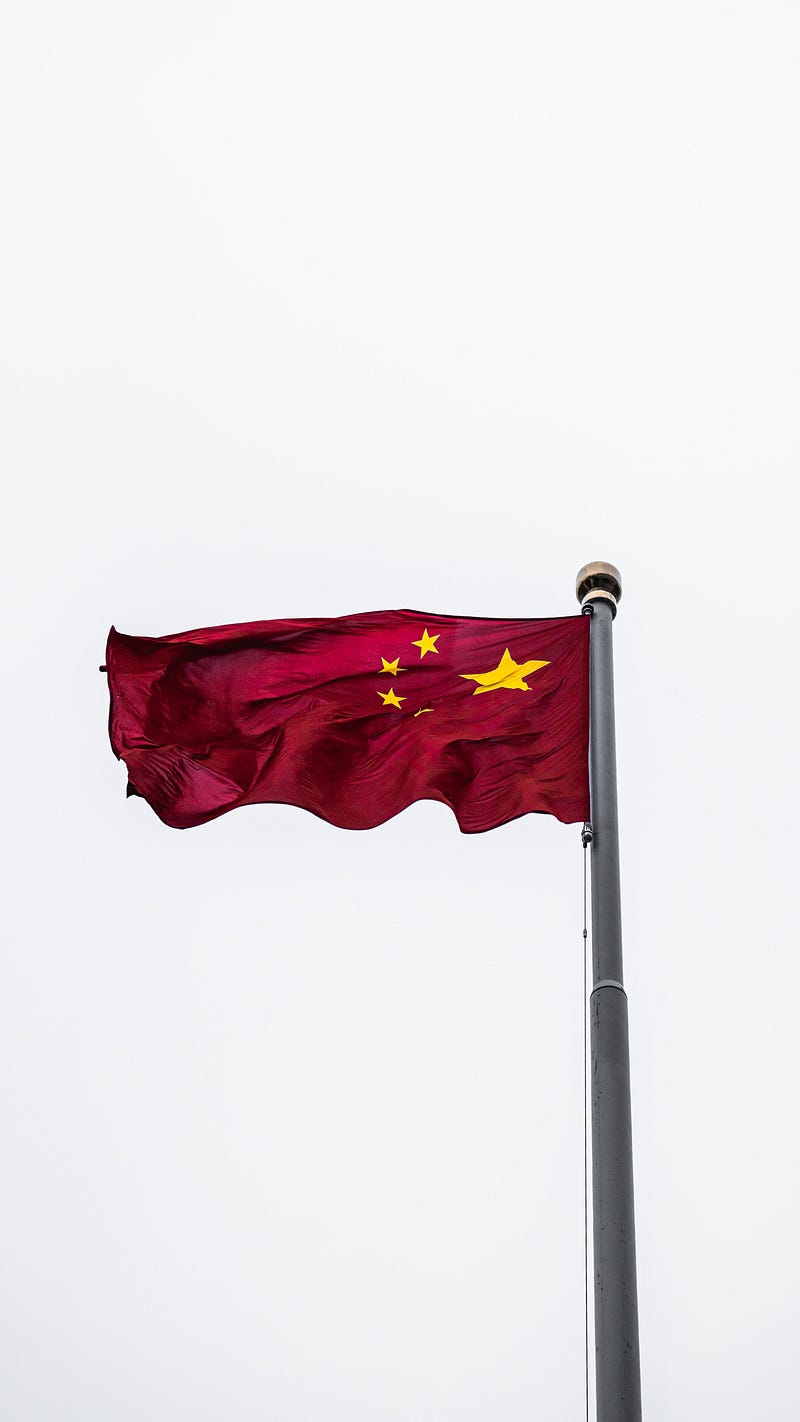
Over the past few years, the United States has been less involved in problems in the Middle East than it used to be. Some people think this is because the U.S. is more focused on issues at home, like the economy and health care. In contrast, others believe it’s because the U.S. is paying more attention to other parts of the world, like Asia and the Pacific.
So, when Chinese leaders saw that the U.S. was stepping back, it decided to offer its help as a mediator between Iran and Saudi Arabia. Moreover, it has a lot of business with countries in the Middle East, including Iran and Saudi Arabia.
Chinese leaders hope that helping these two countries get along better will make the Middle East more peaceful, which will be significant in terms of business. For example, the Belt and Road Initiative is about building new trade routes through many countries, including the Middle East.
China As Mediator
In a surprising turn of events, on March 10, 2023, Iran, Saudi Arabia, and China released a joint statement declaring a new agreement.
This agreement began a new diplomatic relationship between Iran and Saudi Arabia, with a promise to reopen their respective embassies and missions within the next two months. It was essential as it signaled a new era in Middle East diplomacy, with China playing a vital role as the mediator.
The terms of the agreement emphasized respect for the sovereignty of states and non-interference in each other’s internal affairs. Both countries agreed that their Foreign Affairs Ministers would meet to facilitate the return of their ambassadors and discuss ways to improve their bilateral relationship.
Following the announcement, Iranian National Security Adviser Ali Shamkhani publicly supported the accord, strengthening its credibility. On March 11, an Iranian newspaper hailed the agreement as significant, labeling it as ‘One agreement and seven achievements.’
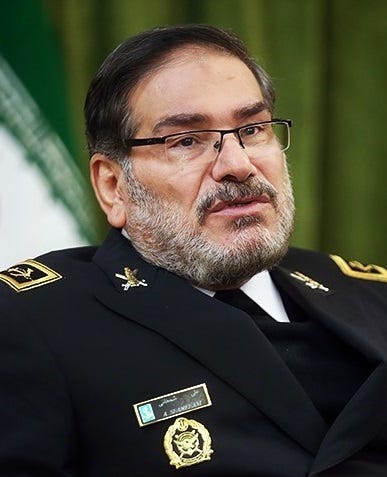

These achievements included highlighting Tehran’s willingness to engage in dialogue, marking the failure of the U.S.’s attempts to isolate Iran, and strengthening the alliance of Islamic Countries. The commentary also pointed out the failure of Israeli efforts against the agreement.
What Does U.S. Have To Say?
The White House recently confirmed that the United States was not in a position to mediate between Saudi Arabia and Iran. However, it also added that China’s efforts to promote peace and stability in the Middle East were not harmful to American interests.
Further, when asked about the U.S.’s perspective on China’s role in bringing about this normalization agreement, White House national security adviser Jake Sullivan had a positive outlook. He stated that while the U.S. had been trying hard to promote peace in areas like Yemen, having other countries like China also working towards the same goal was not a bad thing for the U.S. Sullivan further noted that due to the U.S.’s existing relationships with both Saudi Arabia and Iran, it would not have been possible for the U.S. to mediate between them.


Despite this, Sullivan emphasized that the U.S. viewed the agreement between Iran and Saudi Arabia as a positive development for the Middle East. He shared that the U.S. believed this agreement was a step in the right direction, helping to promote peace and reduce regional tensions — a goal the U.S. had been actively working towards.
He also confirmed that Saudi Arabia had been keeping the U.S. informed about the progress of the negotiations. This suggests that while the U.S. was not a mediator in these discussions, it remained involved and supportive of the process.
Navigating the Waves of Change
However, China’s proposed peace framework for Ukraine met with criticism from the U.S., with Secretary of State Anthony Blinken suspecting it could delay Russian mobilization. China’s relationship with Russia, especially in light of the recent declaration of a “no-limits friendship,” has sparked skepticism about its impartiality in the conflict.
The U.S. response to China’s expanding role as a mediator should be one of cooperation, given the mutual benefits of international stability. The rise in US-China tensions has caused concern among U.S. allies, making finding common ground with China a potentially beneficial strategy.
Experts at the Asia Society have characterized China’s foreign policy as “value-neutral,” meaning China is willing to engage and invest in countries without imposing political or economic conditions, unlike organizations like the IMF or World Bank. This approach is generally well-received by other countries.
China’s role in potentially reconstructing post-war Ukraine also aligns with its economic interests in the country. Co-operation with China could show the world that the US remains a committed global mediator and peacekeeper despite varying motivations.