
Legacy Over Currency
What Do You Want Your Brand to Represent?
Building a Timeless Reputation in an Instant Gratification
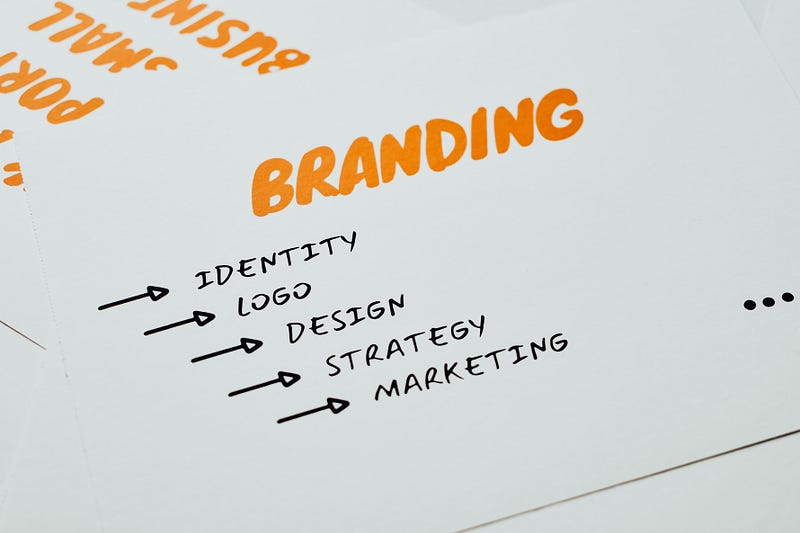
Brands surround us, from the shimmery logos on our clothes to the app icons on our screens. A brand is more than just a logo or a catchy jingle; it’s a promise, an experience, and, most importantly, a legacy. Do we want our brands to be for the wealth they amassed or the legacy they created?
Jeff Bezos once said, “Your brand is what other people say about you when you’re not in the room.”
And in this conversation, the currency might get a fleeting mention, but the legacy? It’s the plotline.
Think of McDonald’s. Sure, they’re a billion-dollar brand, but what comes to mind first? Is it their market share, the memories of family outings, and the childlike joy of Happy Meals? Their golden arches have become a symbol of cherished memories, arguably worth more than any currency they’ve earned.
On a more personal note, my grandfather — a shoemaker in a small town. He wasn’t rich, but his shoes? They danced at weddings, marched in parades, and comforted weary travelers. The legacy of his brand was trust and craftsmanship. Even today, decades later, people in the town fondly reminisce about the comfort of his shoes. He might not have amassed wealth in the grand scheme but built a priceless legacy.
It’s easy to get enticed by the allure of immediate profits. After all, we have bills to pay and dreams to chase. A brand built solely on the principles of earning will be as fleeting as the currency it tracks.
Consider Nokia. Once a titan in the mobile industry, its brand was synonymous with durability. But a focus on short-term profits over long-term vision saw its swift decline. Contrast this with Apple, which, beyond its products, sells an experience and a picture. Their product launches aren’t just sales pitches — they’re cultural events.
Data from Brand Finance indicates that companies with solid reputational legacies have a 20% better brand value growth year-on-year than those driven solely by quarterly earnings.

Building Your Brand’s Legacy
#1 Start with ‘Why’
Before Simon Sinek became popular, purpose-driven brands like Patagonia and TOMS were already focused on their ‘why.’ Why does your brand exist beyond making money? Find this, and you’ll have your legacy’s foundation.
#2 Engage Authentically
Brands are not just corporate entities; they’re like humans with values, beliefs, and emotions. Engage with your audience authentically. I recall a local bakery that would send handwritten notes with every delivery. Such gestures aren’t just transactions; they’re the building blocks of legacy.
#3 Stewardship over Ownership
Treat your brand as something you’re a steward of, not just an owner. This shift ensures you nurture the brand for future generations, not just exploiting it for immediate gains.
As we further into the brand, let’s envision a metaphorical ladder — where each rung takes us closer to a lasting legacy. Every brand starts at the bottom, with the primary aim of survival, often around immediate monetary gains. But as you ascend, the view changes.
The first step any brand takes is establishing awareness. At this stage, it’s all about visibility. Think of the countless startups clamoring for attention in a crowded marketplace. Currency is here to fuel growth, but brands creating genuine, memorable moments start to inch toward legacy.
Take Tesla, for instance. When Elon Musk released all of Tesla’s patents for open-source use, the brand made headlines not just for its innovative cars but for a decision that stood for the betterment of the world over immediate competitive advantage.
Once awareness is established, brands aim for loyalty. This is where trust is built. It’s not just about repeat purchases but an emotional connection. Brands that master this don’t just have customers; they have fans, advocates, and sometimes even cult-like followers.
BlackBerry? In its heyday, the ‘BBM ping’ was more than just a notification — it was a cultural phenomenon. The brand had such a loyal following that users termed themselves as ‘Crackberries.’
Beyond awareness and loyalty lies the genuine impact. Brands that reach this rung make a palpable difference. Their operations, products, or services drive change, sometimes even shaping societal norms and values.
Take Nike and its “Just Do It” campaigns. They’ve touched on everything from gender equality to racial prejudice. The brand’s value isn’t just in its high-performance gear but in the conversations it ignites and the movements it propels.
At the pinnacle, brands achieve timelessness. They’re no longer just businesses; they’re legends. Brands at this echelon are taught in classrooms and discussed across generations.
Coca-Cola is an apt example. It’s not just a beverage — it’s a piece of history, with wartime stories, cultural diplomacy, and jingles that define eras.
Ironically, once brands reach their zenith, the most profound act is to descend and give back. This could be through mentorship, community building, or philanthropy.
Bill Gates, once at the helm of Microsoft, is now better known for his philanthropic endeavors with the Bill & Melinda Gates Foundation. The brand ‘Gates’ now stands for more than just software — it epitomizes global impact and giving.
As we’ve traversed this legacy ladder, it’s evident that legacy isn’t a milestone you reach — it’s an ongoing one. The choices made at every rung, the values upheld in every decision, and the larger vision that guides the brand’s path.
In the digital, where 15 minutes of fame is a click away, and fortunes can be made overnight, it’s tempting to prioritize currency. But in the timeline of history, currency fluctuates, and economies shift, but legacies? They stand tall, casting long, indelible shadows.
So, what will your brand’s path be as you carve it? A brief, bright spark or a luminous star shining across epochs?
Thanks for taking the time to read. I’d like to hear your perspective.
You can also refer to the related articles:

Please subscribe here to receive the latest insightful stories by email.
Did you find this enjoyable? If so, remember to hit the clap button, which you can press up to 50 times and comment. Take advantage of more from me — ensure you’re following if you still need to. Thank you for being an integral part of my journey.