
What do you know about April 25 in Italy?
Liberation Day
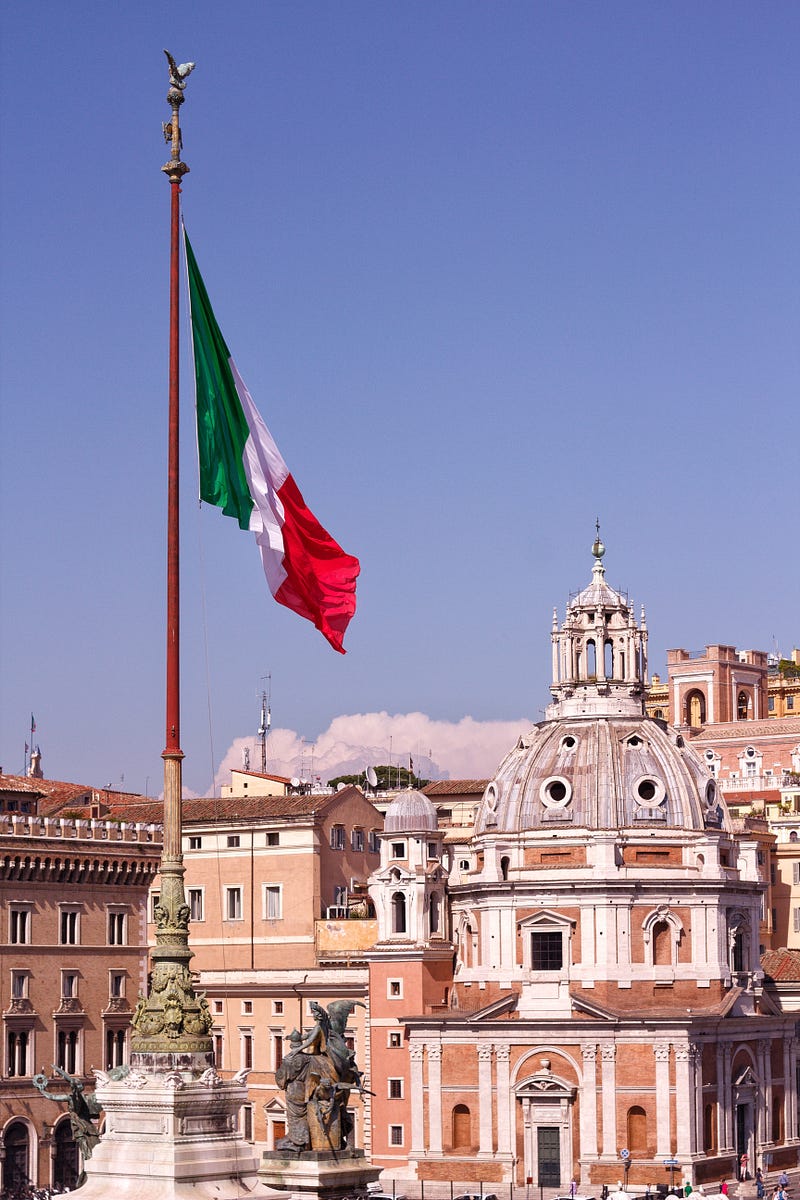
April 25 is an important date for Italy to remember. It is in fact the Liberation Day, namely the festivity that remembers the moment when Milan was definitively liberated from the Nazi-Fascist occupation at the end of the Second World War.
However, today is also a way to commemorate the Resistance, that is the struggle waged by the partisans, the set of political and militarist movements that in Italy opposed Nazi-fascism, from Cassabile armistice onwards. It was September 8, 1943, the day on which the agreement was signed by Badoglio with the Allies.
So today I would like to briefly retrace the history of this holiday, underlining the importance of keeping its meaning alive in our memory, in order not to make the same mistakes again, to remind us of the heroes of the past and of their courage or to reflect better on what happens nowadays in the world. A lot can be learned if you look back in time and you don’t forget the teachings.
What happened before April 25, 1945
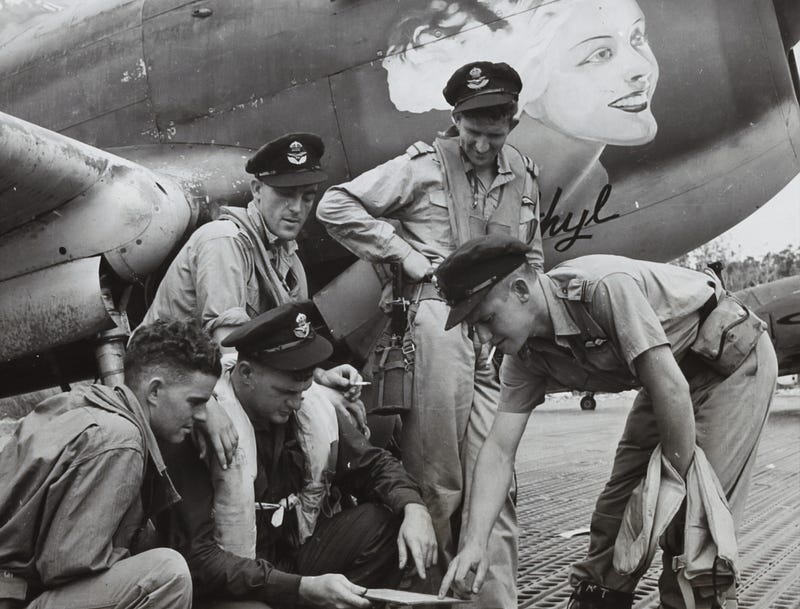
As previously written, on 8 September 1943, the Italian government chaired by Pietro Badoglio signed an armistice with the Allies. From that date, the first clandestine groups of partisans began to appear throughout the country, which would later give rise to the Resistance against the Nazi-Fascist army. In truth, the first collapse of the fascist regime in Italy had already occurred on 25 July 1943, at the moment when King Vittorio Emanuele III had Mussolini dismissed at the end of the Grand Council of Fascism. The Duce had thus been imprisoned on the Gran Sasso.
Following these events, the Nazis had given way to the occupation of Italy, then freeing Mussolini and placing him at the head, in the north of the nation, of the Italian Social Republic, more commonly known as the Republic of Salò for the seat of its political centre, on Lake Garda.
However, at the same time, the Anglo-American Allies had landed in the South, whose struggle against the Nazi fascism was from that momen n accompanied by clandestine partisan battles. An important decision was then later the establishement of the CLN, namely the National Liberation Committee, in February 1944 in Milan. This was intended to coordinate all Italian anti-fascist and resistance movements, from Communists to Socialists to Christian Democrats and shareholders (members of the Action Party).
What happened on April 25, 1945
In March 1945, the previous month, many German soldiers still resisted the Allied offensive, which was however intensifying. The battle line, known as the Gothic line, extended south of the Po Valley, along a front more or less parallel to the Via Emilia.
On 10 April, the Communist Party issued the “Directive no. 16 ”, addressed to all local organizations with which it was in contact. This directive underlined the importance of “unleashing the definitive attack” , as the right moment had been reached, from a strategic and military point of view. At the same time, six days later, the Upper Italy National Liberation Committee issued similar instructions, inciting a general insurrection.
This was the moment when the Resistance launched attacks on urban centers. Bologna was attacked by the partisans on April 19 and, with the help of the allies, definitively liberated on April 21.
On 24 April the allies therefore managed to cross the Po, while German soldiers and of the Republic of Salò began to flee from Milan and Turin. In the Lombard capital a general strike was proclaimed through the “Milano Libera” radio by Sandro Pertini. He was then a partisan and a member of the National Liberation Committee, while later he will be elected President of the Republic.
As a consequence of these victories, on the evening of April 25, Mussolini left Milan and, disguised as a German soldier, tried to escape. On Lake Como, however, the Duce was captured by the 52nd Garibaldi Brigade, tried and finally shot. His body, together with that of his partner Claretta Petacci, was exhibited upside down by the partisans in Piazzale Loreto, in Milan.
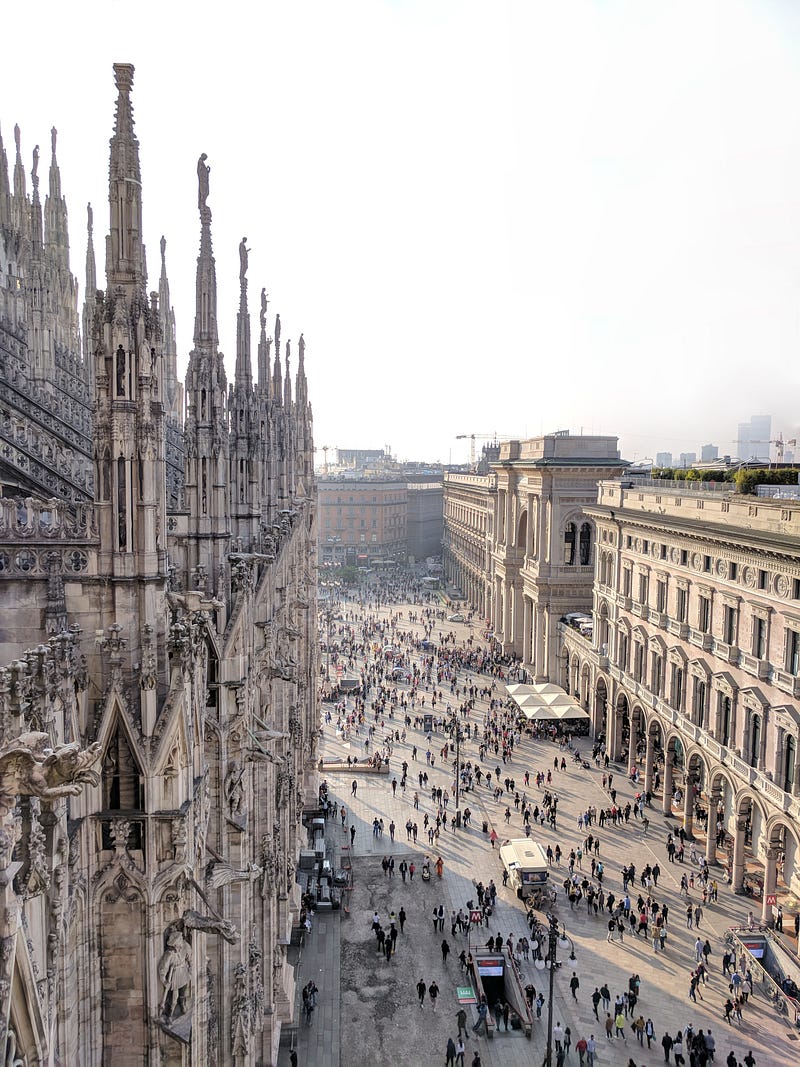
In the city, a first major demonstration to celebrate the liberation was held on April 28, while the Americans arrived on May 1.
The 25th April holiday
The anniversary of 25 April to commemorate the liberation from Nazi-fascism was established the following year. On 22 April 1946, the provisional Italian government led by Alcide de Gasperi, established with a decree that this day would be a “national holiday”.
The date was then definitively fixed with Law 269 of May 1949, again presented by De Gasperi to the Senate in September 1948.
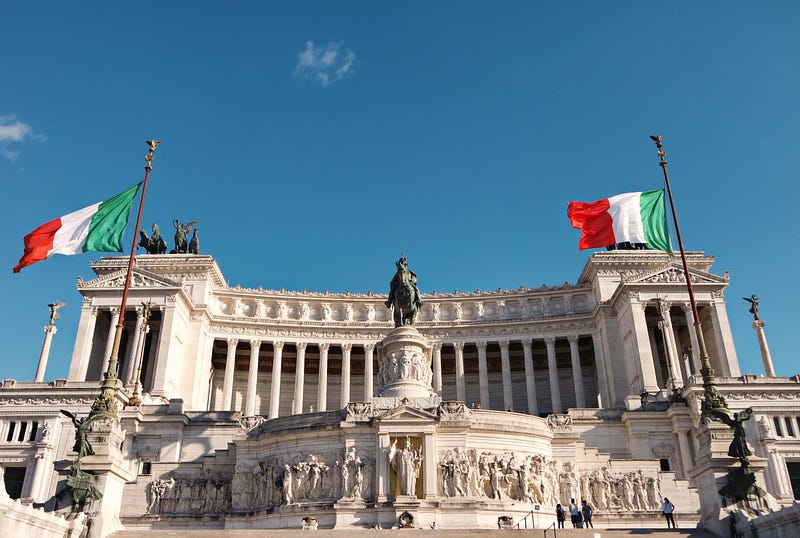
Today, every 25 April, the President of the Republic places a wreath of flowers at the Altare della Patria, in Rome. In Milan, on the other hand, the demonstration of the Anpi, or the national partisans association, is organized.
Sources I was inspired by to write this article:
- Perché il 25 aprile è la festa della Liberazione, published by Il Post
- 25 aprile, ecco perché si celebra la Festa della Liberazione, published by La Repubblica
- 25 aprile, perché si festeggia la Liberazione, published by Sky Tg24 online page
I am an Italian student who tries every day to improve her English. I really like writing and studying in this language, also to be able to reach more people. However, I still often run into mistakes. So, if while reading my article you have found some, do not hesitate to contact me, either though a comment or private note!


