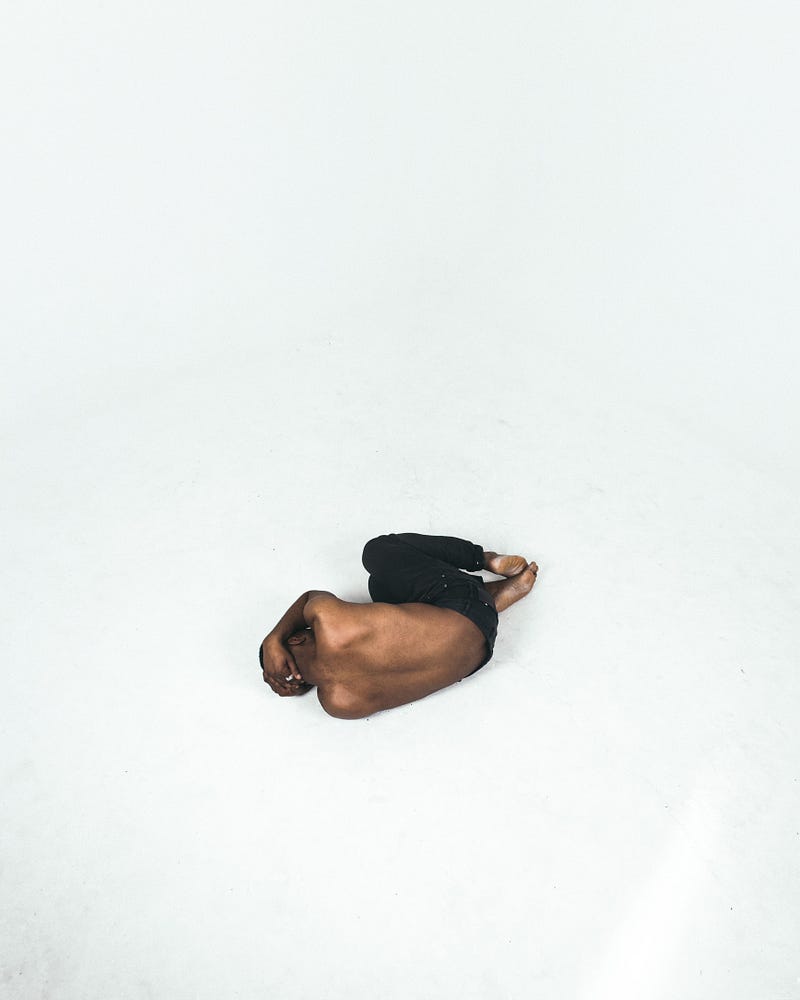
What Do I Do with My Black Sister’s Pain?
On a difficult conversation with a sister
I sat in my dorm room, touched by the light Oregonian breezes as the open door allowed spring in.
That didn’t heal my tattered heart as I listened to my Black sister Rosennab rage.
I can do nothing. Nothing for the rage she feels for yet another Black man murdered for the crime of being in the wrong skin.
Rage for the daily, second-to-second fear that she feels for her 28-year-old son, who walks most places, who is subject to the same mindless viciousness that denies him the sacred right to the same quality of life as any human. Not here. The call could come at any time.
Why does she live in terror? Because this:
From the article:
This means that black men are, on average, three times more likely to be killed by police than are white men.
Then we have renegade, redneck retired detectives who decide that some Black kid out running is a killer. Your son. Your nephew. Committing the crime of breathing fresh air.
The call could come any time.
The entire community knows the statistics. They live with the bloodletting. The bloodcurdling scream of a neighbor whose son was gunned down for the crime of leaving the house to get…what, a bottle of milk for the baby?
I can’t even begin to understand. Not really. Perhaps more than most due to my upbringing. But I do not have to live my life like a fucking apology, which seems to be part of the passport paid for Living While Black.
Rosenna was raging.
Rage for the terrible price all Black people pay to put on whatever masks are necessary to ensure that she (and her PhD husband, and all her kids and family and kith and kin) come across as “the happy Black person.” Read, nonthreatening.
Act white. It’s your job to make us feel comfortable.
For as I said to her, lest she unleash the rage I was receiving on the world that needs to hear it, she risks being branded yet another hysterical Black woman. Not a PhD, a woman of substance, brilliant, funny, talented, capable, gifted.
As if she needs reminding.
Nope. Just a crazy Black Bitch who needs to shut the fuck up already. Let’s disregard the trauma that each uncalled for Black death layers onto the Black experience.
The whispered, then shouted warnings to the kids. The terrible fear to behave in such a fearful, obedient way that no manner of expression is appropriate, except what can be vented behind closed doors. The screams and protests and frustrations that have to be silenced to be safe.
I listened. My heart ached. I wept.
I had called Dr. Bakari after reading this from her:
Wednesday is a busy day for her, and I felt guilty for calling. However, we spoke. I listened. In many ways, utterly helpless. She is hardly my only Black female friend. Some have been dear and close friends for decades. I have the kind of respect for Dr. B that I reserve for very few, and consider myself deeply fortunate that we are connected.
We connected because of an article I responded to written by another remarkable Black woman, DeLisha Sylvester:
I will never have the intimate painful experiences these women have daily. The prices they pay. I can only have compassion. I can only listen to the fury and the rage without judgment. Without fear. For if nothing else, simply calling and saying I care, simply being willing to be a soundboard for the intense anger is something. Not much. But providing at least one safe place where such anger can pound its daggers into the corkboard of the soul and not fear censure or judgment is, well, something. Not much.
What does a White Sister do when a Black Sister rages, righteously? Why is it outrageous when women rage about injustice?
Why is it a crime against society when Black women rage about outrages to the entire community?
Why are we so fucking afraid of their pain? Their voices?
Because of the terrible truth.
Two years ago I was driving to Boulder on what used to be the back road, Highway 93. About halfway, Colorado Public Radio was featuring a Black female artist, Dominique Christina, performing her poetry about Anarcha. Anarcha was a Black slave woman who underwent repeated gynecological procedures without anesthesia in the early days of the work.
I nearly went off the road from the angst, the pain and the power of her performance. As it was, I drove into the closest gas station and wept. That day I sent CPR another donation. I don’t pay them to keep me happy and distracted and entertained. I pay them to educate me, whether I happen to find the information pleasant or painful. Every time some ob-gyn uses a speculum on my body, it came at the cost of imprisoned Black women.
That history touches me. When it does, it burns.
Denial of Black pain doesn’t diminish it. Ignorance of it, or needing those Black friends of ours to behave in ways that allow us to stay comfortable comes at a cost.
Justice is slow. The so-called “Father of Gynecology,” Dr. Marion Sims, was toppled from his pedestal in New York City. His was a horrible legacy, a tiny bookmark in the library of offenses against an entire race. But toppled no less.
That doesn’t make living as a Black woman, a woman with a Black son, any less dangerous. Taking down a statue doesn’t protect anyone from brutality, bullets, or raging into a private home with questionable cause and shooting the occupants for Existing While Black.
My Black sister’s pain is my pain. Her shout for equality is mine. Her agony over the price she pays to be human is mine, too. Her terror for her son is the terror of all parents who wish to never bury a child.
All I can do is listen. All I can do is absorb. All I can do is bear mute witness.
Take nothing personally. Without judgment. Just hear.
For in a senseless world, sometimes listening is the only true gift we can possibly give each other. To validate that pain, that anger. Not to soothe what cannot possibly be soothed.
Rosenna challenged me to write this article. She honored me to do so. All I can do is witness. I do not speak for Rosenna. Only as a white woman whose Black friends have every right to rage. For what it’s worth, I hear you.
And I weep for all of us.