
What Do I A Black Woman Have In Common With Elon, Steve, And Bill?
To be honest, nothing
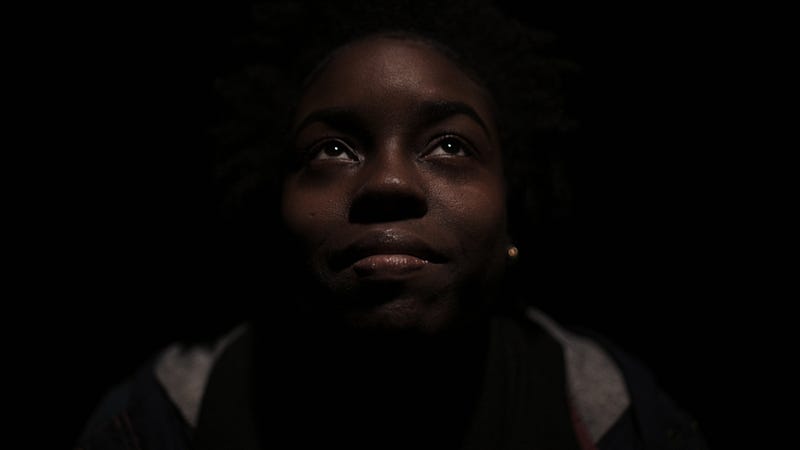
Yes, I am referring to Elon Musk, Steve Jobs, and Bill Gates, and no I don’t have anything in common with them. I don’t have their white privilege, their male privilege, their Ivy League school dropout privilege, their wealth privilege, or the tens of other privileges they have or had.
They might as well live on Mars for all I care, we have absolutely nothing in common and there is no way in which my life will ever resemble theirs. I need to fight for every inch of respect, recognition and wealth I’ll ever get in my life. All they’ve done is flash that white male privilege card to get there — that’s how they got all those investors and excessive market valuations in the first place. The world is an unfair place, white men have it easy and black women have it tough, so let’s not let pretend otherwise.
So when I read self-help articles telling me to implement Elon Musk’s three simple principles to attain great wealth, I can’t help but feel a huge amount of anger and frustration. There’s this whole culture out there, this whole path that totally excludes women that look like me, and I’m expected to read this stuff and try harder. I have news for you folks: I could wake up every day of my life and implement the exact same principles Elon, Steve, and Bill did, but I’ll never obtain the same results because I am not a white privileged man.
So let’s stop all this nonsense and let’s get real. Who is going to write a self-help book that helps one build resilience in the face of racism, that helps one cope with micro-aggressions in the workplace, that helps one find employment or progress career-wise despite interpersonal, systemic, and structural racism? Now, that would be much more helpful to me in navigating the world than dreaming of winning big on a magic formula for success concocted by a bunch of white privileged men.
Elon, Steve, and Bill didn’t have to face racism or sexism. If they had, we would have certainly heard about it. They were born with the right cards in hand, they won the lottery of life with their white male privilege. They didn’t have to struggle half as much as I do to get anywhere.
Don’t stuff their success stories down my throat, it’s already hard enough as it is realizing that because I was born a different color and a different gender, I automatically have fewer chances at success in life. Elon, Steven, and Bill can never be my role models and I will not try to emulate them because I don’t even remotely look like them. With the life and privileges they have had, I sometimes even wonder if we inhabit the same planet.
And then comes the self-help books. Most of which are written by white authors totally unaware of their privilege. I have succumbed to temptation and purchased these books time and time again only to realize that the writer was preaching advice from a place of white privilege. Implement these three simple steps and you’ll climb up the corporate ladder fast they’ll say, but did they ever think that you might not be able to get into the company in the first place? So most times, these self-help books end up in the bin because they are completely useless to me.
One book that particularly irked me was Sheryl Sandberg's “Lean In”. Of course it’s easy to “lean in” if you are a white woman and don’t face racial micro-aggressions daily. Now, let me ask a question: How do you “lean in” when you have racist colleagues and managers?
Almost all the advice Sandberg dispenses in there is for white women to follow — I bet you she never once thought if that same advice would work for black women. Like many others, her white privilege is her blind spot.
Every year-end, many of the great white and non-white leaders in the world share their self-help book recommendations. For years I have gone through these book lists hoping to find one that speaks to me as a black woman — one that gives me guidance and advice that I do not have to be white to implement. I rarely find any.
There is a dearth of self-help books that take into careful consideration the ethnicity and gender of the reader. One cannot pretend that these two factors don’t play a role in how successful you’ll be in life.
You would think that in a world where racism and sexism are rampant, authors of self-help books would realize that no one size fits all, not one piece of advice fits all. They need to realize that in order to truly help us all, they’ll need to put themselves in our shoes or at least customize their advice in order to make it implementable and useful for white, black, and brown people alike.
Thanks for reading my perspective.


