
What Do Children Want for Christmas This Year? Retinol
Kids as young as 7 are increasingly asking for skincare and anti-ageing products, inspired by social media
Generation Alpha, those born in 2010 or after, is the first generation that has grown up entirely online. Many of them grew up as iPad babies, got their first smartphones very young, and have had access to the Internet since childhood.
This generation also spent some of their most crucial developmental years communicating with their friends solely online. Lockdown took normal social interaction away from classrooms and turned chatting with your friends on the Internet into the new normal.
As these kids access online spaces that are curated for adults, it seems that they are getting influenced by social media to grow up much too fast. One of the ways this manifests is through Generation Alpha’s obsession with skincare.
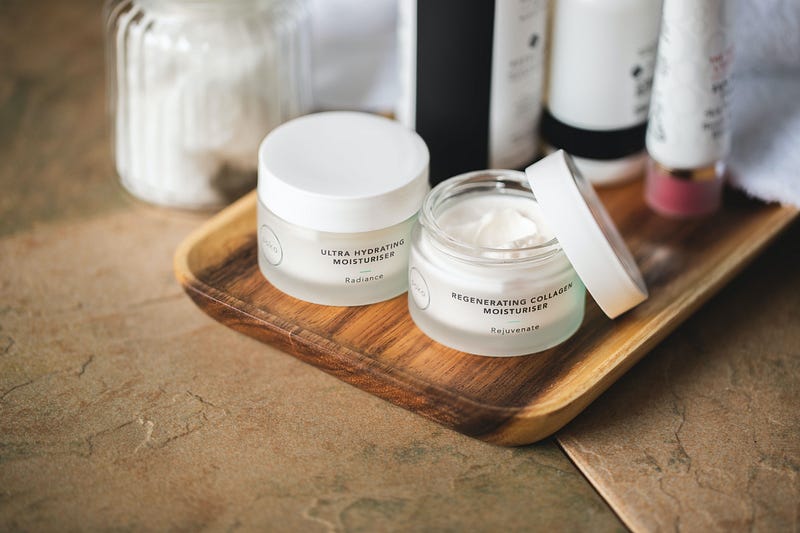
Did you ask for toys for Christmas when you were 7 years old? Well, that’s a thing of the past. These days, kids want pots of moisturizers that cost almost 70 dollars. On social media, they see tweens or child influencers doing elaborate skincare routines, which to them signifies that they should do it, too. Whereas people my age may get influenced by Kim Kardashian’s Instagram, the younger generations follow her child North West, who does skincare and makeup tutorials on TikTok. She is ten years old.
These child cosmetic experts are called baby beauty influencers. Some of them have millions of followers, like Haven Garza, a 7-year-old child who often shows her cosmetics routines using products that are meant for adult skin.
In one video, she shows her skincare routine using products by the brand Glow Recipe: a beta hydroxy acid toner, a niacinamide serum, a hyaluronic acid serum, a beta hydroxy acid and alpha hydroxy acid serum, and a lip balm. Total cost? 175 dollars. In the video, she says “I feel like I’m an adult now.” She is seven.
Another video shows her reacting excitedly to unpacking the products used in the video with the text “Thank you so much @Glow Recipe” leading me to believe that the products were gifted by the brand for promotional purposes.
A report by Amazon states that Generation Alpha “will soon dethrone Millennials and Gen-Z as the go-to consumer segment for big brands.” It looks like they already have. Skincare is now marketed to children, and while some may view it as harmless fun, do we really know what the long-term effects are of regularly using harsh chemical exfoliants like BHA and AHA on a child’s skin, or anti-ageing products like retinol? At best, they do nothing. At worst, they’re harmful. No child needs to be sold a product that targets fine lines and wrinkles.
Twitter users were discussing the child skincare phenomenon, with one saying “I work part-time [at] Sephora and I have to talk parents out of buying this stuff for their kids like I swear your 7-year-old doesn’t need peptides and a retinol serum.” Another cosmetic counter employee said she’d been asked by a parent about a skincare routine for a 7-year-old. She and the parent agreed that the child has none of the skin issues that the products that she wanted were targeted for.
These kids could be marketed some sort of tween-friendly routines, like a gentle cleanser and moisturiser and some SPF. Instead, they’re targeted with marketing for an 8-step skincare routine which includes harsh exfoliants and anti-aging products that no child needs, attempting to get them to adopt the same skincare routines as women in their 30s before they even turn ten years old.
If your child has skin problems, take them to a dermatologist. If they’re asking for an adult skincare routine, have a look at how they’re being regularly influenced by TikTok, YouTube, and Instagram. No child needs a retinol serum, BHA peel, and a peptide moisturiser. Maybe just buy them Legos instead.


