avatarŁukasz Gebel

Free AI web copilot to create summaries, insights and extended knowledge, download it at here

2363

Abstract

claim that great victory happened!”</p><p id="c928">But what are these mysterious origins of the word?</p><h1 id="6433">They call it a mine!</h1><figure id="b071"><img src="https://cdn-images-1.readmedium.com/v2/resize:fit:800/1*r8Zm19BqO-l4eKRYaBfW0A.jpeg"><figcaption>Image by <a href="https://pixabay.com/pl/users/mochilazocultural-336976/">mochilazocultural</a> on <a href="https://pixabay.com/pl/photos/stare-zardzewia%C5%82y-kopalnia-gondol%C4%85-3291780/">Pixabay</a></figcaption></figure><p id="32f6">Surprisingly, all traces us to the <b><i>mine</i></b>. Yes, the mine. Let’s get back to the 19th century to the north of Spain. We’re in the Basque Country. Its Biscay province is well known for its <b><i>high-quality iron</i></b>. The iron-mining industry is very profitable and it attracts the attention of foreigners.</p><p id="364d">That’s why some mines sold their iron to Englishman. And it seems that English buyers didn’t care about learning and using the Spanish language. According to the story [1], when Spanish miners found pure iron ore, their English partners put a sign on a mine’s doors:</p><p id="8373" type="7">“All iron”</p><p id="2492">And they paid double wages! Every time when this sign appeared, miners were extremely happy and were chanting:</p><p id="e6b0" type="7">“Alirón! Alirón! Alirón!”</p><p id="6e33">They simply made their own word using the sign to celebrate this joyful moment.</p><p id="ce05">Another variant of this story describes miners who used chalk to write “all iron” on the pure iron-ores. It also meant that they’ll get extra money from English buyers. So it was also a reason to celebrate and create a new word using the Spanish pronunciation of the English term.</p><h1 id="65d7">Let’s stay in the Basque Country for a moment</h1><figure id="ecce"><img src="https://cdn-images-1.readmedium.com/v2/resize:fit:800/0*afL4OZG-EJ-NQWws"><figcaption>Photo by <a href="https://unsplash.com/@jan_strecha?utm_source=medium&amp;utm_medium=referral">Jan Střecha</a> on <a href="https://unsplash.com?utm_source=medium&amp;utm_medium=referral">Unsplash</a></figcaption></figure><p id="b6c3">A different story explaining the origins of “<i>alirón”</i> is also related to the same north area of Spain. Around 1913 the Athletic Bilbao football club had a really good season. To celebrate it, the team together with fans we

Options

re listing to the famous artist Teresita Zazá [2].</p><p id="e496">Teresita sings one of the hits of her times. The audience is euphoric about her performance. She feels their support, that’s true entertainment. To make it even more interactive the artist asks people to sing with her. The refrain is as follows:</p><p id="0a72" type="7">“¡Alirón! ¡Alirón! ¡Pon, pon, pon, pon!”</p><p id="cddc">The crowd goes wild and… creative! They sing together, however, they change the words:</p><p id="b727" type="7">“¡Alirón! ¡Alirón! ¡El Athletic campeón!”</p><p id="1faa">That’s a great tribute to the Athletic team. The song stays with fans for a long time.</p><p id="a72c">But wait, how “<i>alirón</i>” landed in the song? Probably, it was a word without much meaning. It just fit the rhythm of the music, but since then it’s associated with the victory.</p><h1 id="da70">Let’s check in the dictionary</h1><figure id="78f2"><img src="https://cdn-images-1.readmedium.com/v2/resize:fit:800/0*k11PXjnf-46cpMEB"><figcaption>Photo by <a href="https://unsplash.com/@pisitheng?utm_source=medium&amp;utm_medium=referral">Pisit Heng</a> on <a href="https://unsplash.com?utm_source=medium&amp;utm_medium=referral">Unsplash</a></figcaption></figure><p id="3a59">In the Spanish dictionary from 2001 [1], you could learn that “<i>alirón” </i>originates from the Arabic word “<i>al’il‘lān”</i> meaning “<i>proclamation</i>”. However, in the dictionary from 2004, it is stated that the origins of this word are unknown.</p><p id="39ce">So are the legends about miners or stories about singers true? We can’t be sure. Maybe the word “<i>alirón” </i>evolved differently in different places? But we can be sure that it became a part of football chants and folklore.</p><p id="9a0b">Finally, I’m sure I learned a really interesting story while watching the football match. It’s about language, culture, and of course sport. As I wrote at the very beginning, I wasn’t expecting it while sitting on a couch and eating snacks, and I encourage you to seek for such unexpected stories and learn from them.</p><h2 id="33cd">Sources:</h2><ol><li><a href="https://es.wikipedia.org/wiki/Alir%C3%B3n">https://es.wikipedia.org/wiki/Alir%C3%B3n</a></li><li><a href="https://www.laliga.com/en-GB/news/cantar-el-aliron">https://www.laliga.com/en-GB/news/cantar-el-aliron</a></li></ol></article></body>

What Can You Learn by Watching Football Match on TV?

A story of words origins
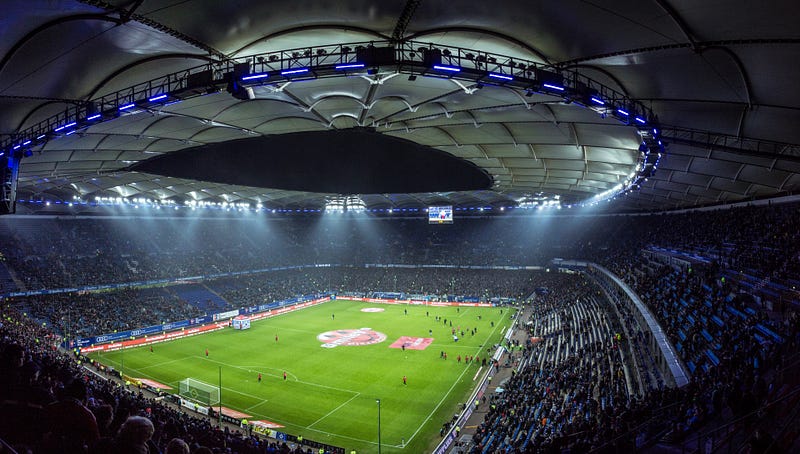
Photo by Mario Klassen on Unsplash

Crunchy snacks, drinks, comfortable couch, and the TV in front of me. It’s the penultimate matchday of Spanish La Liga, one of the best football leagues in the world. Real Madrid is going to play against Villareal. If Real wins it claims the championship. I’m going to relax and have fun, I don’t expect anything else. Especially I don’t expect to learn anything. And I’m so much wrong.

Power of a commentator

I’m lucky. This match is commentated by a passionate professional. He not only depicts what happens on the pitch, his narrating a story full of trivia. Imagine a fast-paced, box to box match. Finesse passes, furious attacks and Madrid scores a goal! The commentator is shouting “Golazo!!!”, which means “a great goal” in Spanish. Shortly, after that he adds:

Real is going to “cantar el alirón” tonight!!!

And the story begins

Photo by Christin Noelle on Unsplash

Now he has my full attention. I want to understand what’s the meaning of these words. The first part is nothing special. “cantar” is a verb that means to sing. So Madrid fans will sing some football chant when they win, it’s natural. However, “el alirón” is something different, the etymology of this word is mysterious and there is a couple of legends about it.

The main meaning of “el alirón” is to express joy or euphoria about accomplishing something. So football fans use it to sing about victorious moments. It’s like:

“Let’s proclaim that great victory happened!”

But what are these mysterious origins of the word?

They call it a mine!
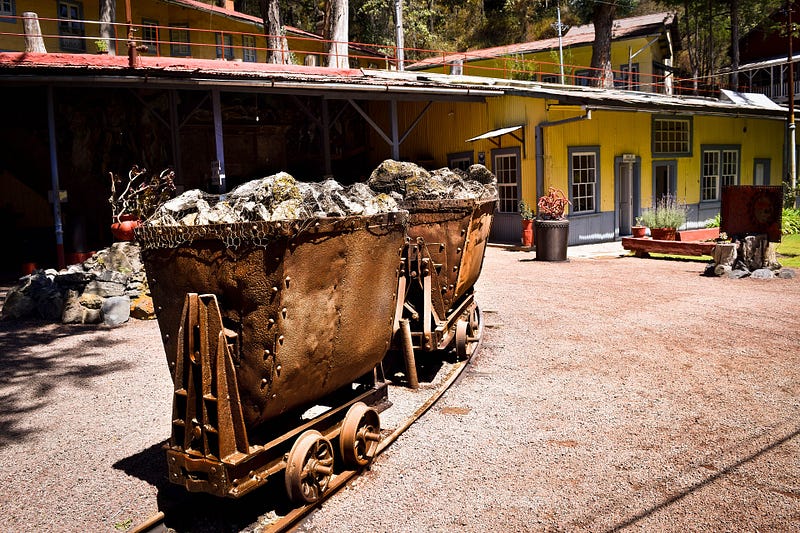
Image by mochilazocultural on Pixabay

Surprisingly, all traces us to the mine. Yes, the mine. Let’s get back to the 19th century to the north of Spain. We’re in the Basque Country. Its Biscay province is well known for its high-quality iron. The iron-mining industry is very profitable and it attracts the attention of foreigners.

That’s why some mines sold their iron to Englishman. And it seems that English buyers didn’t care about learning and using the Spanish language. According to the story [1], when Spanish miners found pure iron ore, their English partners put a sign on a mine’s doors:

“All iron”

And they paid double wages! Every time when this sign appeared, miners were extremely happy and were chanting:

“Alirón! Alirón! Alirón!”

They simply made their own word using the sign to celebrate this joyful moment.

Another variant of this story describes miners who used chalk to write “all iron” on the pure iron-ores. It also meant that they’ll get extra money from English buyers. So it was also a reason to celebrate and create a new word using the Spanish pronunciation of the English term.

Let’s stay in the Basque Country for a moment
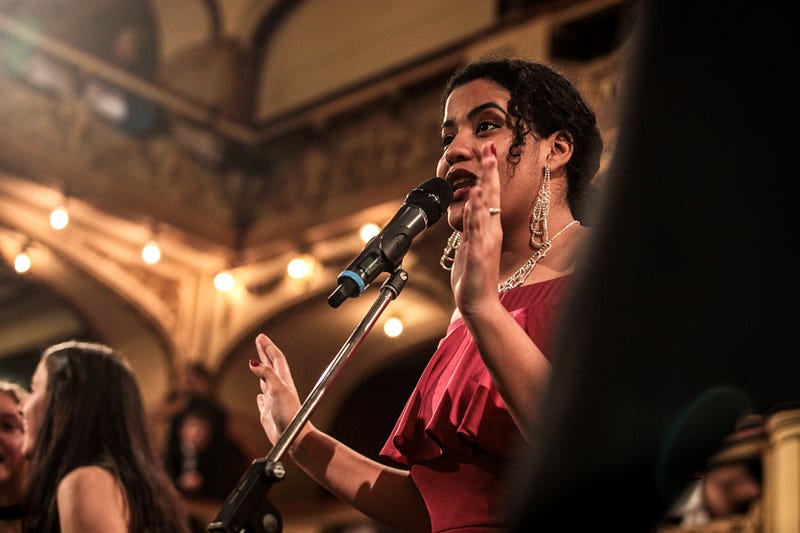
Photo by Jan Střecha on Unsplash

A different story explaining the origins of “alirón” is also related to the same north area of Spain. Around 1913 the Athletic Bilbao football club had a really good season. To celebrate it, the team together with fans were listing to the famous artist Teresita Zazá [2].

Teresita sings one of the hits of her times. The audience is euphoric about her performance. She feels their support, that’s true entertainment. To make it even more interactive the artist asks people to sing with her. The refrain is as follows:

“¡Alirón! ¡Alirón! ¡Pon, pon, pon, pon!”

The crowd goes wild and… creative! They sing together, however, they change the words:

“¡Alirón! ¡Alirón! ¡El Athletic campeón!”

That’s a great tribute to the Athletic team. The song stays with fans for a long time.

But wait, how “alirón” landed in the song? Probably, it was a word without much meaning. It just fit the rhythm of the music, but since then it’s associated with the victory.

Let’s check in the dictionary
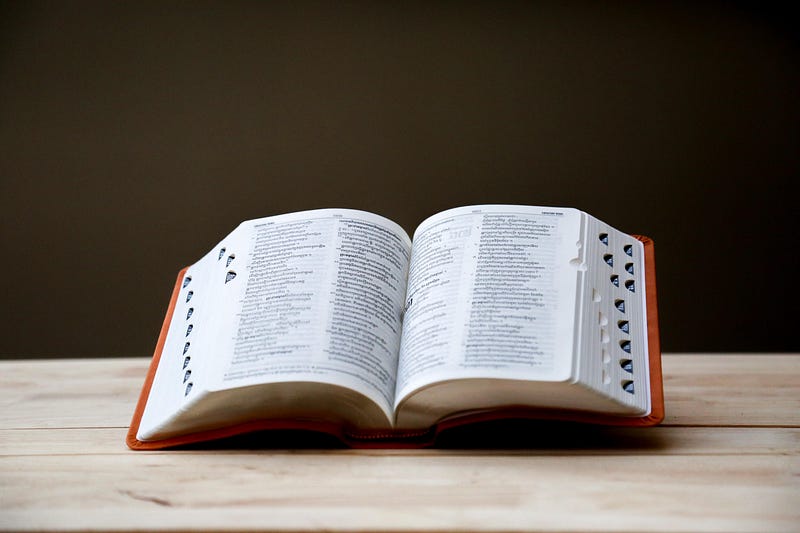
Photo by Pisit Heng on Unsplash

In the Spanish dictionary from 2001 [1], you could learn that “alirón” originates from the Arabic word “al’il‘lān” meaning “proclamation”. However, in the dictionary from 2004, it is stated that the origins of this word are unknown.

So are the legends about miners or stories about singers true? We can’t be sure. Maybe the word “alirón” evolved differently in different places? But we can be sure that it became a part of football chants and folklore.

Finally, I’m sure I learned a really interesting story while watching the football match. It’s about language, culture, and of course sport. As I wrote at the very beginning, I wasn’t expecting it while sitting on a couch and eating snacks, and I encourage you to seek for such unexpected stories and learn from them.

Sources:

  1. https://es.wikipedia.org/wiki/Alir%C3%B3n
  2. https://www.laliga.com/en-GB/news/cantar-el-aliron
History
Language
Learning
Culture
Sports
Recommended from ReadMedium