
What Can We Learn From Napoleon’s Quote About Good People’s Silence?
Life Lesson
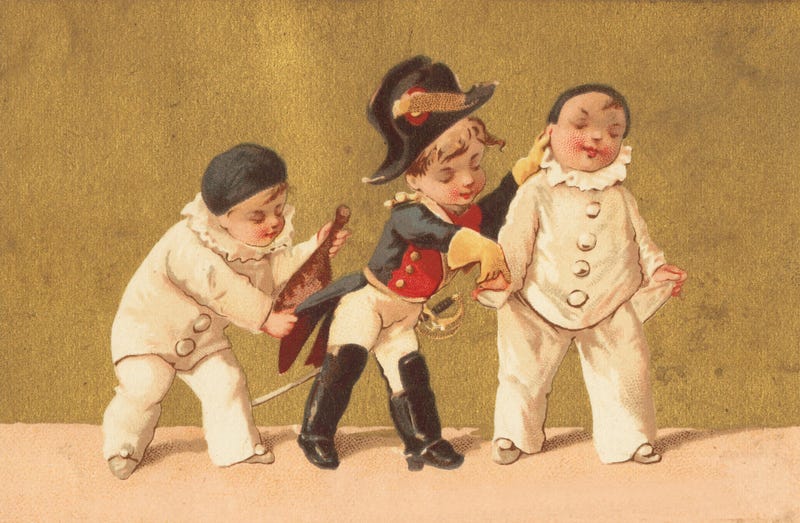
“The world suffers a lot. Not because of the violence of bad people. But because of the silence of the good people.” — Napoleon Bonaparte
In many cases, people sit back and decide not to say anything when something really needs to be said. This could be an idea, a suggestion, an observation, a criticism…but for some reason, they don’t want to speak up.
However, not speaking up sometimes has its consequences too, especially in cases where opinions influence actions and changes, and here is how remaining silent isn’t always the best idea.
1. Silence is sometimes considered as approval.
You may think that staying silent keeps you from being involved in any conflict, but quite the opposite. Silence is as much an active form of communication as talking. Whenever you are involved in a situation, people are aware of all the input and lack of it. If you disapprove and don’t say anything, it will not make you seem easy going. If the problem persists and you did nothing, people may consider it as enabling and think the issue is as much your fault as the person who actually caused the problem. You may destroy trust and create resentment. People rarely thank you for withholding information down the line.
2. The greater good should be the priority
We can believe most people are good-hearted by nature. And many stay silent because they don’t want to do any harm by offending or criticizing someone. However, when a person is headed down a dangerous path, it’s selfish to put your own need to be comfortable above the needs of others. Worse, by staying silent, you may be harming the very people you hope to help. In the worst-case scenario, if you speak up, someone may disagree, but at least the issue is at the forefront, and an active decision can be made. The best-case scenario is that everyone benefits and you are hailed as a powerful leader.
3. Demonstrate you are invested
Why are you in the conversation in the first place? Someone invited you into the dynamic. If you truly don’t have a stake, then find a better use of your time. But if you are there for a reason, you need to show your commitment to the process and the people involved by being active and vocal. Speaking up is an important form of honesty. Honesty actually builds trust, especially when combined with tact and empathy. Demonstrate that you will be truthful with people that you care about them, and that you give good advice.
4. No one else may know
You can’t assume the obvious is obvious. Your experience and knowledge have value in a given situation. No one else has your unique perspective. That doesn’t mean that everything in your brain is worth communicating, but with a little discretion and thought, you should be able to bring value in most situations. And your piece of the puzzle may be the most important finisher. You’re also not doing yourself any favours by not sharing your expertise. People don’t automatically recognize your skills, values, ambitions, and desires when you are quiet. If you wait around for people to notice or read your mind, you will likely end up on many paths that are not of your own choosing. You may end up with projects you don’t want, missing promotions, or accepting tasks you don’t have time or ability to complete. Gather up your confidence and share.
5. You may not be alone in your thinking
Your insightful observations and conclusions may have surfaced in the minds of others. Others may share your thoughts and opinions but maybe also unwilling to speak up. By speaking your mind, you’d encourage them to voice their opinions as well. If everyone holds back, the bus may silently head over a cliff.
In brief, we should consider when and when not to be silent because our voices can influence a change and can save lives. The world is what it is today because some people stood up, spoke, and took action. Next time you’re asked to contribute in a discussion, or you will like to stand up for someone, don’t hesitate.


