
What Can Leaders Learn from Putin’s Failures?
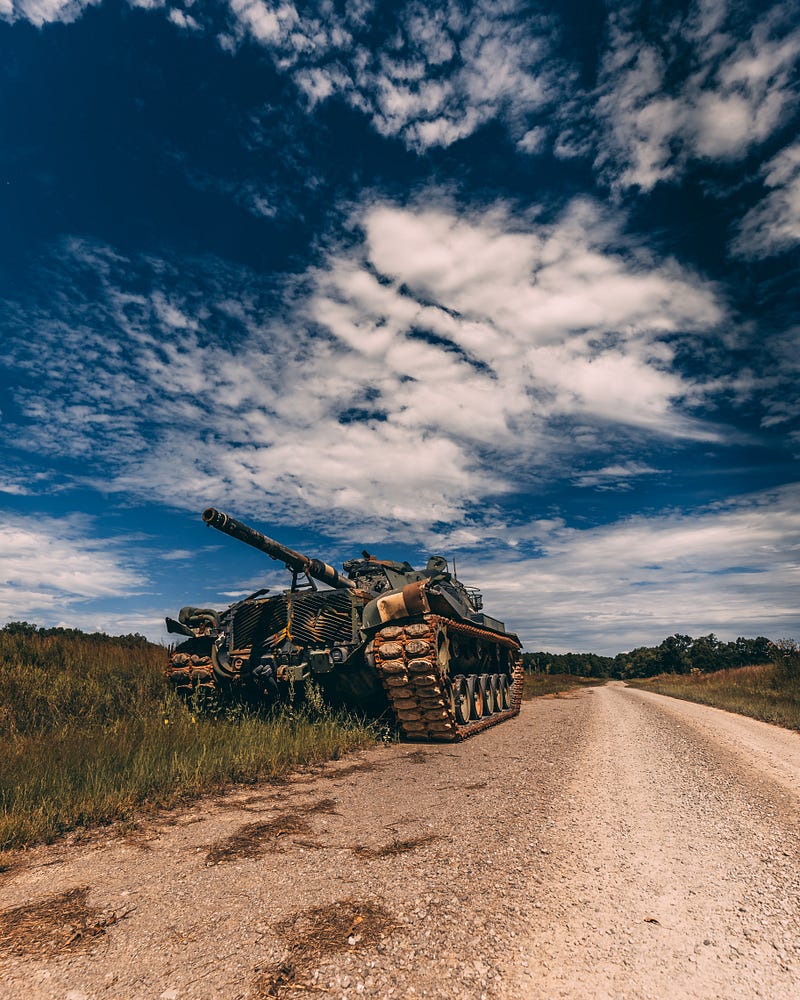
We have all watched in recent weeks as Russia brings a terror campaign on Ukraine. Putin’s invasion has drawn the attention of almost the entire world. What he expected to be a swift and simplistic takeover has become drawn out and complicated. HIs basic leadership failures can be lessons not only to political leaders but to leaders of all organizations.
- Read the Room
First, Putin underestimated the world's response to his invasion. He assumed no countries would intervene, and his reputation would allow him to walk away victorious in a matter of days. What he quickly learned was President Zelensky’s political savvy would be able to draw the entire world into the conflict.
In the past couple of years, the world came together to defeat an invisible enemy, covid-19. After such an experience, there is increasingly less tolerance for global conflict. All countries are recognizing the need to collaborate in our changing world. In the event of another pandemic, countries that are adversaries may not have access to life-saving vaccines or treatments. Peoples and leaders now more fully appreciate the need for global peace and stability.
Even corporate leaders must be able to read the room. They need to understand their market, competitors, and the cultural tone of the day. Consider all of the pushback on corporate America in recent years when companies have refused to take a stance on certain societal issues. Any company still doing business in Russia, for instance, faces large boycotting across the globe.
2. Accept diverse views
One of Putin’s biggest failures is not maintaining a diverse circle of advisors. It is well-known that he has created a climate in Russia of fear and retribution for alternative opinions. His political opposition, Nalvany, was both poisoned and imprisoned.
In the case of Ukraine, he is clearly relying mostly on information that supports his views or desires. At first, perhaps the world bought into Putin’s own views of the mighty Russian military conquering small Ukraine. What everyone learned, including Putin, was that Ukraine was far more prepared for battle than imagined.
When making decisions, leaders must not focus solely on their own interests or desires. Having a limited vision will only hurt the organization in the long run. Missteps are far more common if leaders do not allow a diverse set of perspectives and ideas to join the conversation.
3. Reassess and pivot
Putin refuses to reassess his invasion. He continues to bombard Ukraine with bombing and abhorrent tactics despite world opinion. The United States believes that he has committed war crimes. Russia has been unable to capture the capital city, Kyiv, and faces fierce opposition as they try to capture other Ukrainian cities. Russian convoys have been halted due to a lack of gas and provisions needed for moving forward. Yet, Putin remains resolved.
Leaders who refuse to reassess strategic plans, policies, or even philosophies will surely fail like Putin. Those who remain stuck in their own ego and ideologies will not be able to move their organizations forward.
Brands may need to change, products may need to transform, and company policies may need to adjust. Look at how workers are changing the world of work in this post-pandemic world. Companies are struggling to find high-quality candidates because workers want to work from home, have better benefits, and can create their own income online. In today’s world, a flexible mindset is necessary for leadership survival.
4. Recognize old strategies are not for the new world
Putin seems to be captivated by the notion of building back the USSR. This is an idea that failed decades ago. He cannot rekindle a philosophy that was unsustainable.
Leaders, too, must recognize strategies and plans from the old world will not work in 2022. Many companies in the past couple of decades have refused to transform to meet the demands of a new world. Kodak, for example, was a global powerhouse. Yet, leadership lacked the wherewithal to recognize their old strategies were not going to survive this new age of technology.
5. Know your market and competitors
Putin clearly was unaware of his enemy’s capabilities. Ukrainians stood together from the start to defeat the Kremlin’s assault. Citizens prepared by learning how to make Molotov cocktails. Old women confronted Russian soldiers on the streets with sunflower seeds. Putin’s continued assault only stiffened Ukraine’s resolve.
Leaders of organizations must clearly understand their market as well as their competition. Maintaining stagnant brands and utilizing antiquated tactics will limit abilities. We saw this when newspapers refused to transform into digital brands of information. Many lost readerships, became insignificant or crumbled.
Our world is rapidly changing. In order to be effective, leaders must be adept at understanding and appreciating society’s climate. Old philosophies and tactics are unsustainable.
Understanding Putin’s failures can help lead us to success.


