
LGBTQIA+ CHRONICLES
What Being Disowned By My Family On Christmas Day Taught Me About Love
My experience of homophobia and familial loss.

My nephew called me the other day and I didn’t recognise his voice because I hadn’t seen or spoken to him since I was disowned by my family last year.
I considered writing a more artistic (read: flowery) intro to this article as a means of gently easing you into this element of my life story.
Something about cutting right to the chase seemed aggressive and overly hasty — as if you needed a softer and more gradual introduction to a sensitive topic like this.
But the truth is: I was disowned by my family on Christmas Day.
Reason being: Their homophobia and my gayness not quite vibing, basically.
If you’ve read any of my other articles, my homosexuality won’t come as a surprise to you. I make no secret of it — better yet, I focus a lot of my work around the topic of being gay, in hopes of raising awareness of the hardships faced by many LGBTQ+ people due to their sexual orientation or gender identity.
Because, as beautiful and liberating as it is to live authentically and love who you want, we often experience prejudice, violence, exclusion, and derision — all for having the audacity to exist outside the parameters of the heteronormative spectrum.
It’s devastating to face hostility and have your humanity invalidated because your sexual orientation places you on the other side of an invisible frontier.
It’s tough to be marginalised. It’s scary and isolating to find yourself forced to the fringes of society, especially when you once enjoyed the safety, warmth and community at the heart of it. And it’s even more painful when the people who inflict this kind of suffering upon you are your own family.
So I wanted to share my experience of being disowned by mine.
I’m hoping that doing so can provide comfort to anyone who has gone through or is currently going through the same thing, or insight to those curious about the pitfalls of being queer in a homophobic world.
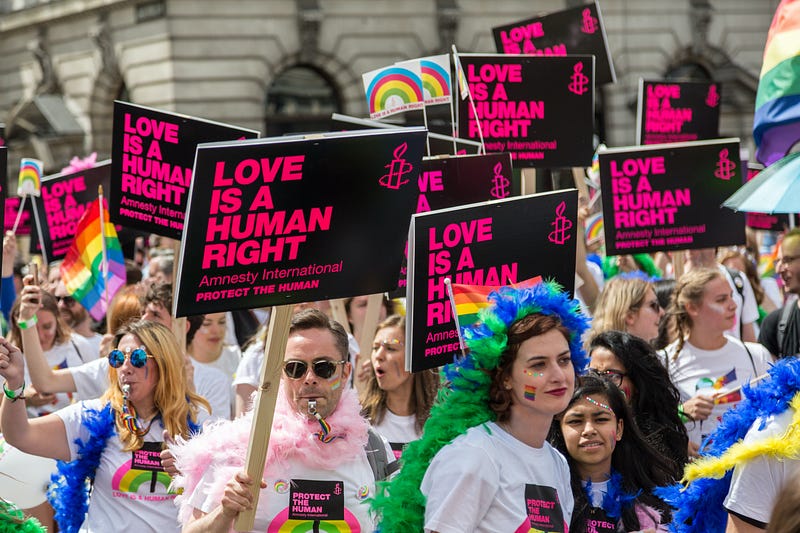
I grew up in a relatively normal middle-class household. Considered a “wonderful surprise” since I was born 8 years after my older brother, I was the youngest child and only girl. My parents were married for almost 4 decades until they finally separated in 2021, thus marking our first family division. The primary fracture in the foundation of our kinship.
I knew my brother was homophobic, which is why I didn’t even bother telling him I was gay. I just let the grapevine take care of that.
He used to make unkind jokes about some of his classmates; a typical “bro” who used more effeminate boys as a verbal punching bag, probably to mask his own insecurities after being relentlessly bullied throughout secondary school. Without speaking ill of anybody, let’s just say he and his equally-prejudiced wife are the ideal couple — perfectly yoked across the board.
When their first son was born, I was 18. He was the apple of my eye.
I moved into their spare room to assist them with childcare since my university was nearby. I fed him, bathed him, played with him and got up at all hours of the night with him while his parents clung to their newly-rationed sleep schedule.
The second child came along three years later. I was thrilled, settling comfortably into my role as the cool aunt who always had lollipops in her handbag. I was present for their first steps, first words, and their first days of school.
We used to watch Peppa Pig together, singing along to the theme song as we split our attention between the TV and our colouring books. We would go digging for earthworms and observe sheep in the surrounding fields.
Despite moving abroad for work, I saw them every chance I got when I would come home to visit the family.
Or rather, back when I had a family to visit.
Since I don’t plan on having children of my own, having nephews served as a substitute for that — a filler for the infant-shaped void that everyone assured me was going to overshadow my barren adult life. To be honest, I considered the chance to enjoy time with the kids and then be able to return them to their rightful owners at the end of the day a worthwhile trade-off.
The overwhelming love I have for those boys feels like it could burst out of my chest at any moment. I would lay down my life for them without even requiring the capacity to think. It’s like the intensity of such emotion is capable of killing me whilst also being the only thing keeping me alive.
Yet now, at 11 and 14 years old, they are strangers to me.
When my oldest nephew called the other day, I didn’t recognise his recently-broken voice. This low-pitched, modulated drawl belonged to a tall, strapping young man with brawn and the makings of a moustache, not the exuberant and fresh-faced angel boy I used to know.
It was only when he uttered: “Hi, Auntie Nattie…” that I realised who was calling.
I hadn’t seen or spoken to either of my nephews since my brother and his wife told me on Christmas morning that they didn’t want their children exposed to gayness; that I was entitled to live the life I wanted, however, my perversion would mean the end of my relationship with them and their children effective immediately. They also lamented my breaking up the family and forever ruining the memory of Christmas with my selfish, unnatural ways.
I didn’t get the chance to say goodbye to my boys.
I wasn’t able to enjoy one last hug or high-five. They wouldn’t even let me give them their gifts.
I stayed in my home alone on Christmas Day, feebly attempting to gather the shards of my broken heart that were scattered all around me.
I didn’t receive a customary voice recording of them singing an out-of-tune “Happy Birthday” on April 5th this year, and I’m sure I won’t be invited to celebrate theirs. We didn’t go for ice creams in the park on their first day of summer holiday nor have we enjoyed doing arts and crafts together as part of their school projects.
I suppose this is my new normal. This slightly greyed and sorry version of the olden days before they were born. It stings a bit, but each day is a little easier than the last. Aside from having a wonderful, supportive father, I’m now a lone ranger. A lighthouse out in a choppy sea.
As pitiful as the circumstances are, this experience has far from broken me. While it was a harsh and gutting upheaval in my life, it has definitely inspired a positive change in my self-acceptance. I realised just how good it feels to ultimately be true to yourself, regardless of what impact that might have on others.
The years I spent in the closet have shaped me into someone who values authenticity over anything else, even when conforming to the status quo seems like the only way to keep the peace.
I don’t seek approval from the outside anymore. The old me was a slave to acceptance from others, and I was miserable because I had it — I just couldn’t accept myself for who I really was. As controversial as it may sound, I couldn’t give a shit about never seeing my brother and sister-in-law again. I don’t doubt that they loved me once, but if that love was hinged on my being straight then I guess it’s only natural for us to part ways now that we’ve all discovered I’m not.
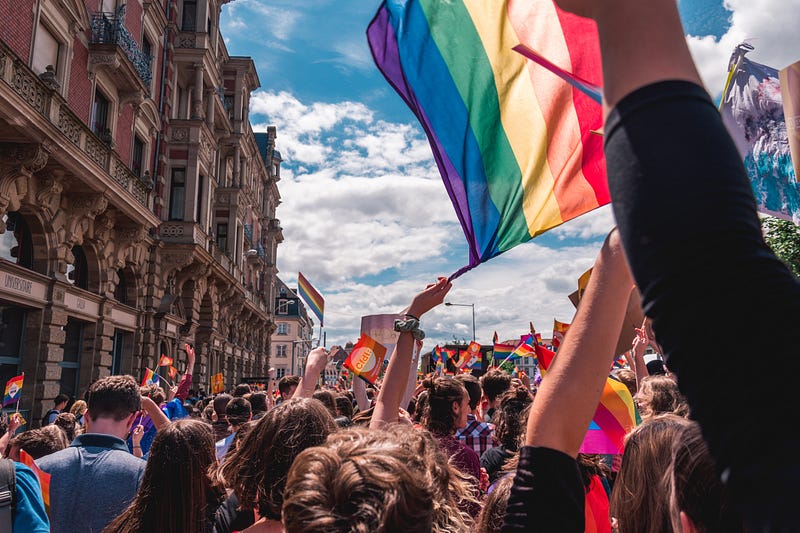
Being disowned has taught me three valuable lessons about love:
- Real love should be multi-dimensional — I loved my brother as a brother. But I didn’t love him as a friend, confidant or role model because, aside from being genetically linked, we fundamentally don’t connect as people. We have totally opposing beliefs, morals, and principles and I have always found him difficult to relate to. Attachment does not equal love.
- Self-love, in instances like these, is paramount. When your confidence is wounded or you find yourself rejected, this is where it really pays to love yourself because that love will be there to bolster you when the rest comes crashing down. My love for myself kept me afloat when I lost my family because it reminded me constantly that who I am is enough, and that despite my having lost everyone except my dad, I don’t actually need anyone except myself.
- Love should not be contingent on certain conditions. If someone loves you as long as you lead a certain lifestyle, that love is baseless and conditional. While healthy love should come with reasonable conditions, it shouldn’t come at the expense of your happiness. Expecting someone to sacrifice their one shot at life to appease your ideals is an ask bigger than most are justified in making. The right people will love you just because you’re lovable.
This is the very reason many LGBTQ+ people are fearful of coming out to our families. So many of us worry that their acceptance is contingent on our meeting certain criteria, to the point where we stay trapped in the closet to avoid rocking the boat or being disenfranchised.
When things like this happen in our lives, it’s important to be reminded that we’re not alone and that even if no one around us can sympathise, there’s at least one person a little further afield who knows exactly how we feel. And for anyone who needs it, I’m happy to be that person.
I’m hoping that I’ll hear from my nephews once they’re old enough to gain an independent mind. I’m hoping that they won’t forget me, or blame themselves or even me for the deafening silence that hangs between us.
Until the day we see each other again, I’ll be waiting patiently.
And I will always keep lollipops in my handbag, just in case.
Natalie S. Ohio is a British-Nigerian LGBTQ writer who enjoys writing about the queer experience. For more content like this, check out her other LGBTQ+ articles here!
Thank you very much for reading! If you have any questions or comments, please feel free to leave them below.
If you enjoyed this read and are feeling generous, please consider buying me a coffee as a token of your appreciation. I will send you positive vibes with every single sip. ☕🌸


