

What Being Called “White” In West Africa Taught Me
I am white and this is a part of my identity which I need to see and acknowledge.
In the summer of 2017, I left the United States to begin a two-year stint as a Peace Corps Volunteer in the West African country of Guinea. Before this point in my life, I had only ever been the single white person in the room a handful of times and I always knew that leaving that space would result in me being surrounded by a majority of other white people.
Throughout my entire existence, I saw my own race being reflected back at me by those who were around me. Whenever racial identities were brought up, it was always explained as something that other people had and not something I or my white family and friends also had. These conditions taught me to believe that white skin and typical white features are “normal” and default rather than different from the majority of the world’s population.
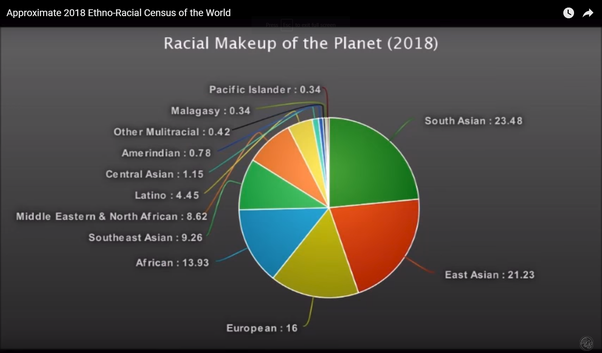
This false perception was challenged once I began living as the only white person in an entirely Black community. Entering into this community not only challenged my idea of “normal” as everyone I came to know around me was Black, but it also interrupted the “normal” that they had all known their entire lives. Their default had been Black skin and so seeing someone with white skin would draw their attention.
Once my white skin interrupted their “normal”, of course, many people would choose to speak about me just as anyone would about something strange that passed by during their day. They would quickly identify me in a number of ways, “toubabou” or “fote” or “le blanc” in reference to my skin color as this was the most glaring difference that separated us on a surface level.
These references to my skin color often did not sit well with me. Being called “white” was a direct challenge to the idea that I, a white person, am the default.
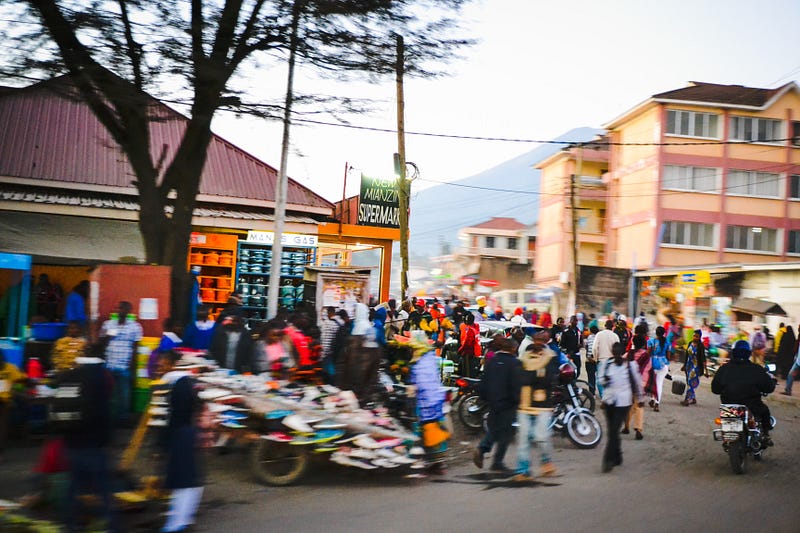
For the majority of my stay living in Guinea, I spent time and energy getting upset at the fact that my skin color was being pointed out. I heard the words and felt that they were an attack rather than a description. In reality, there was absolutely nothing malicious about how the community around me was referring to me. I was just uncomfortable with the fact I, too, have a racial identity that is a part of me and impacts how others might see or treat me.
Coming to terms with the fact that I have a racial identity is not something that should have taken me 23 years of life to acknowledge. It shouldn’t have taken living in a majority Black country and being identified as “white” for me to realize that my skin color is not the default.


