What are the real causes of clinical depression and suicide?

Johann Hari suffered from depression since he was a child. The book “Lost Connections” is a crucial discussion about misleading science and failed mental health therapy. However, Hari’s bestseller doesn’t uncover the real causes of clinical depression. In general, failed relationships, disconnection from friends and family will briefly change your mood. For decades depression was regarded to be a psychological (mental) illness rather than a physical one seeHari’s view https://www.huffingtonpost.com/e...
The truth is that a brain dysfunction is at the origin of major depression. This brain “injury” is not necessarily caused by a blow to the head. Many causes can lead to brain dysfunctions and trigger mental health problems. A genetic predisposition
in addition to an infection or autoimmune disease
can harm your brain and make you feel depressed. Biophysical interactions are continuously maintained under normal conditions in the brain. At least three regulatory interconnected systems are present at the neuronal level and extend to the entire brain scale and include molecular processing, neurotransmitters and electrical interactions http://neuroelectrodynamics.blogspot.com/p/computing-by-interaction.html These regulatory interconnected systems become dysfunctional in major depressive disorders and other mental health dysfunctions.
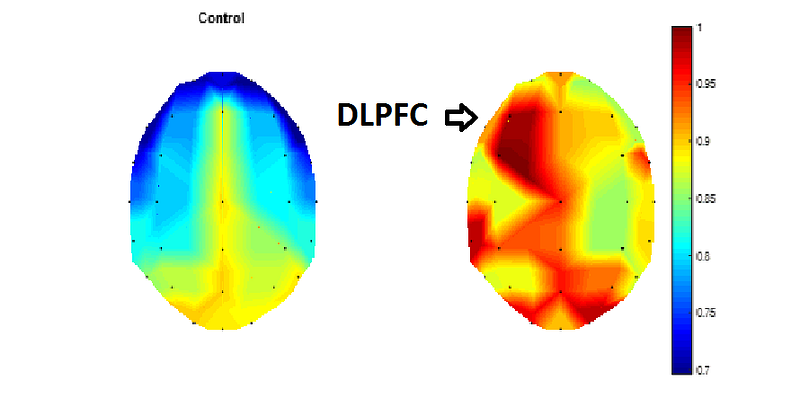
Conventional MRI, fMRI, or CT scans are unable to detect small structural changes that occur at molecular level, therefore we’ve developed a novel cutting edge technology to reveal the location of such brain dysfunctions that are at the origins of mental or behavioral disorders.
The brain dysfunction is generated by structural changes that occur at a molecular level in neurons, synapses or glial cells . Such brain dysfunctions can have multiple causes (e.g. after a traumatic event, determined by genetic predispositions, diet, hormones, etc.). The alteration of neurotransmitter levels (e.g. chemical imbalance) is related to structural and molecular changes. The “lost connections” are inside the brain, and they behave like a real brain injury and everyone can “feel” it https://en.wikipedia.org/wiki/Phineas_Gage .
Mental illness is real. Over 60% of patients do not respond to medication. That’s the only disease that can make you deny its own existence. The extent of the brain dysfunction can be localized using EEG. Please read
https://link.medium.com/8IWlKKrMs0
Adequate, personalized therapy can be performed to remove such “injuries” fast.
Importantly, if these brain dysfunctions are located within or near “suicidal hubs” you’ll experience suicidal thoughts which puts you at higher suicide risk.
It doesn’t matter if you live in Toronto, Hong Kong, or you move to sunny Los Angeles, it doesn’t matter if you are Italian, French or American, if you are black or white, rich or poor, doesn’t matter what age you are — if your brain shows such brain dysfunctions you’ll get depressed and even commit suicide. You’ll need help fast, since neither the food nor the Californian sunlight will heal such brain dysfunctions.
Questions and Answers
1. Are you trying to say that a brain dysfunction that we are not able to detect with conventional techniques is at the origins of mental illness and suicide?
Correct, and such dysfunctions may not necessarily occur after a traumatic brain injury. Our brain maps show the presence of brain dysfunctions in patients with major depression, ADD/ADHD, anxiety, epilepsy, chronic pain, in case of memory issues and more. The presence of brain “injury” completely changes your thinking, feeling and behavioral patterns. In addition, you may be unaware of your own mental health condition.
Unfortunately, the discussion on mental health is full of misconceptions, negative stereotypes and more often there is stigma and discrimination.
Importantly, humans are good and kind by nature, they can badly hurt themselves and others only if their brain is injured.
2. How do I know that a certain therapy works?
The presence of the brain dysfunction can be revealed before therapy and any efficient therapy should remove it. The therapy is successful if the brain maps do not show the presence of brain dysfunctions , see https://www.youtube.com/watch?v=tqhU-d4Z8nI
3. How long does it take to see if a certain therapy works?
If the location of brain injury is targeted the first signs of improvement can be observed after the first week of therapy. In case of drug therapy it may take longer time.
4. You are emphasizing biological and genetic factors and ignore environmental factors
I’m not going to lie to you, while environmental factors (trauma, stress, diet, abuse) may contribute to depression, genetic factors are extremely important in shaping the presence of brain dysfunctions that lead to depression
#suicideprevention #suicide #suicideawareness #mentalhealth #AddBrain #doctor #depression #brain #depression #suicideprevention #humans #healing #sleep #mentalhealth #mentalhealthjourney #mentalhealthrecovery #mentalhealthmatters #mentalhealthawareness #mentalwellness #mentalillness #recovery #recoveryispossible #recoveryisworthit #endthestigma #mentalhealthwarrior #growthroughwhatyougothrough #bpd #depression #anxiety #anxietyrelief #copingmechanisms #bipolardisorder #positivity #justtalkaboutit #selflove #selfcare #mentalhealthblog #mentalhealthblogger #anxiety


