
What are the causes of severe hypoglycemic? How do doctors treat it?
I personally experienced this. It could have been fatal if my friend had not grabbed me. My head would have struck my office table.
Severe hypoglycemia, or low blood sugar, can have various causes. Here are some common causes:
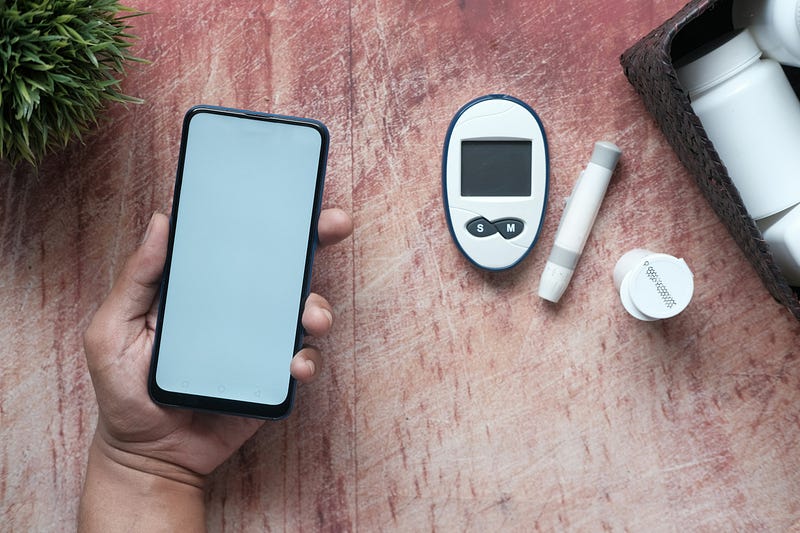
1. Medications: Taking too much insulin or certain diabetes medications, such as sulfonylureas, can cause blood sugar levels to drop too low.
2. Delayed or missed meals: Not eating on time or skipping meals can lead to low blood sugar levels, especially if you’re taking medication that lowers blood sugar.
3. Excessive physical activity: Engaging in intense exercise or physical activity without adjusting your insulin or food intake can cause a drop in blood sugar levels.
4. Alcohol consumption: Drinking alcohol without eating enough food or excessive alcohol consumption can lead to hypoglycemia.
5. Medical conditions: Certain medical conditions, such as adrenal or pituitary gland disorders, liver disease, or kidney failure, can affect blood sugar regulation and potentially cause severe hypoglycemia.
The treatment for severe hypoglycemia may vary depending on the situation and the individual’s condition. Here are some general approaches:
1. Immediate treatment: If someone is experiencing severe hypoglycemia and is conscious, providing them with a fast-acting source of glucose, such as fruit juice, regular soda, glucose gel, or glucose tablets, can help raise their blood sugar levels quickly.
2. Glucagon injection: If the person is unconscious or unable to swallow, a glucagon injection may be administered. Glucagon is a hormone that raises blood sugar levels.
3. Hospitalization: In some cases, severe hypoglycemia may require hospitalization for close monitoring and treatment. This is particularly true if the person has experienced a prolonged or recurrent episode, or if there are underlying medical conditions involved.
4. Adjusting medication and lifestyle: After a severe hypoglycemic episode, it is important to work with a healthcare provider to assess the underlying causes and make necessary adjustments to medication dosages, meal planning, and physical activity levels to prevent future episodes.
It is crucial for individuals with diabetes to have a personalized treatment plan and regular follow-up with their healthcare provider to manage their blood sugar levels effectively and minimize the risk of severe hypoglycemia.