What are telomeres?
And why are they so important in the aging process?

In the 1930s, as scientists began to deeply research the aging process, something began to puzzle them. For some reason, there appeared to be these useless sequences of DNA in cells that had long stretches of the sequence TTAGGG. These parts of DNA would often be long and consistently repeated themselves, despite having no perceived value to the researchers. For the next forty years, these “empty” segments of DNA continued to puzzle scientists. That all changed when a discovery was made by UCSF’s very own Elizabeth Blackburn in 1975. While working as a post-doc at Yale University, she uncovered that as telomeres shortened cells would begin to exhibit visible signs of aging. Yet, how could this be?
As we age, many parts of our body begin to lose their original functional capacity. Telomeres act as one of the many protective mechanisms against this. They specifically prevent DNA damage from taking place inside of our cells by having no distinct genetic value. As such, telomeres are biologically designed to act as buffers from DNA damage within cells.
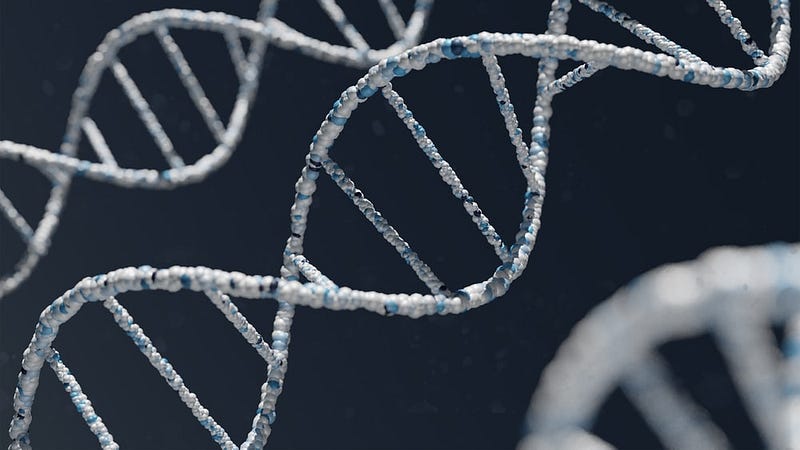
Over our lifespan, the length of our telomeres will naturally shorten as a result of them incurring damage. This shortening has been seriously linked to an acceleration of the aging process. A study published in Nature by scientists at Spain’s National Cancer Center found that mice with shortened telomeres live markedly smaller lifespans than controls. Furthermore, they discovered for the first time that tiny telomeres can induce an increased level of Mechanistic Target of Rapamycin Complex 1/2 activity (MTOR).
MTOR is a serine-threonine protein kinase pathway that regulates cell aging speed, proliferation, and growth. With that in mind, that study published by Spanish researchers revealed for the first time ever that short telomere length can be biologically compensated for by increased MTOR activity, yet in a manner that exacerbates the aging process. This is consistent with my own view of aging, which is that the body takes increased damage from having to work ‘overtime’ to maintain homeostasis caused by the accumulation of dysfunction over an organism’s lifespan.
How do shortened telomeres increase aging?
As telomeres begin to shorten through natural wear and tear or from cell division, a cascade of biochemical activity takes place. This activity takes place in response to the DNA damage that results from telomere shortening. When our telomeres grow smaller, they naturally leave our cells more vulnerable to DNA destruction. As our DNA takes more and more damage, it can accrue mutations that could be dangerous if left unchecked. For example, some types of DNA damage could increase the risk of cancer if a cell is allowed to reproduce with them. In order to prevent damaged cells from reproducing and to reduce the organism from having an increased risk of death, specific cell signaling takes place. This signaling happens when the maximum threshold of DNA damage is reached within cells and this process tells these damaged cells in an organism to either die through a process called apoptosis or to become incapable of reproduction through senescence.
Ultimately, the accumulation of senescent cells (which are also called zombie cells) can contribute to a strong increase in inflammation. This type of inflammation, dubbed ‘inflammaging’ by some scientists, can increase telomere shortening and significantly accelerates aging speed.
Furthermore, small telomere-induced programmed cell death (or apoptosis) must be compensated for by another cell reproducing to take the dead one’s functions. Over time, the act of programmed cell death often goes haywire, which in turn kills cells that should not have died in the first place, or results in cells that should die being able to survive and reproduce with dangerous mutations for extended periods of time.
In sum, telomeres are critical to regulating the speed of aging. As their length decreases, compensatory activity such as induction of cell senescence, programmed cell death, or activation of MTOR takes place. In tandem, these activities accelerate the aging of organisms and contribute to a decreased lifespan. As such, by maintaining longer telomeres, organisms can markedly increase not only their health span but also their lifespan.