
What are some easy tricks to losing weight
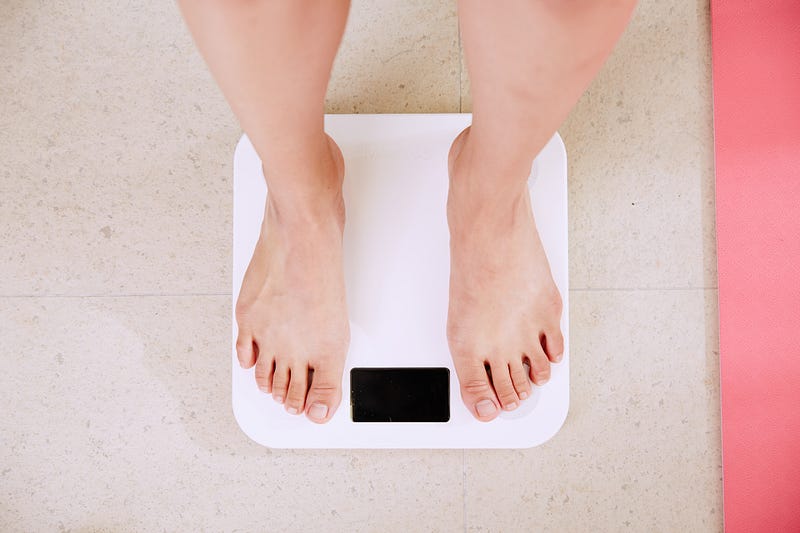
There are several simple weight-loss methods available. ‘moving more or doing some simple work outs, and cutting calories are some of the simplest ways to lose weight.’ Is that statement true? Would you go for that if you are trying to lose weight? I bet you would be wasting your precious time because they are not so effective. Although I am aware that the majority of you would disagree, scientific study shows that the idea is incorrect and is not based on any study.
Avoiding the following is one of the finest weight-loss strategies:
1. Eating late at night 2. too early in the morning 3. high-calorie items that raise insulin levels are all examples of poor eating habits ( ultra processed foods) 4. Lack of fluids (Drinking plenty of fluid is beneficial as a medium for metabolism) 5. Neglecting yourself from taking pleasure in your meal. 6. Constantly eating
1. To begin, assess your existing diet and make the required adjustments. Making sure you are eating the correct stuff is one of the most vital things you can do for your health. It’s crucial to examine your diet and make sure you are adhering to a healthy eating plan when it comes to weight reduction.
You should evaluate your existing diet as one of your initial steps. This implies that you must ascertain your everyday dietary habits. You may start altering your diet after you have a clear understanding of what you are consuming.
A balanced diet is one of the finest strategies to ensure that your diet is healthy. A balanced diet, meanwhile, might not have much of an effect on weight loss. That is why some diet plans advise identifying the cause of weight gain before returning to a balanced diet. This indicates that for a balanced diet, you should consume more fruits, vegetables, protein, and healthy fats. But when starting a diet to lose weight, cut out practically all carbohydrates, then subsequently switch back to a balanced diet. You should avoid consuming foods that might cause your blood sugar levels to jump too high since doing so triggers the production of insulin, which prevents fat burning.
You’ll be able to see where you are putting your energy and which meals are supporting your weight loss efforts thanks to this. Finally, depending on the findings of your investigation, you may think about changing your diet. You might want to modify your consumption of certain items, occasionally just get rid of them, or attempt a new strategy for weight loss if you discover that you are using more energy on meals that are not helping you lose weight.
2. Engage in regular exercise to maintain a healthy metabolism. Although it won’t cause you to lose weight, exercise is a terrific method to burn calories. Unless you do those lengthy, hefty workouts. However, if you want to lose weight, you must follow your healthy advised diet, engage in regular exercise, and eat less frequently. There may not be much weight loss if you are only exercising often without also following a diet. It won’t be possible for you to burn enough calories to lose weight. Studies show that exercise has many additional advantages but nothing in the way of weight loss.
Therefore, how frequently should you work out to reduce weight?
It’s recommended that you work out at least three times every week. But if you’re just getting started, you might want to start with twice weekly. You can increase the frequency of your workouts as you grow more fit.
Keep in mind that burning more calories than you consume is the key to losing weight. So a healthy strategy to losing weight is to combine a decent diet, time-restricted eating, and exercise.
3. To keep you feeling full, make sure you’re consuming enough protein and fiber. A good mix of protein and fiber should be included in your meals if you want to feel fuller and satisfied after eating. Fiber serves to encourage a sensation of fullness, while protein helps to slow down the pace at which food leaves your stomach. These nutrients work as a team to help you feel your best, prevent overeating, and eat less frequently.
There are no strict guidelines for how much protein and fiber you should consume. Just be sure to include a reliable source of each in each meal. Beans, legumes, nuts, seeds, and whole grains are excellent sources of protein and fiber. So the following time, remember to
4. To limit your intake of high-calorie meals, avoid eating late at night. It’s OK to skip meals or go for extended periods without eating if you’re attempting to reduce weight. But be careful not to overachieve. Personally, I become older more quickly because you do. If you’re trying to undertake an intermittent fast, you might be unsure whether eating after midnight is permitted. We observe a 24-hour fast before breaking it in the morning.
The quick answer is that if you’re attempting to conduct intermittent fasting, it’s typically not advised to eat late at night. This is due to the fact that eating late at night might make it more difficult to fast for a prolonged length of time. Widespread research on fasting supports the assumption that it gives you plenty of time to burn fat. Longer fasts make it simple to burn fat since the body consumes all the glucose and glycogen reserves for energy and quickly adjusts to additional protein before turning to fat.
Your body needs to work harder to digest food when you eat late at night. This may make you feel more exhausted and make it more difficult to fast.
5. To keep your body hydrated, try to drink lots of water. When it comes to losing weight, there are many fast remedies available. But drinking lots of water is one of the most crucial things you can do for your health and your weight. Water is highly valued because of its role in metabolism. Water is capable of many things, though.
Our bodies require water to function correctly. It aids in the removal of pollutants, the delivery of nutrients to our cells, and the maintenance of a healthy metabolism. Our bodies don’t work as effectively when we’re dehydrated, and weight loss may stall as a result. This is bad for your body, especially if you’re trying to lose weight.
So, how much water should you consume daily to maintain good health and lose weight? It is advised to follow the 8x8 rule (8 glasses of 8 ounces of water daily).
In conclusion allow yourself to know more about the tricks and tips by clicking the follow button.


