
What Are Charles III’s Duties and Powers as the New King?
What a King with no power does all day
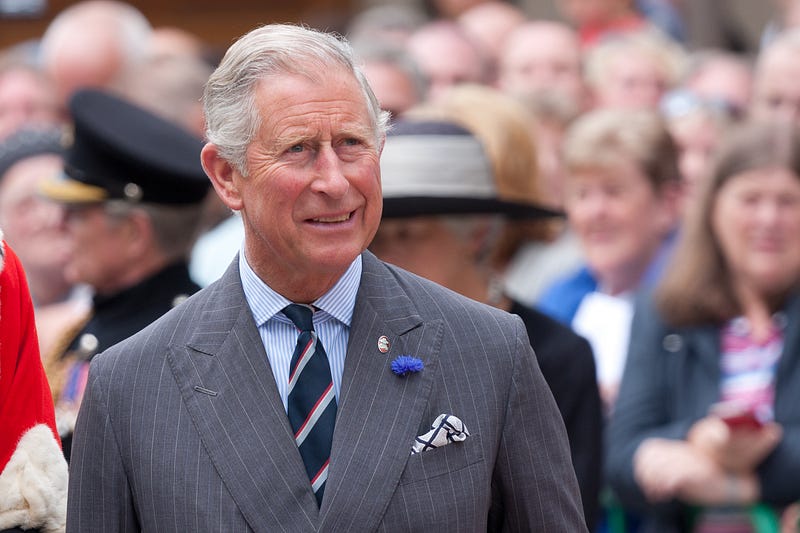
Prince Charles became King Charles III the moment Queen Elizabeth passed away. The new King’s coronation won’t occur until months after Queen Elizabeth’s funeral. Nevertheless, King Charles immediately took on the monarch’s responsibilities following his mother’s death.
So Charles has a new job. And he’s waited a long time for his promotion. Indeed, Charles has been the longest-serving heir apparent in British history. Furthermore, at 73, Charles is the oldest person to assume the throne.
But what does a King of the United Kingdom do with their time? Does he have any power? Here’s a summarized job description for the King of the United Kingdom.
Remain Politically Neutral
The United Kingdom is a constitutional monarchy. That means that, though King Charles is the head of state, his government makes all the decisions. In effect, the King delegates the running of the country to the government. The only way that arrangement can work is for the reigning King or Queen to remain politically neutral.
Approve New Laws
No act of parliament in the UK can come into force until it has received royal assent. In theory, King Charles can refuse to consent to a bill. However, the last time a monarch refused to pass a bill was 1707. Still, the reigning monarch can, and does, sometimes suggest amendments to bills.
Commander in Chief
King Charles is now the commander in chief of all British armed forces. However, he delegates the authority to issue orders to his armed forces to his government. Nevertheless, soldiers, sailors, and air force personnel swear allegiance to the crown, not the country, Prime Minister, or the government. One of the King’s duties is to keep abreast of national security matters. He will also regularly meet with the Secretary of State for Defense to discuss defense developments and policies.
Appoint Prime Ministers
The nation of Great Britain votes for members of parliament in general elections. The political party with a majority in the House of Commons appoints a leader of the party, who will be the Prime Minister. However, the power to formally appoint a Prime Minister remains with the King. And King Charles also has the authority to dismiss a Prime Minister. The last time a monarch fired a Prime Minister was in 1834.
Read Dispatches
Every day, Charles will receive a red box containing documents for his attention, including bills of parliament for assent, briefings, and papers from commonwealth realms. The only day the red dispatch box isn’t delivered is Christmas Day.
Audiences With the Prime Minister
The King will meet weekly with his Prime Minister to receive updates on matters of state and offer his council. What’s discussed at these meetings is never made public; this is one occasion when the monarch might privately express his views on political matters. Past Prime Ministers have said they valued these daily audiences with Queen Elizabeth II. However, the meeting can also benefit the monarch. Winston Churchill is said to have been an immense help to the young Queen Elizabeth when she first became Queen, aged twenty-five.
Promote the UK Abroad
Queen Elizabeth’s visits to other countries were limited later in her life. However, during her reign, she visited 117 countries. These royal visits aren’t holidays for the monarch; they’re working trips used to cement diplomatic and economic ties with other nations. King Charles will now be expected to take on this ambassadorial role on behalf of his government.
Host Foreign Dignitaries
King Charles will be asked to host foreign dignitaries in his new home, Buckingham Palace. Like overseas visits, these lavish state affairs are designed to cement ties with other countries. Who gets an invite for a state visit is usually decided by the Foreign and Commonwealth Office of the British Government.
Head of the Commonwealth
The Commonwealth, a voluntary political association of states, was a project the late Queen championed. The alliance of states originated with the decolonization of the British Empire. Today, the Commonwealth of Nations comprises fifty-six states with shared values and historical ties. King Charles III is now head of the organization.
Head of the Church of England
The reigning monarch has been the head of the Church of England since Henry VIII founded the church in 1534. The duties of the King in this role include appointing archbishops and bishops on the advice of the Prime Minister. The King’s full title in this respect is Head of the Church of England and Defender of The Faith. Charles caused controversy in 1994 when he indicated that he would rather be Defender of Faith instead of The Faith to reflect modern multicultural Britain. However, he has adopted the traditional title now that he is King.
Head of State of 14 Other Realms
In addition to the United Kingdom, King Charles is head of state of fourteen other Commonwealth Realms, including Australia, Canada, and New Zealand. The King’s duties and responsibilities in these states are delegated to viceroys and governors. Members of the armed forces of commonwealth realms swear allegiance to the British monarch, and laws passed in these countries receive royal assent via the governor-general.
So, Charles is going to be busy in his new job. And the above doesn’t include all the hospitals and schools he’ll formally open, the garden parties at the palace, attendance at various events, the state opening of parliament, and patronages of charities. Plus, he must play a crucial role in fostering national identity, pride, and stability. Still, the compensation and perks of the job are pretty good, including a castle, a palace, an army, and fifteen countries to call your own.
Enjoy this? Become a Medium member today for full access.


