
What an Ironman Can Teach You about Life
If you look at it closely, suffering can be a great teacher.
I remember the morning of my first Ironman. The idea of spending most of my waking day exercising seemed so daunting. But I had trained several months in the hot Florida sun for this race, so I put on my triathlon suit and headed for the long line to race start.
Tackling a 2.4-mile swim, a 112-mile bike ride and a 26.2-mile run requires a lot of time and energy. At first, even I thought the idea was rather sick. However, if you think about it, the training and the race itself can be a nice life teaching. You can learn a lot about yourself and others if you take a good look.
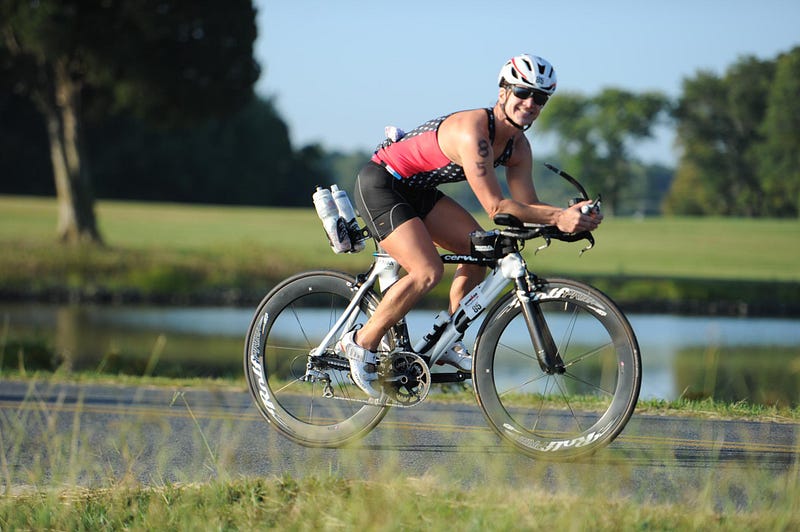
I posed this question to my fellow triathletes in various clubs and Facebook groups: “What has Ironman taught you about life?” Beyond the “anything is possible” mantra, I found some interesting themes:
Balance
In order to sustain 10–30 hours per week training, you have to assess your priorities. That extra swim during a hectic week can provide calm, or it can provide stress if it interferes with other aspects of your life. Sure, that extra swim practice can give you a minute or two advantage on your overall swim time, but it might not matter if your spouse wants to divorce you.
I have seen many relationships break up because their relationship with triathlon interfered with their relationships with family and friends. But the wise triathletes recognize when training for a race needs to take a backseat. It takes perspective.
One athlete, Karen, recognized that caring for her sick father was more important than spending more time training.
I told my coach daily, ‘no regrets,’ and we moved through training as we could with that mindset. Swim, bike and run took a backseat as we spent the moments we could caring for him.
Live in the moment
I am not a strong runner, especially with my bad knees. During an Ironman race, I told myself to focus solely on getting to the next water station. What happened after that didn’t matter. Ironman teaches you to forget what you have done in the past and refrain from anticipating the uncertain future. It’s less about the finish and more about the journey itself.

We get easily overwhelmed in our lives about what might happen or what has already happened. This can bring up unnecessary stress. Ironman teaches you to be awake during each moment of the race, because you’ll never get that moment back. “Live in the moment,” Jennifer said. “Just get through the next 10 minutes.”
Another Jennifer added that moment-to-moment awareness is key.
You can’t solve problems in the future. You can do a reasonable amount of preparation, but ultimately you have to stick to the present (‘run the mile you’re in’) and trust you can solve the problems that arise.
Community
I endured many long rides alone, which offered me a lot of time to reflect. However, riding with a group made the experience a little easier to endure the hot summer days. When you know that everyone else is suffering, it makes it a little more bearable. “We’re all in the same struggle,” Lee wrote. “If it’s a hot day, it’s hot for everyone…We’re all in this together and we each bring our own strengths and weaknesses with us.”
Consider how community can build on your strengths and how your community can help you through weakness. We can try to tackle things alone, but the synergy of community allows you to break through barriers you thought impossible.
The triathlon community is a strong one, building strong bonds over several years and races. Patty finds that community inspires her to endure.
“It’s more about all the great friends I’ve met along the way. Sharing the blood, sweat and tears creates lasting bonds with your training pals.”
Character
Obstacles in our lives can reveal much about our character. Do we try to blame others? Do we try to avoid challenge? How do we deal with successes and failures? How we approach training and racing creates an interesting model of our temperament. Tony wrote, “The training is just like life. There will be good days, bad days, hard days. It’s how you face each one that matters.”
Jim added, “The wonderful thing about endurance sports is that there is nowhere to hide from your demons when it goes bad.”
Eric believes that what he has learned about himself gives him power.
“Ironman exposes you at the very core of who you are deep inside, and it’s not always pretty.”
Vanessa signed up for her first Ironman — despite feeling unprepared — so that her ailing father could see her finish. “Ironman taught me that your best self is born in your toughest moments.”
Perseverance
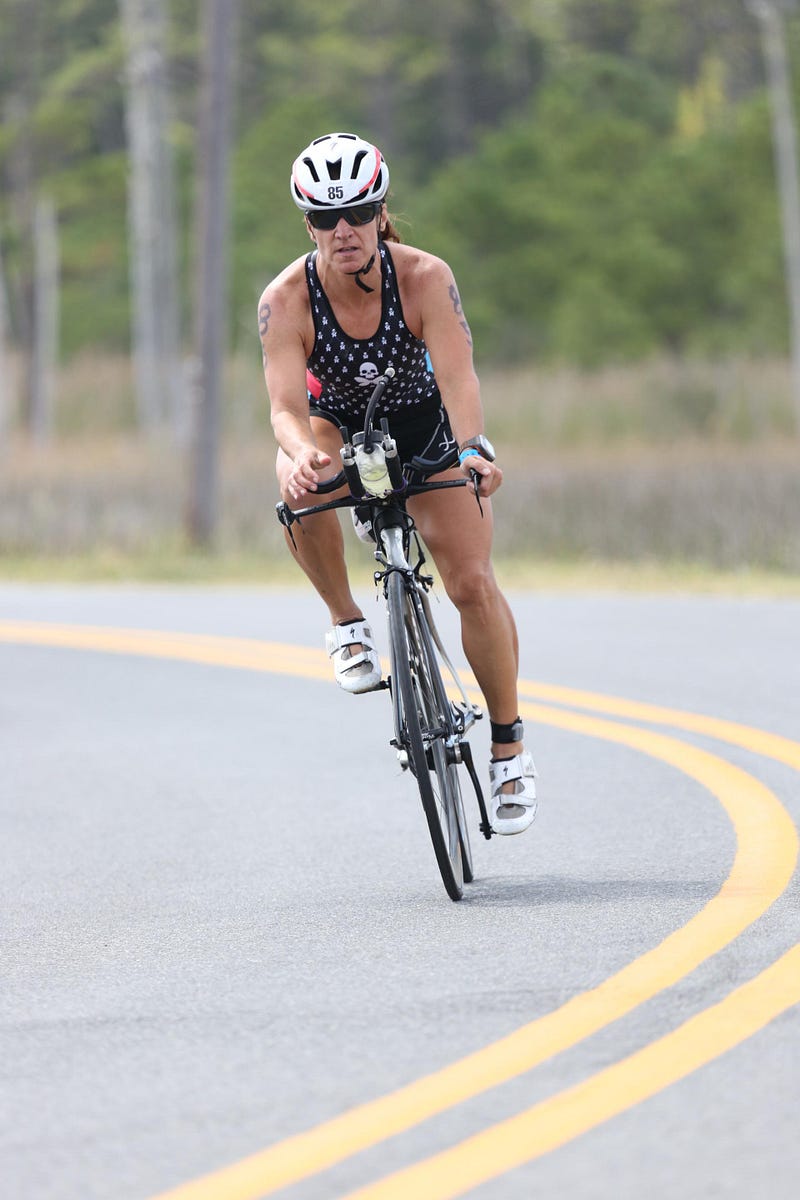
The long road to the finish line of an Ironman can seem so overwhelming, but our lives can also present us with challenges that might seem impossible to face. Ironman training prepares us to endure a lot of physical and mental suffering. In fact, many athletes noted that Ironman training braced them through their battles with cancer and MS.
Ironman also teaches perseverance by breaking things down into smaller, more manageable pieces. Michele used this idea to get her through her doctorate:
I knew I could make it through the years of work and my ultimately 250-page thesis by focusing on what piece I could work on now and not let the sheer volume overwhelm me.
Pat also used this approach:
Ironman has taught me that most problems in life can be handled in a systematic fashion and that most of the time they aren’t as big as what we make them.
One of the more profound insights came from Jaime, who found the teaching in perseverance empowering:
Ironman caused me to reach into the depths of my soul, and push myself through some very dark moments. I used all the hurt, pain, fear and disappointment I had felt in life to fuel myself. I left those things on the course, pounding over them with every mile, making myself stronger and coming out on top. I have not done a full in 5 years and a lot has happened since then. This year I will be doing another on the 5-year anniversary of my sexual assault and through training and racing I am leaving that s — t in the ground where it belongs. I am going to take my power back.
Friends and family members might accuse Ironman athletes of being selfish or crazy. Indeed, the training, the time, and the traveling alone can provide evidence for that. However, with some reflection and introspection, you might find that Ironman, or any tough challenge, can teach you much about life and how to endure it.


