
What Adam’s Sin Teaches Us About Marriage
And why he, not Eve, is to blame for the Fall
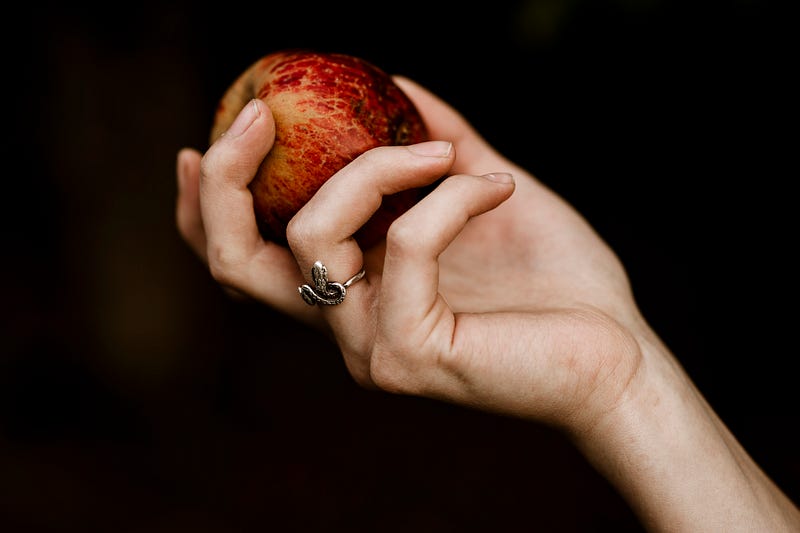
I once asked a group of pastors who was mostly to blame for the sin in Eden; Adam or Eve. They were divided almost fifty-fifty on the question. (You can read the story of the fall of man in Genesis 2–3 for context.)
But the Bible unequivocally lays the blame on Adam. Consider the following passages:
“But like Adam they transgressed the covenant; there they dealt faithlessly with me.” (Hosea 6:7, ESV)
“Yet death reigned from Adam to Moses, even over those whose sinning was not like the transgression of Adam…(Romans 5:14, ESV)
“For as in Adam all die, so also in Christ shall all be made alive.” (1 Corinthians 15:22, ESV)
In fact, even when God is rebuking each party, He does not seem to hold Eve responsible for eating the fruit of the tree. For both Adam and the serpent, God includes a “because you did this” statement.
The Lord God said to the serpent, “Because you have done this…And to Adam he said, “Because you have listened to the voice of your wife and have eaten of the tree of which I commanded you, ‘You shall not eat of it,’ (Genesis 3:14, 17, ESV)
To both, God also uses the word “cursed.” However, such wording is missing from God’s address to the woman.
Why is this the case?
A few points are worth noting as we think about Adam’s role in the Fall:
- It was to Adam that God initially gave the command not to eat of the tree of the knowledge of good and evil. In fact, Eve had not even been created. It was Adam’s responsibility to ensure the law was upheld.
And the Lord God commanded the man, saying, “You may surely eat of every tree of the garden, but of the tree of the knowledge of good and evil you shall not eat, for in the day that you eat of it you shall surely die.” (Genesis 2:16–17, ESV)
- Adam was with Eve while she was being tempted and did nothing to intervene.
- Not only did Adam allow his wife to be tempted and violate God’s command, he also ate of the fruit that God had prohibited.
So when the woman saw that the tree was good for food, and that it was a delight to the eyes, and that the tree was to be desired to make one wise, she took of its fruit and ate, and she also gave some to her husband who was with her, and he ate. (Genesis 3:6, ESV)
Imagine that you went on an errand and left your oldest child in charge of your youngest child with one rule: “don’t play with the stove.” When you returned home, you find that the house is on fire.
When you ask the oldest child what happened, they say that the youngest was playing with the stove. Upon further investigation, you discover that not only did the oldest witness the entire thing but they participated with the youngest child in playing with the stove.
Who would you blame?
Why didn’t Adam intervene?
I believe that the reason that Adam didn’t intervene is more sinister and cold-hearted than many of us have considered.
God had promised Adam that — on the day he ate of the forbidden tree — he would surely die. Adam did not want to die, but I believe he did want to eat of the fruit.
With the knowledge of good and evil, after all, Adam could be a free agent. No longer would he have to live under God’s authority. He could be like God, deciding for himself what is right and wrong.
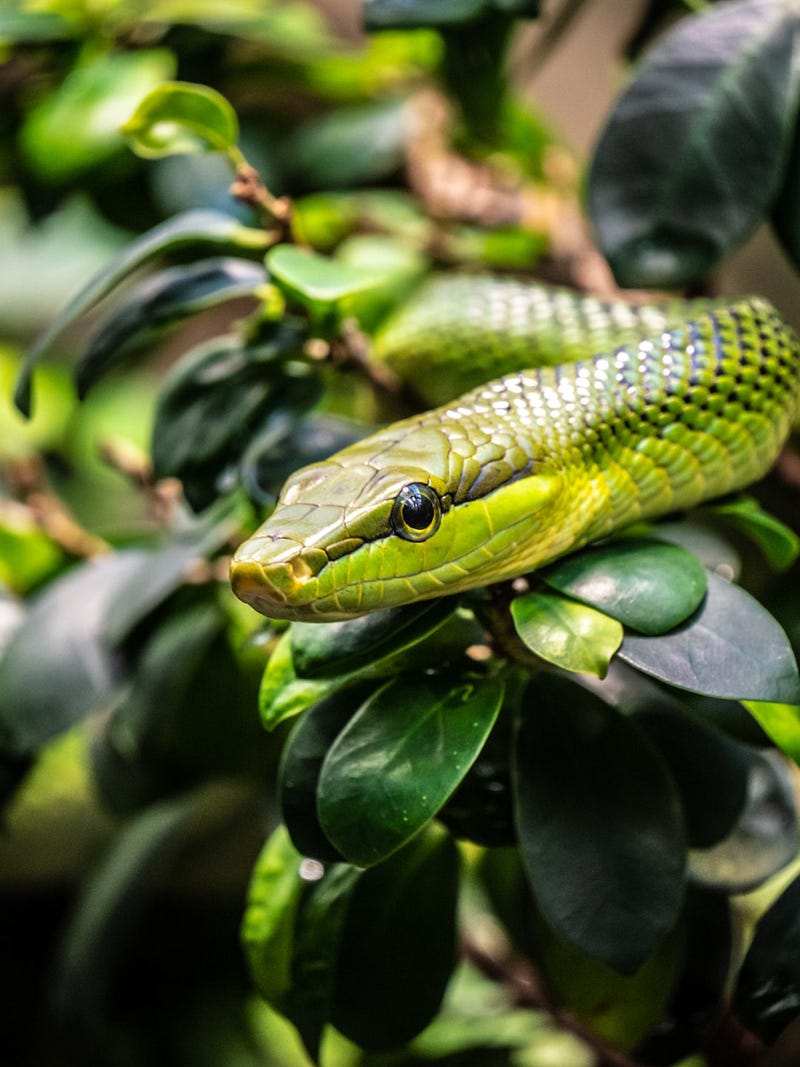
When the serpent tempted Eve, Adam saw his opportunity. If she ate and died, Adam could claim complete innocence. If she ate and lived, he could eat as well without fear of death.
Of course, what Adam couldn’t understand was that there were actually two types of death: an immediate spiritual death that condemned humanity and broke his relationship with God, and a physical death that would happen slowly over time.
Adam’s sin was not merely that he had violated God’s command, but also that he failed to love and protect the wife that God had given him.
Adam was so willing to let Eve die in his place that he directed the blame to her when God called him into account.
“He said, “Who told you that you were naked? Have you eaten of the tree of which I commanded you not to eat?” The man said, “The woman whom you gave to be with me, she gave me fruit of the tree, and I ate.” (Genesis 3:11-12, ESV)
* Remember that Adam fully anticipated that God would kill Eve when he uttered these words.
What does this mean for us?
As a husband, I will face the temptation to see my wife as a means to my own ends, whether they be the physical pleasures she can bring me or a tool in accomplishing my own goals.
But this is not why God has given my wife to me. My wife should make me a better follower of Christ and I should do the same for her.
It is my job to shepherd, love, and protect her. She belongs to Christ more than she belongs to me. As such, I am called to love her sacrificially, just as Christ loves his own body, the church.
“Husbands, love your wives, as Christ loved the church and gave himself up for her,” (Ephesians 5:25, ESV)
Live for Jesus.