
We’re Only Two Months Into Lockdown
Don’t tell me you’ve got virus fatigue already.
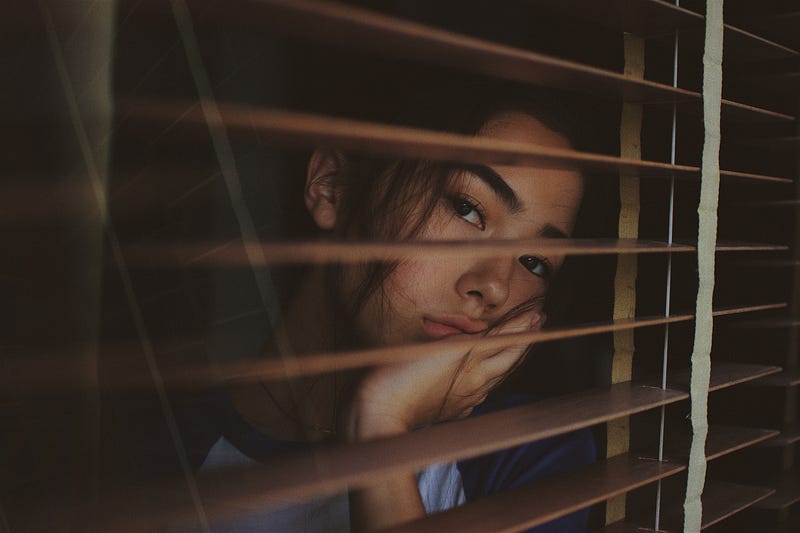
Note from the author: I’m adding a note to this story. I wrote it when the pandemic was new as it were, back in April. Somehow, seven months in, it feels as fresh (not in a good way), as ever.
When people caught the poliovirus in the 40’s and 50’s, they ended up living in an iron lung. Talk about social distancing.
My sister got rheumatic fever when she was a little girl after our brother died from it before the invention of penicillin. She had to stay home for a year.
A woman recently wrote, I think in the NYT, about living in isolation in her house for 18 months because she had TB. She had food and essentials delivered outside her bedroom door, and friends waved to her from her lawn.
In February, before we knew COVID-19 was a thing in the US, I had lunch with a dear friend I hadn’t seen in a long while. She was in remission from a cancer that had taken two people close to me. She‘d had to isolate for almost a year because her disease and treatment wrecked her immune system.
In 1946 or thereabouts, a friend of the family visited from Boston with her young niece and nephew. She was taking them back to England, where they would be reunited with their parents. They had lived with their aunt for three years to protect them from the devastating bombing of Great Britain during the war. Rather than risk losing their children in the war, many British parents gave them up to relatives living far away, often for years.
At the same time, in Holland, Anne Frank and her family and several friends were hidden in an attic in for approximately two years before discovery and subsequent murder by the Nazis.
My parents and grandparents and your ancestors lived through quarantine during the Spanish Flu.
In none of these situations did people draw a gun and demand to go to the beach after two months. They did not march and carry Nazi slogans and claim the lockdown was violating their civil rights. They didn’t question the value of a vaccine.
The victims of the poliovirus, of course, would no doubt have gone to any lengths to have avoided infection. I recall the universal relief when Dr. Jonas Salk produced his vaccine.
I’ve finished two months of solo shelter-in-place. I haven’t left my apartment during this time, and California’s lockdown has been extended to the end of May. Frankly, given my risk factors and the alternative of possible exposure to a deadly virus, I’m good with that.
No one likes enforced isolation. In the before times, I could stay in my apartment for several days, quite happy to work, write, waste time, whatever. My solitude was palatable because it was my choice.
When I got the first notice that I was to shelter-in-place for two weeks, I knew I could do it once I figured out how to get supplies. Nobody, at least none of my non-scientist friends, expected a three-month hibernation. Everyone feared the financial blow, whether to an investment portfolio, to their business closing down, or from losing their job.
To say we’re all tired of this is an understatement.
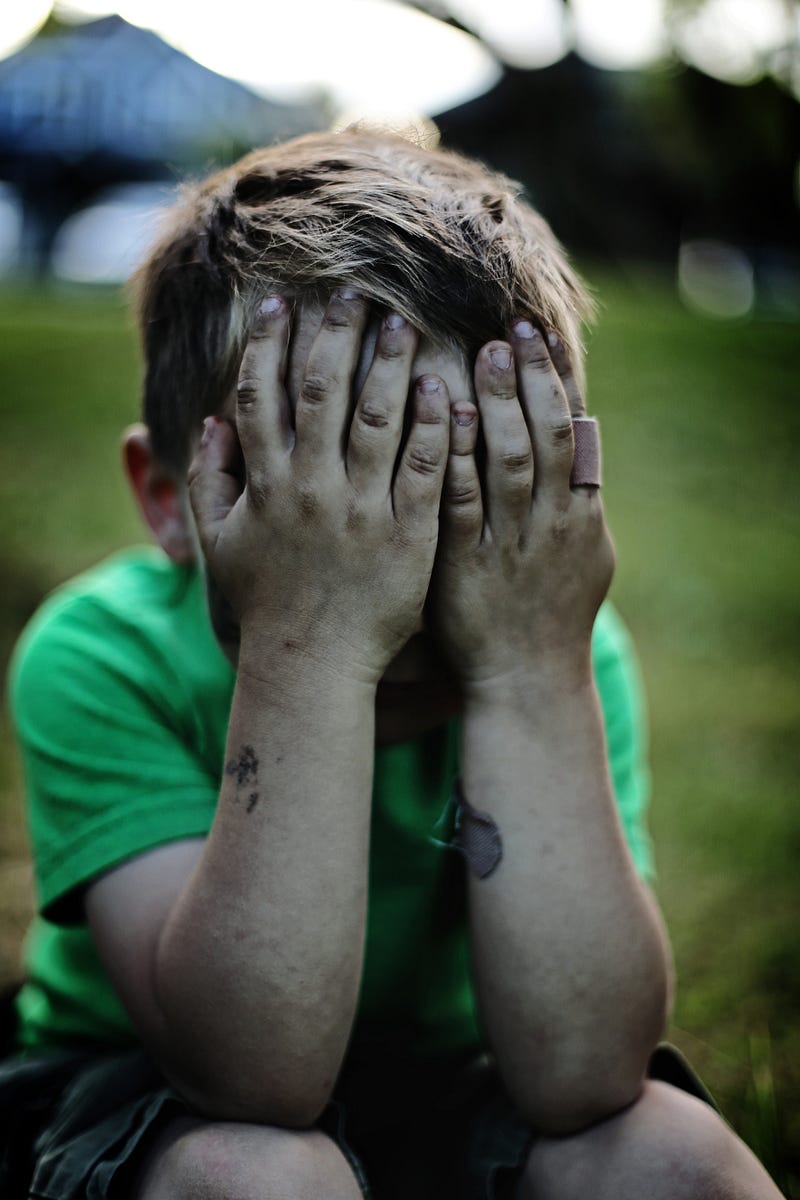
To my mind, we’re still in the beginning phase. Yet people are ready to fly the coop. They say they’re prepared for the “new normal,” but if they believed that, they’d stay put. The new normal means get out of the way of the f**king virus because we don’t have a cure, and we don’t have a vaccine. And nobody is immune. Contacting one person outside your household increases your risk, like 57 thousand percent.
Maybe we’ve been watching too many action movies with all these superhero types. All those people protesting the lockdowns and others champing at the bit to get outside and party down must think ther’re invincible. Like those fake figures they shoot down on their video games.
Newsflash: They aren’t.
Some, won’t get sick. Some will and some will die or become maimed like the actor who lost his leg to newly discovered complications with circulation.
Others will come out of the pandemic, gloating that they didn’t get infected.
Guess what, bro? It’s because folks like me stayed inside and didn’t spread the virus. Not because you grandstanded about your “civil rights” and showed us who’s boss.
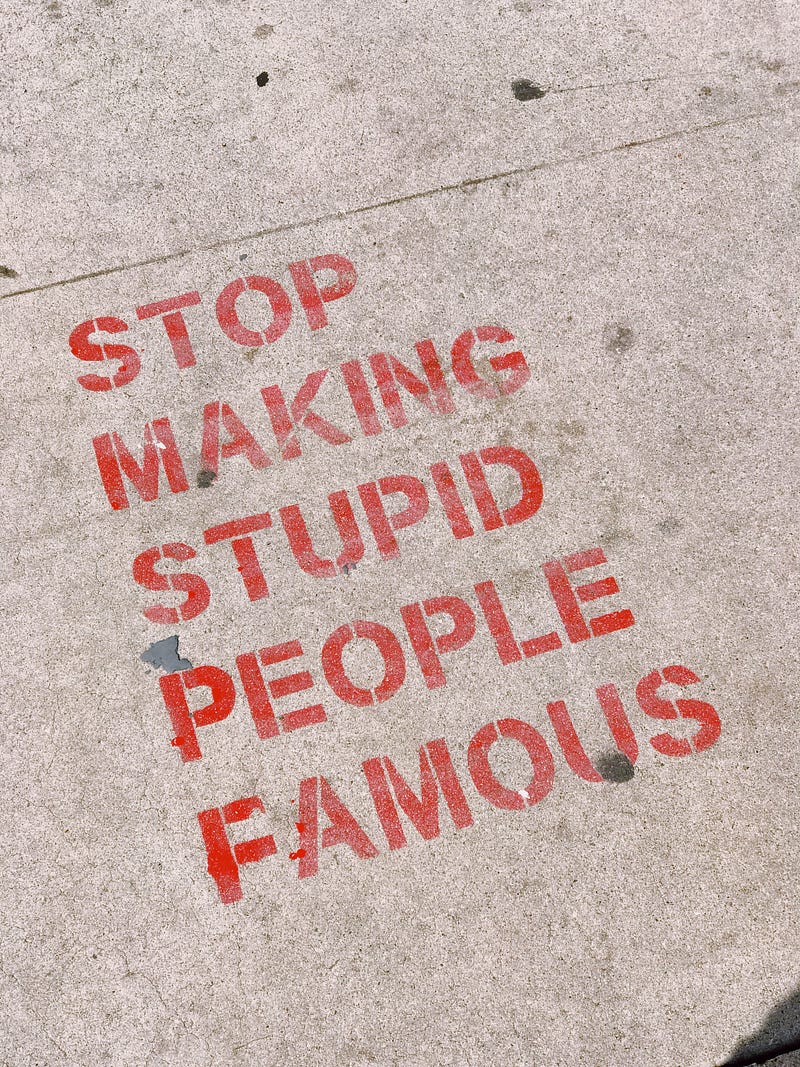
I had two brothers and a brother-in-law in WW2. They saw active service and stuck out the whole war. They didn’t whine that their civil rights were violated after two months because they couldn’t go to the beach. The president declared a national emergency after Pearl Harbor, and they came for it.
My parents and those of every other American and Allied family put up with food shortages, rationing, air raid drills, blackouts, and in Europe, worse deprivations and bombing. Because of their united front and sacrifices for over four years, they contributed to an allied victory.
The war came on the heels of the Great Depression, though there was nothing great about it from what my parents told me about those grim years.
But here we are, two months into our national emergency, and some of us are ready to riot because we want to go to the beach!
“Virus fatigue” is trending.
Our ancestors would be ashamed of us. We don’t have the b**ls to hold their beer.
Life is not about going to the beach. Going to the beach is a privilege. A perk if your chips fall the right way, if you learn your lessons, if you pay your dues. Not everybody gets to go to the beach.
When there’s a national emergency, no matter what nation you happen to live in, it’s your job to stand up. To do what you must to support your family, your friends, your neighbors, your country. To save your own life.
Churchill famously said when you’re in hell, keep going. The protesters are trying to go around. They can’t see that this viral hell stretches to the horizon.
Challenge in life is inevitable. So is change. I was a protester back in the ’60s, challenging an unjust war. So you would think I’d be on the side of the radicals. But what I see going on does not have the honor of civil disobedience.
In my state of California with an extended lockdown to the end of May, almost another month, some remote counties with very low or nonexistent cases of the virus are opening up in violation of the SIP order. Business owners facing financial devastation are opening doors to the public despite not offering the required six feet of space between individuals.
I don’t condone what they’re doing, but I’m very sympathetic to their crisis. If they marched because they were facing job loss or financial devestation, I could honor their resistance, though I wouldn’t agree with it. The earth has shifted on its axis, and the hard fact is that everyone has to adjust.
It’s life. That’s the way it is. I don’t make the rules; I just report from the front.
The world changed after the Spanish Flu, the depression, both world wars. We suffered, we lost, we adapted. Eventually, we came back.

Perhaps you have to be my age to understand that life is about loss and recovery. That death is permanent and grief can scar people for life. No beach holiday will replace a loved one claimed by COVID-19. If they were alive, you could ask my parents about the child they lost to a disease for which there was no cure. It was not a walk in the park, I can tell you that.
But that’s what people are willing to risk after the inconvenience of a two-month lockdown. How would they cope if they had cancer, or polio, or, like the family in New Jersey, they lost four members of a family to COVID-19?
If we don’t have a nation that can unite behind a common enemy for two months, how are we going to get through the next wave of the virus? The economic pain we have to face?
The protesters think this is bad? My parents are shaking their heads up in heaven thinking, thank goodness we didn’t have to rely on you to get us through the 20th century.
I’m an editor and writer on Medium with Top Writer status. I’m also an editor for the publication, Rogues Gallery. I’ve published 55 titles on Amazon and edit for private clients. If you’d like to hire me as your editor for fiction, non-fiction, or business writing, please contact me here. If you’d like to read more of my work on Medium, click here to sign up for my newsletter. I’ll make sure you don’t miss a word. Thank you for reading.


