
We’re Not So Different: Blind? Sighted? Parents.
Exploring The Unseen Bonds That Tie
As I carry my daughter’s laundry toward the stairs, I press my face into one of her shirts, breathing in her clean, unique scent. I find myself wishing I could carry a tactile reminder of it with me always. As of January 2022, when I write this entry, I am facing a departure in approximately three weeks; German law mandates my return to the States for several months before I can visit again.
This bitterly emotional line of thinking leaves me contemplating a single question: what are the fundamental differences between blind and sighted parents? With all the logistics torn aside, are we indeed so disparate from our visually sound counterparts?
Blindness terrifies the sighted world, and that fear becomes judgment when we challenge preconceived notions of ability. Unallied outsiders will glance between a blind and sighted parent sitting side-by-side and rate them based on the factor of sight alone. The unvarnished truth is that, without knowing us, the sighted world judges visually impaired parents more harshly than they do alcoholic parents or those in thrall to addictive substances. Society overlooks a lot, so long as the struggle is one most people can understand.
Let’s look at some of the logistical differences between sighted and blind parents.
- Sighted parents push their strollers.
- Blind parents seek alternative methods that allow us to roll our infants behind us.
- Sighted parents can identify sprouting rashes at a glance.
- Blind parents take preventative measures to avoid rashes even before they begin.
- Sighted parents glance at their mobile children from yards away, spying on what they’re up to in a few seconds.
- Blind parents use audible and hands-on methods of monitoring our little ones.
- The average sighted mother doesn’t face potential involvement by child protective services merely for giving birth.
- Blind mothers must ensure every single duck is in line before giving birth. There’s always a chance an uninformed nurse will report us to child protective services merely for being blind.
- Sighted parents with children suffering run-of-the-mill childhood injuries meet with reassurance and understanding.
- Blind parents with children suffering run-of-the-mill childhood injuries meet with speculation about our competence as adequate caregivers.
These five points barely scratch the surface of the discrimination facing blind parents today. Many custody suits confronting visually impaired parents stand on nothing more than the fact that the parent is blind. Rampant ignorance and closed minds see many of these cases won on such grounds alone.
And yet…
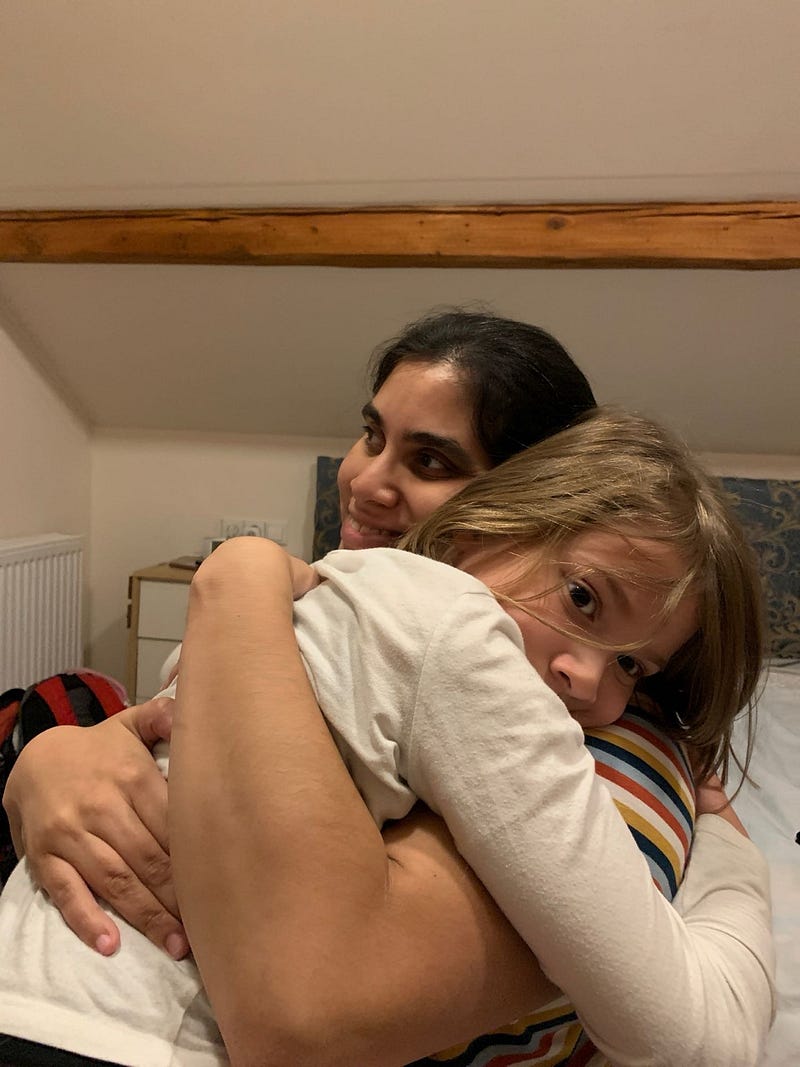
I press my lips to my little girl’s forehead while she lies in bed. My fingers skim over her cheeks, feeling them grow round with the force of her smile. When she tells me she loves me first, I wonder how it’s possible to cherish one person so much more with every passing moment.
My need to fix every wrong in my child’s life until she’s smiling again comes from being a mother. The pride I feel for every one of her accomplishments is because I’m her number one fan. The tears I shed when she’s sad are not blindness-related but parent-related. Every hug, every kiss, and precious moment matters not because I’m visually impaired but because a beautiful little girl calls me “Mommy.”
Strip away the cold logistics. Look past what’s incomprehensible. Blind parents don’t choose to be parents to prove a point. We’re parents because we, too, want to leave a shining star behind. We’re not out to level scales so tilted against us it’s ridiculous even to try.
We love our babies because they’re people, and watching them grow into those people is a fantastic gift. We kiss boo-boos and growl at the ground that puts them there. We flare up at anyone hurting our little ones and yearn to help even when we’re helpless. We imagine positive futures with countless successes, and we never stop supporting our children when they fall short of our hearts-and-rainbows dreams.
At the end of the day, when we kiss little foreheads goodnight and quietly close bedroom doors, there is no fundamental difference between blind and sighted parents. We’re merely people, doing the best we can and learning along the way. We don’t leave behind legacies of sight when it’s our time to go. We leave behind little gifts of vision. We leave behind love.