avatarMonique Brennan MSc

Free AI web copilot to create summaries, insights and extended knowledge, download it at here

2710

Abstract

rey-james/what-goal-setting-does-to-your-brain-why-its-spectacularly-effective.html">brain’s reward system</a>. My goals are fitness related, and for the things, I enjoy doing so that I have a general sense of moving forward even if it’s a slow pace.</li><li><b>Made sure to laugh: </b>I laugh easy because I love it so much. If I’m not hanging with funny friends, I’m listening to hilarious podcasts at least once a day. Laughter therapy not only floods our brain with jovial juices, but can <a href="https://www.verywellmind.com/health-benefits-of-humor-and-laughter-5101137">improve our life satisfaction and immunity.</a></li><li><b>Deep Breathing: </b>My<b> <a href="https://www.mariposayogaretreatscr.com/"></a></b><a href="https://www.mariposayogaretreatscr.com/">yoga instructor</a> taught us how to activate our <a href="https://www.hss.edu/article_parasympathetic-nervous-system.asp">Parasympathetic Nervous System</a> with the 4–7–8 breathing method: breathe in for the count of 4, pause for 7, and breathe out for the count of 8. If we do this five times, cortisol slows, endorphins are released, and many other <a href="https://www.verywellmind.com/the-benefits-of-deep-breathing-5208001">benefits</a>. Sticky notes on my lap top remind me to breathe.</li><li><b>Listening to tunes:</b> <a href="https://www.verywellmind.com/how-to-use-music-for-stress-relief-3144689">Of course music is good for us</a> and why <a href="https://www.verywellmind.com/how-and-why-music-therapy-is-effective-3145190">music therapy</a> is a thing. I’m one of those lucky ones who gets goosebumps so yeah, keep a playlist close and stick in my ears when I need a lift for walks and drives.</li></ol><figure id="7b9f"><img src="https://cdn-images-1.readmedium.com/v2/resize:fit:800/1*6_Ngn9jujbD5Yd5s49nm_g.jpeg"><figcaption>Image Credit to Canva</figcaption></figure><ol><li><b>Mmmmm beer or wine:</b> While I know it <a href="https://www.verywellmind.com/the-link-between-stress-and-alcohol-67239">shouldn’t</a> be used as a long term coping strategy for stress, one IPA or a glass of Pinot Noire (in moderation) in the evenings with meals has <i>felt</i> helpful and backed by at least one <a href="https://www.hsph.harvard.edu/nutritionsource/healthy-drinks/drinks-to-consume-in-moderation/alcohol-full-story/#possible_health_benefits">study</a>:</li></ol><blockquote id="30d5"><p>The social and psychological benefits of alcohol can’t be ignored. A drink before a meal can improve digestion or offer a soothing respite at the end of a stressful day; the occasional drink with friends can be a social tonic. These physical and social effects may also contribute to health and well-being.</p></blockquote><blockquote

Options

id="e30b"><p>Harvard School of Public Health</p></blockquote><p id="2128">8. <b>Saying no with grace and without guilt: </b>For those who’ve been following me, my soul searching excursion (that’s lasted like 3 years) has taught me boundaries. I recently wrote about how I’ve categorized my routine down to what I need, like and love to do, and that my head implodes if I’m over committed or overstimulated.<b> <a href="undefined"></a></b><a href="undefined">Michael Thompson</a> said it best and <a href="https://readmedium.com/22-ways-to-simplify-your-life-in-2022-6c3fe4ada997">how he simplified his life</a> by declining offers this way:</p><blockquote id="8d4c"><p>“I appreciate the offer and thank you for thinking of me. But I’m limiting the amount of things I commit to in order to save myself from eating myself. I’ll keep it in mind and let you know if anything changes, as it sounds cool.”</p></blockquote><blockquote id="f0f9"><p>Michael Thompson</p></blockquote><p id="c03f"><b>9. Offering my help towards a cause</b>: Providing our unique-to-us help for the planet can move us from helpless overwhelm to active helpfulness. I virtually volunteered coaching services to moms with their children in shelters during the pandemic and recently provided financial aid to a family nearby that fled Ukraine. <a href="https://www.psychologytoday.com/us/blog/between-cultures/201805/in-helping-others-you-help-yourself">Studies</a> prove helping others helps us.</p><p id="e84e"><b>10. Started Reverse Gratitude journaling</b>: This has been powerful for me because I tried so many times to journal my gratefulness but I end up writing about the same things without <i>‘feeling it’</i>. What has been working for me is reverse gratitude. This is writing how my life would be without the things I’m thankful for like freshly brewed coffee in the morning, a comfy bed to slide into at night, my family, and feeling safe.</p><figure id="bbe6"><img src="https://cdn-images-1.readmedium.com/v2/resize:fit:800/1*w5kPMQwmY8u66y9pxhEPpA.jpeg"><figcaption>Image Created by Author in Canva</figcaption></figure><p id="9777"><b>The results are in:</b></p><p id="18f5">My agitation was gone within days, but not my awareness of what’s going on in the world. So, I’m not missing much by interacting with the world on my terms.</p><p id="9b45">We’ll always have to live with global catastrophes but we don’t need them living inside of us.</p><p id="ead8">Micro releases of happy hormones protects from crippling vibes so we can show up with energy and empathy.</p><p id="f2ca">Now that I think about it, if all of us could do that, there’d be less paralyses and battles raging on in the first place.</p></article></body>

Image Credit to Canva

We’re Gonna Die!! Daily Ways I Calm My Brain (#9 is Reverse Gratitude)

I used to roll my eyes at these common tactics, but applying all of them daily made me feel so much better!

The globe has felt like it’s been in perpetual crises. I’m surprised any of us still have hair with the daily bombardment of disturbing news.

Sometimes we’re not conscious of when our brains pick up on the negative energy and put our bodies into hyper-alert. Here are some signs it’s happening:

Sleep disturbances

Jaw Clenching

Digestive issues

Appetite increase or decrease

Unexplained joint pain, body aches

Headaches

Difficulty making decisions

Avoiding responsibilities and procrastination

Irritability

So many more issues

I knew I was stressed a few weeks ago. I was unusually cranky, withdrawn, and couldn’t stop scrolling like a zombie.
Image Credit to Canva

So I decided to combat my fight/flight/fawn/freeze cortisol by turning up my feel-good chemicals with these things:

  1. Radically Reduced my Screen Time: Deleted apps from my phone and turned off all notifications (this stops the dopamine hits). I grab the news twice a day, once in the morning and once in late afternoon ONLY.
  2. Amped up my workout schedule. Climb a local mountain, and do some HIIT.
  3. Turbo charged my Goal setting: I started setting smaller goals just so I could check them off more often and activate my brain’s reward system. My goals are fitness related, and for the things, I enjoy doing so that I have a general sense of moving forward even if it’s a slow pace.
  4. Made sure to laugh: I laugh easy because I love it so much. If I’m not hanging with funny friends, I’m listening to hilarious podcasts at least once a day. Laughter therapy not only floods our brain with jovial juices, but can improve our life satisfaction and immunity.
  5. Deep Breathing: My yoga instructor taught us how to activate our Parasympathetic Nervous System with the 4–7–8 breathing method: breathe in for the count of 4, pause for 7, and breathe out for the count of 8. If we do this five times, cortisol slows, endorphins are released, and many other benefits. Sticky notes on my lap top remind me to breathe.
  6. Listening to tunes: Of course music is good for us and why music therapy is a thing. I’m one of those lucky ones who gets goosebumps so yeah, keep a playlist close and stick in my ears when I need a lift for walks and drives.
Image Credit to Canva
  1. Mmmmm beer or wine: While I know it shouldn’t be used as a long term coping strategy for stress, one IPA or a glass of Pinot Noire (in moderation) in the evenings with meals has felt helpful and backed by at least one study:

The social and psychological benefits of alcohol can’t be ignored. A drink before a meal can improve digestion or offer a soothing respite at the end of a stressful day; the occasional drink with friends can be a social tonic. These physical and social effects may also contribute to health and well-being.

Harvard School of Public Health

8. Saying no with grace and without guilt: For those who’ve been following me, my soul searching excursion (that’s lasted like 3 years) has taught me boundaries. I recently wrote about how I’ve categorized my routine down to what I need, like and love to do, and that my head implodes if I’m over committed or overstimulated. Michael Thompson said it best and how he simplified his life by declining offers this way:

“I appreciate the offer and thank you for thinking of me. But I’m limiting the amount of things I commit to in order to save myself from eating myself. I’ll keep it in mind and let you know if anything changes, as it sounds cool.”

Michael Thompson

9. Offering my help towards a cause: Providing our unique-to-us help for the planet can move us from helpless overwhelm to active helpfulness. I virtually volunteered coaching services to moms with their children in shelters during the pandemic and recently provided financial aid to a family nearby that fled Ukraine. Studies prove helping others helps us.

10. Started Reverse Gratitude journaling: This has been powerful for me because I tried so many times to journal my gratefulness but I end up writing about the same things without ‘feeling it’. What has been working for me is reverse gratitude. This is writing how my life would be without the things I’m thankful for like freshly brewed coffee in the morning, a comfy bed to slide into at night, my family, and feeling safe.
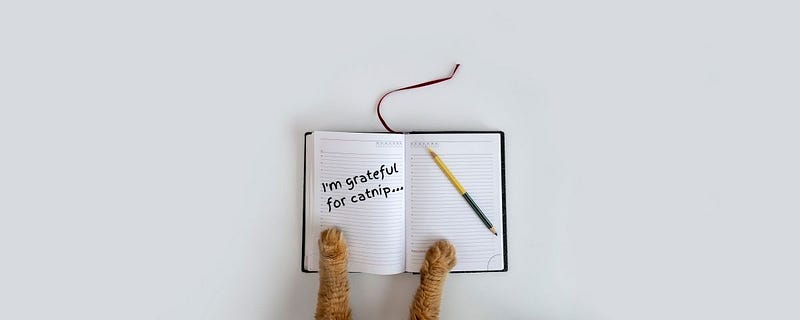
Image Created by Author in Canva

The results are in:

My agitation was gone within days, but not my awareness of what’s going on in the world. So, I’m not missing much by interacting with the world on my terms.

We’ll always have to live with global catastrophes but we don’t need them living inside of us.

Micro releases of happy hormones protects from crippling vibes so we can show up with energy and empathy.

Now that I think about it, if all of us could do that, there’d be less paralyses and battles raging on in the first place.

Life Lessons
Happiness In Life
Self Improvement
Overcoming Fear
Crisis Survival Tips
Recommended from ReadMedium