
We’re All In This Together?
No. Clearly we’re not.
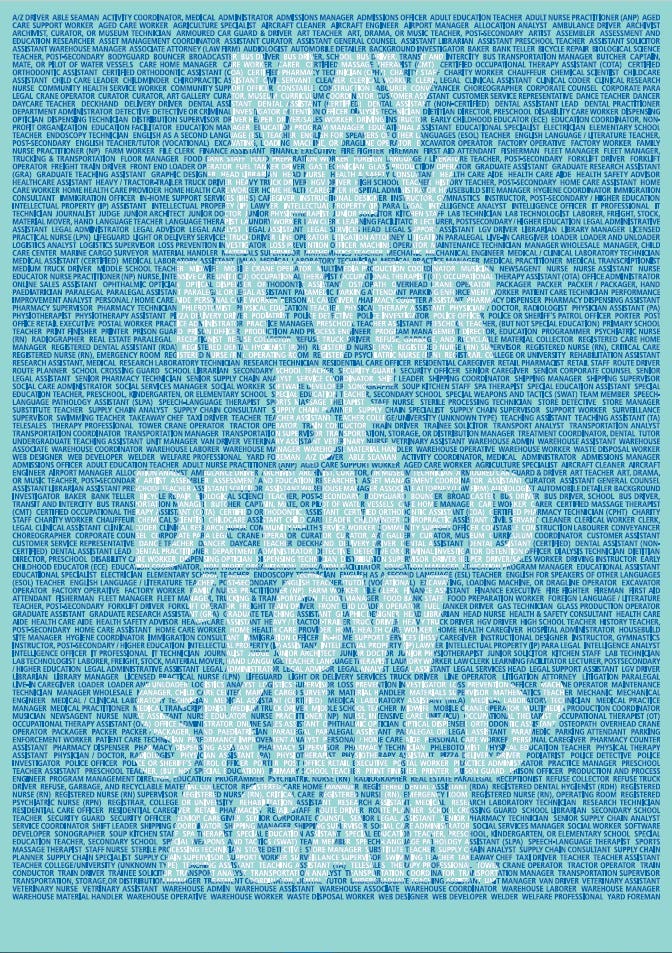
“All animals are equal, but some animals are more equal than others.” A proclamation by the pigs who control the government in the novel Animal Farm, by George Orwell.
It was only back in February that home secretary for the UK, Priti Patel labelled any person earning less than £25,000 a year a “low skilled” or “unskilled” worker. Now, amid the chaos of the coronavirus pandemic, it is those workers who’re helping to prop up the country in lockdown.
Coronavirus is not some grand leveller: it is an amplifier of existing inequalities, injustices and insecurities.
The trite slogan ‘We’re All In This Together’ is simply bollocks. There’s no equality on display. The virus isn’t some grand leveler affecting everybody in society in the same way. In case you haven’t heard, old people are more susceptible than young. The weak are more likely to be infected. And those on the low-end of the poor scale, the social-economically deprived people feeding the trough of the rich, are even more likely to be exposed to the virus.
Are the super-rich, holed up in their bunker, really in it together? Is Gwyneth Paltrow really concerned for my well-being as her in-house chef whips up another batch of smashed avocado smoothie?
It’s time to debunk the myth.
‘Be Kind’ is what the governments are preaching. They need the populace to stay calm. They need the ‘workers’ now to be in the front-line in order to protect the system. They need you now more than ever.
Boris Johnson lavishes praise on a Kiwi worker. A woman who stayed by his bed all night long ensuring he didn’t succumb to the virus. By her side was a Portugese health worker. Two vital women that helps the National Health Service to tick over. The irony here being that both would have difficulty getting visas in the Uk’s Brexit future. Migrants help the system tick over.
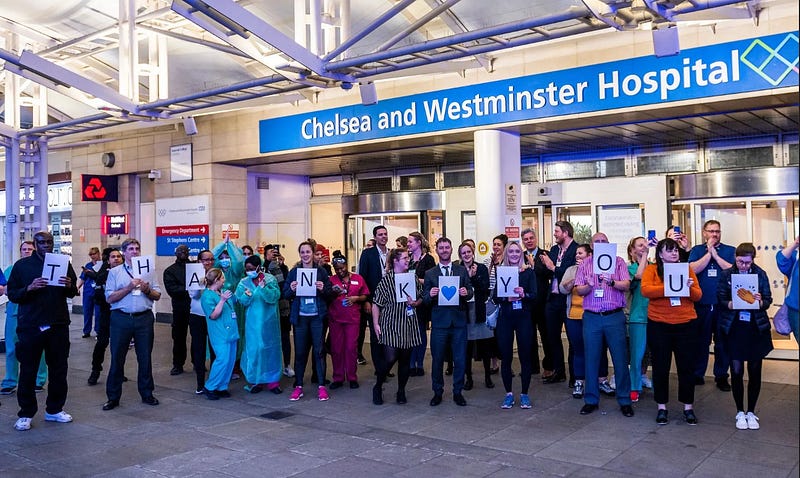
The day Dominic Raab encouraged us all in the UK to clap for the workers who’re risking their lives to keep society going, the government restated that some of those same people won’t be allowed in the country come January 2021.
“Low-skilled” people would not be able to apply for a UK work visa.
In It Together until you’re no longer useful or needed. Who’ll take their place? Who among the wealthy are willing to step into their shoes? What will become of the the migrant care workers, hospital porters, bus drivers and cleaners who are keeping us safe and keeping society functioning.
Are the cleaners essential during a pandemic but non-essential when the pandemic clears? If recognising our common humanity is something we can do when Boris Johnson is admitted to intensive care, the same should be possible for all people, regardless of their immigration status. All migrants’ rights should matter. Not just in a crisis, but all the time.
Away from the low-skill row, living conditions are drastically different for those on the front line to those offering support from the government.
Some lives could be forever damaged; others will emerge relatively unscathed. This crisis is shot through with inequality: it is revealing existing imbalances, and risks creating new ones.
How are the homeless in it together? Those sleeping rough, couch-surfing and living in overcrowded accommodation will struggle to self-isolate.
What of those whose jobs have now been lost? How’re they coping as the weeks drag on? The stress that brings living paycheck to paycheck. Rents on hold? Food packages? But what happens next?
Being vulnerable to the virus hits those in their 60’s when you’re at the poor end of society.
Everything looks different through an inequality lens.
Renters, meanwhile, are feeling aggrieved after getting less help, so far, than mortgage-holders. The “holiday” for the latter may only delay, rather than reduce, the mortgage payments they have to make. But no such similar ability to defer rent payments has been offered here in NZ. And while the government has stopped “no-fault” evictions, it should follow the lead of many American cities and ban evictions outright during the lockdown. While evictions may be unlikely at this time, no-one should have even the threat of them hanging over their head.
Pandemics don’t always trigger social unrest, but they can do, by throwing into relief the very inequalities that caused them. That’s because they hit the poor hardest — those in low-paid or unstable employment, who live in crowded accommodation, have underlying health issues, and for whom healthcare is less affordable or less accessible.
Across the globe, a racial dimension can be added to the poor clusters.
Many, worried about the loss of income, continue to go to work. They have no choice. Not only are they ‘essential’ workers, but with little income, they can’t afford to take ‘sick leave’ (if they’re even entitled to it) or live off their savings. There’s no ‘second-home’ for them to retreat to.
Then there’s the issue of space.
Often crowded homes with no space to have some ‘me’ time. While many middle-class children play in expansive gardens, much of the urban poor find themselves locked away in overcrowded accommodation, risking a police reprimand if they loiter around parks. Those with violent partners or abusive parents, or, for LGBTQ youth, all too often hostile families, have nowhere to go. For some, home is a sanctuary; for others, it was a place of fear before the pandemic, and now it is a prison.
Around the world, lockdowns enforced to stop the spread of coronavirus have led to a second epidemic — the escalation of violence against women and children.
On Good Friday, New Zealand police released statistics about domestic violence — which it calls “family harm” — here for the first time. It showed a 20 per cent spike in cases on the first Sunday after the lockdown, March 29, when compared with the previous three Sundays.
Financial insecurities and stress lead to an increase in aggression at home. And in shared custody cases, abusers have already begun using the lockdown rules as an excuse to breach their parenting orders in New Zealand.
Grandparents, stressed at having extra children in their homes. Teenagers, physically fighting with their parents after being told they weren’t able to go out.
Good news? Not all violence figures are up. Data released by the Ministry of Justice showed without notice applications had dropped from 100 a week in the month before lockdown, to just 55 in the first week of the level 4 restrictions. Yeah, locked at home means no easy access to report your abuser.
In China’s Jianli County, the police station reported receiving 162 reports of intimate partner violence in February — three times the number reported in that month last year.
So save us the platitudes of coronavirus as the great leveller; abandon this sickly myth that we are all in this together. For some, this is a time of grand inconvenience, of undoubted stress, of a self-evident loss of freedom. For others, this is both a national and personal disaster, a present defined by turmoil and of futures snatched away.
Those who come through coronavirus relatively untouched, those whose wealth is largely intact, will have to put their hands deeper into their pockets. Only when that happens will it be true to say that we are all in this together.


