
Welcome to the Work-from-Home Club
Ten tips to make working from home bearable — and successful
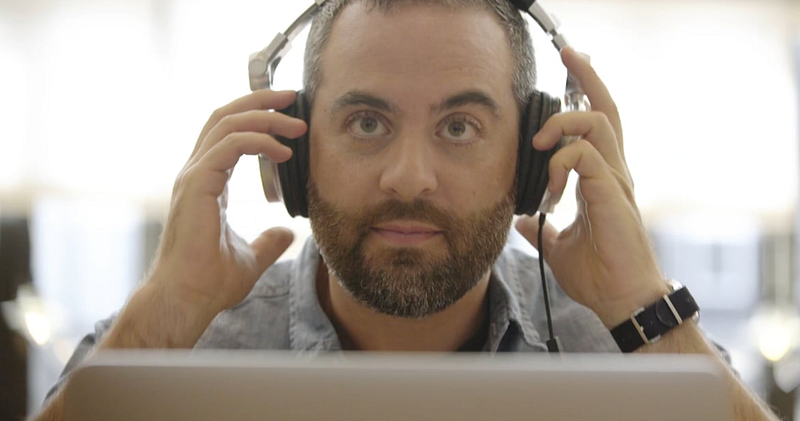
Freelancers all over the country and the world have been working from home for decades. Once work went digital and professional life went online, many of us went to Starbucks. We went to the dining room table. We went to the garage. We logged on and got to work. Over the years, we have built up some very useful knowledge that has helped us grow businesses, keep our desks running smoothly, and make our lives “work”…even though we don’t go to an office each day. During this bizarre and unprecedented time, the fundamentals of working from home might help those of you who are now doing it for the foreseeable future. Here are our top ten tips. We’re sorry it’s under such strange circumstances, but welcome to the club.
- Write your House Rules. Moms love house rules. Minivan Moms really love them. Shoes come off in the garage, especially muddy ones. No video games after 8pm. We brush our teeth in the morning with exactly one (and only one) squeeze of the toothpaste. Being the den mother of your new work-from-home life is important. What are the things you will and won’t allow yourself to do? Working in your bedroom — or living room, porch, or basement — sometimes means that you have to hold yourself to standards, rules, and expectations that your usual workplace and routine naturally does for you. Think about how you would like your day and your week to flow. Design it. What’s your new routine? How will you keep this time structured? Here’s your project: Take yourself on a little company retreat (to a quiet place in your house) and choose, carefully, 5–10 House Rules, type them up, and print them out. Post them on your refrigerator, your mirror, at your desk — wherever you will see them, digest them daily, and remember to stick to them. If you live with others, these also become the rules of the road for them. Now they know what your expectations are for yourself and for them during this time.
- Get dressed. It seems silly, but it’s super important. For the first few days, you’ll be so happy to be a freebird that you’ll work in your boxers or robe. Don’t get sucked in. That leads nowhere good. Get dressed for work, shoes and all, like you normally would for the office, even if you’re walking into the den.
- Define your physical work space. Where will you do your best work? If you don’t work from home often, you’ll quickly realize that this new arrangement can become problematic when work life bleeds into home life and vice-versa. A very good friend of mine who works at home taught me this great trick. She works from a desk in her living room in a one-bedroom apartment in Santa Monica. With a husband, a dog, and an office all in one space, the lines between work, home, self, and family can blur very, very quickly. So every morning, she gets up, gets dressed, and leaves the house. She locks the door. She walks to the Coffee Bean on the corner, gets her morning coffee, walks around the block, then walks home. She unlocks the door, and enters “the office.” The space is no longer the apartment she shares with her husband. She opens up her work station and gets to work. It takes ten minutes, and she psychologically separates herself from her home, even though she’s still in it. It’s a mental trick. And it seems absurd. But leaving the space and re-entering has psychological value that will pay rewards for the rest of the day. You may elect to take Coffee Bean or Starbucks out of the equation if you want to practice zero-cafe social distancing, but you get the picture.
- Do not work in bed. Get out of bed. It’s quicksand. Too many times I have found myself in the midst of a deadline in my underwear, with my iPhone, laptop, and a cup of coffee in bed. Maybe you work better like this. If you do, I say, “Good for you.” But most people don’t. And most people will get trapped there. Before you know it, it’s 3:30 in the afternoon and you haven’t showered yet. Get up! The success of your work-from-home life depends on it.
- Set office hours and be strict about them. The quickest way to cause chaos while working from home is to have zero structure. So, set your working hours — likely they’re the same as they would be if you were working in the office, but perhaps not — and communicate them to your loved ones and to your colleagues. If you stick to the hours you designate, you can enjoy your personal life because it is entirely separate from your work life. We could all use this kind of structure, even before the virus crisis. Another benefit of defined hours is that colleagues will get used to you sending emails and messages during regular business hours. If you all stick to those hours, you’ll find the message is clear: please don’t text or email after my work hours. I have other commitments here at home that need my time and attention.
- Create an SOS. An SOS is a system of support. Especially now during this odd time, it’s important to have a support structure. If you’re used to seeing and interacting with 10–20 humans a day, this new arrangement may be a total shock to you. You’ll quickly realize just how much you rely on other people to buoy your day-to-day emotional life. That’s what’s supposed to happen. It’s natural. Working at home, you’ll find, is not. So team up with a friend or two for regular FaceTime check-ins throughout the week. You might even have a video lunch together to keep lunch time a social touchpoint of your day. Along the same lines, don’t do phone meetings with your colleagues. Do video meetings instead. You’ll appreciate seeing each other’s faces.
- Um, exercise. I’ll say it as plainly as my dad would: get your ass out of bed and go sweat. You can still go outside. That hasn’t been cancelled.
- Don’t forget to eat. This seems like a no-brainer, but how many times even at the office have you found yourself at 1pm still working on the email inbox you opened at 9am? It’s even worse at home. Eat regularly, or you’ll be hangry fast. Also, don’t over-caffeinate. I have zero data to back this up, but I would wager to say that people who work from home drink more coffee, per day, than the average in-office worker. The Keurig is right there.
- Turn off social media while you work. There is a reason that many companies have done this in your office. Your risk of being distracted goes up and your efficiency goes down. Yes, it’s absolutely tempting to want to interact with your friends and loved ones during this time, especially since you’re social distancing in the rest of life. But those of us who work from home regularly know the great importance of logging off of social media during work hours. You’ll be able to focus and keep your day drama-free. Plus, social media right now is full of information (and misinformation) about the virus crisis. We could all use a break from the panic.
- Do what you say you will do. The success of work-from-home operations, whether the practice is for the whole company or just for special or emergency moments, is based on trust. During this extended national emergency, how we treat each other and how we come through for each other will make the difference between disaster and triumph. Do what you say you will do. If you tell someone you’ll call them at a certain time, do it. If you say you’ll email tomorrow, make sure you do. Don’t cancel meetings just because you’re hanging at home. Public trust will erode very quickly if we don’t make commitments to one another and stick to them. Once that trust is broken — even in small ways — the entire country gets the message that this new work-from-home economy is fraught with epic challenges and that work simply cannot get done this way. It can. Take it from the freelancers of the world who have been doing it for years. You got this.
___
These tips have been edited from the e-book Freelance Heaven: 100 Ways to Make Freelance Life Easier and Avoid Freelance Hell, by Julio Vincent Gambuto.


