
Weird AF New Ethereum Layer Two BLAST
Ponzi, or on-chain hedge fund, backed by Paradigm
So, you might have heard about Blast. Under the mask of “A new Ethereum layer 2”, this project has attracted both controversies as well as $600 million worth of ETH trapped in a 5-address multisig.
Sometimes I wonder why the crypto industry players seem to intentionally shoot themselves in the foot. As if the industry reputation isn’t damaged already with various grifts they have done so far.

Introducing Blast. They market themselves as Ethereum layer 2, which boasts not-so-distinct features other existing layer 2 also offer like cheap gas fee, etc.
What makes them different, and also their main selling point is ETH bridged to blast automatically accrue yield from staking. It happens by default, and the process was native to the design of the L2 itself.
The way they do it is quite straightforward.
- You send ETH to a smart contract, this smart contract is a 3/5 multisig.
- Your ETH will be staked on Lido, that’s where the yield comes from.
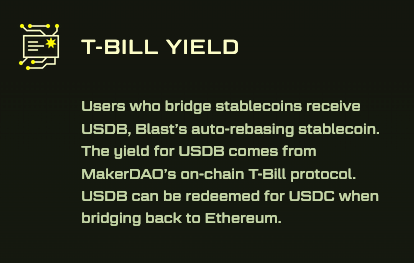
Blast doesn’t just limit yield-accrual to ETH. Your stablecoins will also generate yield just by bridging it to Blast. Yield will come from T-Bill and they are utilizing MakerDAO for that.
Over the first week, they accrued 560 million TVL in a week from 62k users. You can already guess how they manage to attract such an amount — airdrop.
What’s interesting is that you can’t withdraw those bridged ETH, not until February 2024. There is also a concern around the security of the contract address — yet that didn’t deter people from putting millions of dollars there. (On average, a user puts $1000 into Blast, so actually that’s not considered much.) However, considering how they closely race Solana TVL and other established layer twos like Optimism, this amount is mindblowing.
It’s a hedge fund
Blast is not a real L2. At least not yet. Nothing is deployed by the team except a contract that accepts ETH deposits. This contract, as I said, is a multisig contract which makes it different from fellow L2 Arbotrum’s rollup multisig (which has a security council and timelock, as well as other emergency approaches.)
This fact is suspicious to me how they are prioritizing accepting deposits before everything else — like an actual deployment. They say it is for ‘early access’ and creating the buzz (marketing,) but it’s a reckless attempt to do so.
Blast acts like a hedge fund, but on-chain. With the current direction of crypto regulation, they seem to be borderline insane to launch such a mechanism, especially as a US-based project with a doxxed founder.
The Multisig situation
The whole $600 million worth of ETH is stored on a non-immutable or upgradable smart contract controlled by 5 person multisig. “Persons” is a generous term by the way, because there’s always a possibility that each of those 5 addresses is controlled by the same person.
Before long, on-chain sleuth found out some oddities.
There are also rumors about a connection with a past exploiter.
The Blast team defended their choice of multisig on a Twitter post. They argued multisig can be secure (and also because other L2s use the same mechanism.) It’s a weak defense for me, especially as someone who believes that even established L2s aren’t that secure or decentralized right now.
Paradigm Blunder
There are a lot of shady projects on crypto launching every day. Blast stands out because they are backed by the big names of crypto, and that’s where the criticism originated.

Many in the crypto community are disappointed with the direction Paradigm is going. Once a respected name in the space, now they become rather memetic with their recent choice of investment.

After getting a lot of backlash, Paradigm broke the silence on a tweet, with highlights including that they don’t endorse the way Blast team opens deposits before launching a bridge.
They told us the reasoning behind their investment (that they invested in the founder before), low-key distancing themselves just in case something bad happens (“We aren’t involved in any decision making”) as well as acknowledging how the crypto community expects better of them.

It’s a pre-damage control move, but the cat’s out of the bag. I won’t be surprised if they have less respect to garner and more skepticism from the industry going forward.
Attack on decentralization
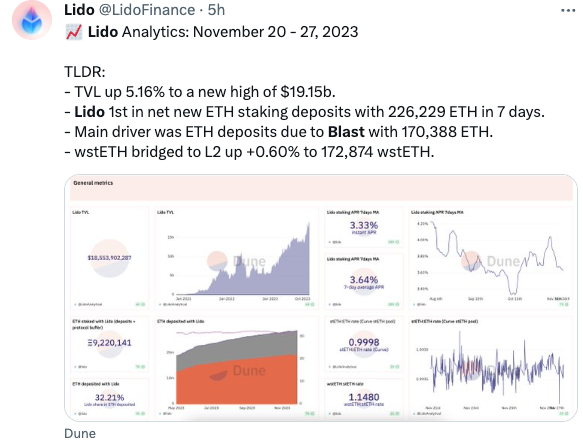
Another concern, albeit less popular, revolves around the potential of Lido being even more of a monopoly with Blast default yield. Lido has consistently faced substantial criticism for its perceived monopolization of Ethereum staking, and now things would only get worse, decentralization-wise.
The main takeaway from this simple research about Blast, is that they have a lot of red flags. It won’t stop degen from depositing, though. But I won’t certainly advise anyone less-than-savvy to participate in this chicanery.
It’s kind of annoying why crypto keeps churning out useless projects, projects that only benefit the team, their investors, and to a much lesser extent, the degen who have the appetite for risks.
Another question is, how many Ethereum layer 2 do we need? Why do we need another one, to be exact?
This is the question that needs to be answered not only by the community but more importantly, by those who keep backing hubris projects — In this case, Paradigm, and the industry’s top individual investors/influencers.