
Weight Gain and its Impact on Metabolism: Understanding the Dynamics
Weight gain and metabolism share a complex relationship that affects our overall health and well-being. Metabolism, the process by which our bodies convert food into energy, plays a pivotal role in determining how efficiently we burn calories and maintain our weight. However, when weight gain occurs, it can significantly alter metabolic processes, leading to various implications for our health.
The Basics of Metabolism:
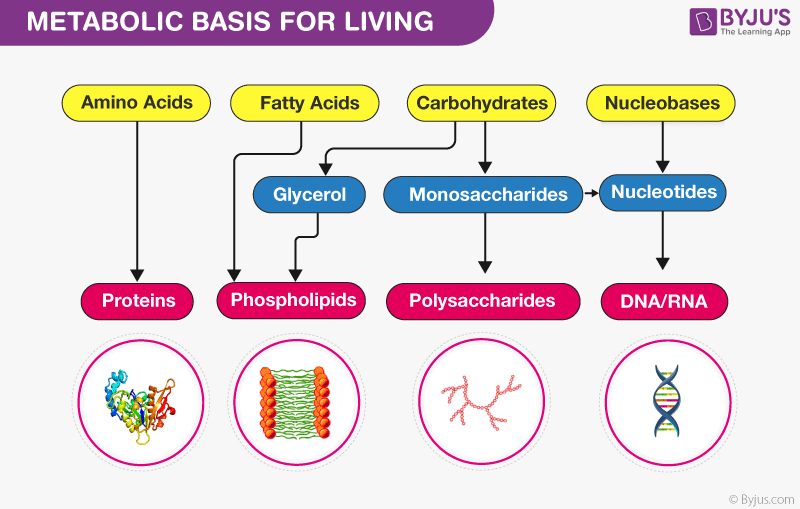
Metabolism encompasses two primary components: basal metabolic rate (BMR) and total daily energy expenditure (TDEE). BMR represents the number of calories the body needs to sustain basic functions at rest, such as breathing, circulation, and cell production. TDEE incorporates BMR along with calories burned through physical activity and digestion.
When we consume food, our metabolism revs up to break down nutrients, absorb them into the bloodstream, and distribute them to cells throughout the body. If we consistently consume more calories than our body needs for energy expenditure, the excess is stored as fat, leading to weight gain over time.
Weight Gain and Metabolic Changes:
As weight increases, metabolic dynamics can shift in several ways:
1. Decreased Basal Metabolic Rate (BMR):
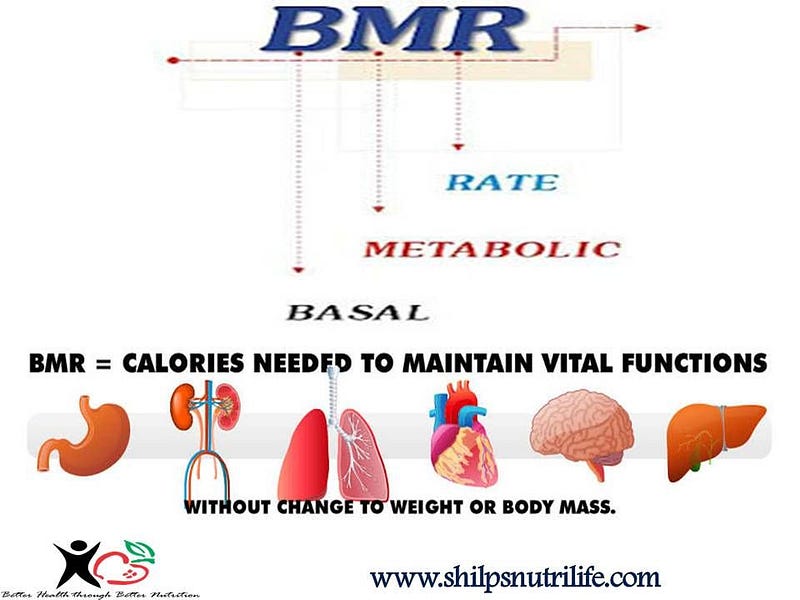
Contrary to popular belief, a higher body weight doesn't always equate to a faster metabolism. In fact, as weight increases, BMR often decreases. This occurs because larger bodies require fewer calories to sustain basic functions compared to smaller bodies. As a result, individuals who gain weight may experience a reduction in BMR, making it harder to lose weight in the future.
2. Altered Hormonal Regulation:
Weight gain can disrupt hormonal balance, particularly hormones involved in appetite regulation and metabolism. Leptin and ghrelin, for example, play crucial roles in signaling hunger and satiety. In overweight individuals, leptin resistance can develop, leading to diminished sensitivity to its appetite-suppressing effects. This can contribute to overeating and further weight gain.
3. Impaired Insulin Sensitivity:
Excess weight, particularly abdominal fat, is associated with insulin resistance, a condition in which cells become less responsive to insulin's signals, leading to elevated blood sugar levels. Insulin resistance not only increases the risk of type 2 diabetes but also interferes with normal metabolic processes, promoting further weight gain and metabolic dysfunction.
4. Impact on Physical Activity:
Weight gain can hinder physical activity and lead to a sedentary lifestyle, further exacerbating metabolic issues. Reduced mobility and increased fatigue may discourage individuals from engaging in regular exercise, which is crucial for maintaining a healthy metabolism and managing weight.
Managing Weight Gain and Restoring Metabolic Health:
Addressing weight gain and its impact on metabolism requires a multifaceted approach:
1. Healthy Eating Habits:
Adopting a balanced diet rich in whole foods, lean proteins, fruits, vegetables, and healthy fats can support metabolic health and facilitate weight management.
2. Regular Physical Activity:
Incorporating regular exercise, including strength training and cardiovascular activities, helps boost metabolism, build lean muscle mass, and burn excess calories.
3. Stress Management:

Chronic stress can contribute to weight gain and metabolic dysfunction through hormonal imbalances. Implementing stress-reduction techniques such as mindfulness, meditation, and adequate sleep can help mitigate these effects.
4. Medical Intervention:
In cases of severe obesity or metabolic disorders, medical interventions such as medication, bariatric surgery, or hormone therapy may be necessary to address underlying issues and facilitate weight loss.
End Word’s:
Weight gain can have profound implications for metabolism, affecting various physiological processes that influence our health and well-being. By understanding the complex interplay between weight gain and metabolism, individuals can take proactive steps to manage their weight, improve metabolic health, and reduce the risk of chronic diseases associated with obesity. Through a combination of healthy eating, regular exercise, stress management, and medical support when needed, it is possible to achieve sustainable weight loss and restore metabolic balance for long-term health.