
Weekly Prompt: Character vs. Character
Take two people, add some fuel, and plenty of sparks.
Welcome to the first weekly challenge for August, where the theme is Rings of Conflict.
As we said in the Monthly Theme announcement, this month focuses on the interactions between the many forms of conflict. Each week we’ll look at a ring of conflict as they expand outwards and consider its effect on your stories.
Remember this months Serial collection challenge and contest.Only Serials are eligible for the Small Medium Contest Prize.This is very much a healthy nudge toward writing longer pieces. While writing this prompt, my mind went to one of my childhood favorites, the MAD Magazine’s Spy vs. Spy (that’s been running since 1961!) Their insane rivalry kept me amused for years.
But this is only one way to view a character conflict; romances also have their fair share of strife, especially those formula rom-coms. Both protagonists are usually each other’s antagonists, at least in the beginning.
I should know; I did my research last year while writing a pandemic medical romance. It’s far harder than it looks at first blush.
Character conflict can take many forms; it may not always involve a battle to the death, but a professional conflict, a lovers spat, a buddy road trip hitting a rough patch. The options are as endless as there are people and problems on this planet. Or off this planet.

This week’s conflict is typically referred to as Man vs. Man, a la Bond versus Goldfinger. But that’s a tad outdated.
We could shift that to Human vs. Human, but your villain or paramour may not, in fact, be human. (See the misadventures of Captain Kirk in the rebooted franchise. Or Starlord and Gamorra. Or Thor versus the Hulk in the very best Thor movie thus far)
So we land on Character vs. Character.
In August, we’ll be generating conflict with our characters, societies, environments, and fate. All of these layered against our luckless heroes who must struggle through.
We’ll spark your imagination with these Rings of Conflict by using tools that add in a bit of randomness.
We’re used to controlling our own stories, and these tools can both ignite new ideas and force us to try different approaches to stories.
All good things in my book.
Generate Your Conflict(s):
Here’s you’ll get ten types of conflict to use in your story or serial. Mention the ones you pick (don’t use all ten!) in your bio, so we know what you’re working with.
Then Generate Your Character:
The signup process is a bit of a journey, but it’s worth it. With Unreal’s Metahuman Creator, you’ll make a photorealistic image of your character.
- One good enough for character profiles, book covers, or your next Hero for Hire feature image.
- So smash Launch The App (scroll down to find it), sign up, verify, login, and start playing.
- Then take a screengrab of your character when they’re done to add to your story. See my one for Kay below.
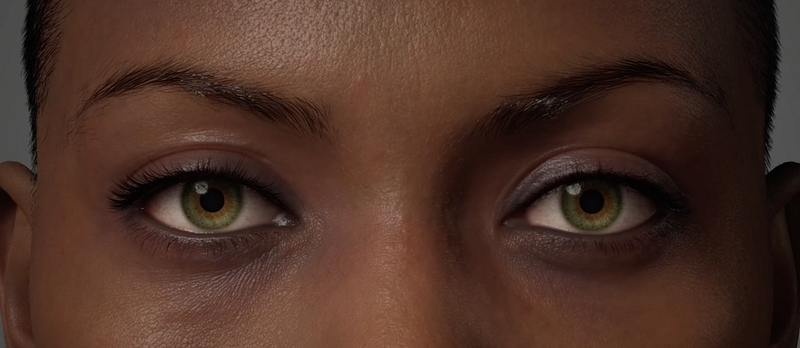
Generating a character like this makes it so much easier to look them in the eye and see what they’re about. What they won’t bend on, what they’ll fight for, and perhaps even die for.
If this doesn’t work for you:
But if that’s a bit too much, you can stay in text adventures and use this one. There’s also a super detailed option. So detailed it includes a mini family tree and most traumatic childhood experience.
I promised more challenges, so it’s worth considering that your character's goals can often be opposed — they want different things, and depending on who the hero or protagonist is, this can frame a perfectly reasonable character as the villain.
And therein lies your stretch challenge; for the bravest out there, take one of our Heroes for Hire and reshape them as villains in your tale.
Challenge Requirements
Your story must:
- Focus on a character versus character conflict, and consider your conflict resolution over the next episodes if you’re writing Serial. Or leave the repercussions unknown. It’s up to you. Just think about it.
- Use the generators for more fun.
- Bonus Challenge for the brave: Take a hero for hire and make them your villain.
- Be a minimum of 300 words long, excluding the title, subtitle, and post-story bio/links. (We use Medium’s own word count feature.)
- Be fictional, even if it includes factual information or concerns.
- Use “Rumble” as one of your five tags.
“All conflict can be traced back to someone’s feelings getting hurt, don’t you think?” ― Liane Moriarty, Big Little Lies


