
Weaponizing Information
In a world flooded with information and a constant thirst for knowledge, the saying “knowledge is power” has taken on a whole new meaning. Nowadays, it’s pretty common to use information as a strong weapon against both real and imagined enemies. This idea isn’t exactly new — it goes way back in history. But what makes our time different is the crazy explosion of information that’s taken over our lives. With so much data out there, it’s getting harder to figure out what’s true and what’s not.
As we navigate this complicated world of information battles, we’re entering a new era that’s even tougher to handle. The rise of artificial intelligence (AI) is making things crazier, adding a level of sophistication to how facts are twisted and lies are spread. We’re at a crucial point in history where this information weapon has become an even bigger threat, shaking up society and messing with the truth itself.
This article is a journey through the history of information battles, from ancient tricks to today’s digital clashes. We’re going to break down the dangers of having too much information and how it messes with our heads. But the big deal here is AI in this information fight. The goal isn’t just to point out the problems — I also want to look at possible fixes. In this information age, being able to tell what’s true and what’s not, and using knowledge responsibly, might be the most powerful weapon we’ve got.
As we dig deeper into this, let’s remember that the battlefield of the 21st century isn’t about borders or traditional weapons. It’s a war of stories, a fight of ideas, and a competition for the thoughts and feelings of people worldwide. Welcome to the era of “Information Warfare.”
The Evolution of Information Warfare
Throughout human history, using information as a weapon has played a major role, in influencing the outcomes of wars, revolutions, and the destiny of nations. As we take a trip through history, digging into the evolution of information warfare, we discover its origins in the murkiest corners of human conflict.
Before we dive into its history, let’s get a clear picture of what information warfare is all about. At its core, it’s using information strategically to get ahead, shape perceptions, or achieve specific goals. This involves a bunch of tactics, from messing with people’s heads to cyber spying.
What is information warfare?
Information warfare is an operation conducted in order to gain an information advantage over the opponent. It consists in controlling one’s own information space, protecting access to one’s own information, while acquiring and using the opponent’s information, destroying their information systems and disrupting the information flow. Information warfare is not a new phenomenon, yet it contains innovative elements as the effect of technological development, which results in information being disseminated faster and on a larger scale. — Source
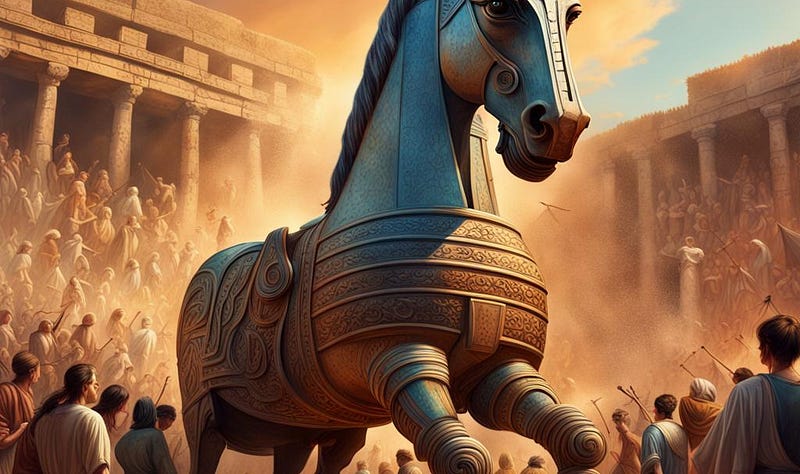
The roots of information warfare go way back to ancient times. One of the earliest instances is the whole “Trojan Horse” thing in Greek mythology. The Greeks pulled off a sneaky move, taking advantage of the Trojans’ trust. It showed how tricks and spreading false info could help achieve big goals.
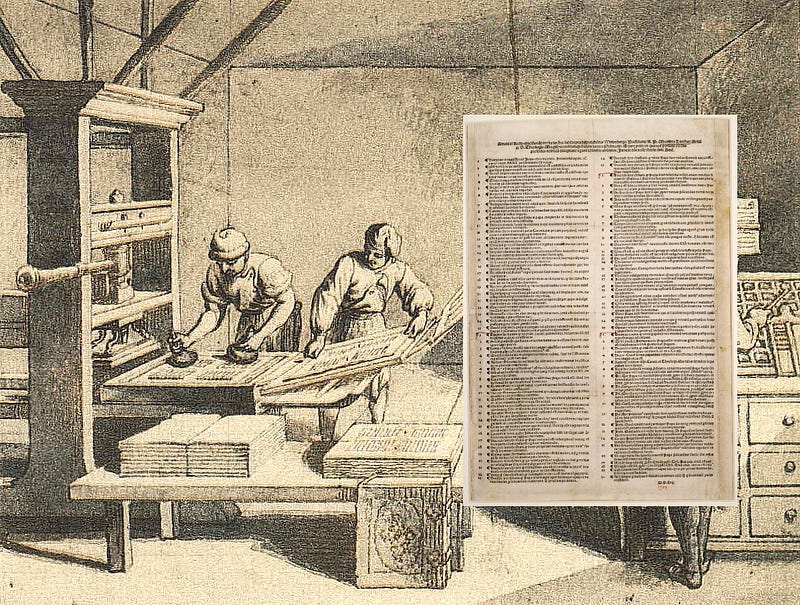
Fast forward to the Renaissance, and the printing press kicked off a new era of information sharing. Martin Luther spreading the Ninety-Five Theses using the printing press stirred up the Protestant Reformation, challenging the Catholic Church’s authority and showing how mass communication could be a game-changer.
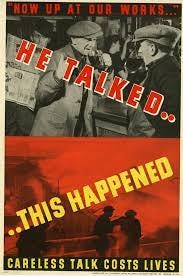
Information Warfare was also used in WW2 through posters, radios, and movies. We have been dealing with information warfare for centuries.
To meet the government’s objectives the OWI (Office of War Information) used common propaganda tools (posters, radio, movies, etc.) and specific types of propaganda. The most common types used were fear, the bandwagon, name-calling, euphemism, glittering generalities, transfer, and the testimonial. — Source
Fast forward to today, when we are dealing with a flow of information we can barely keep up with.
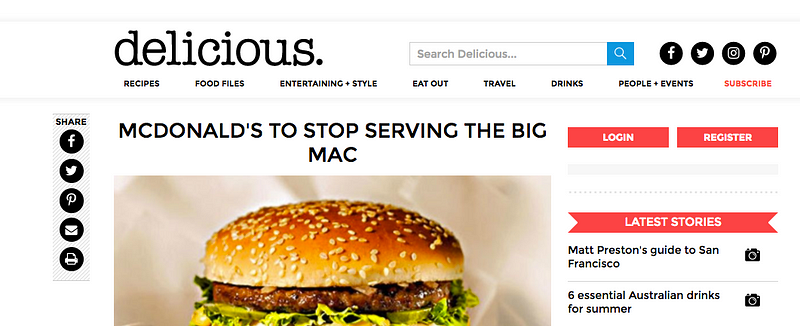
Nowadays, we’re dealing with misinformation like never before. Did you know that a whopping 85% of the world’s population owns a smartphone? Crazy, right? I get that the pic I posted above might not matter much to the average person, but it just goes to show how quickly false information can spread and how easy it has become to create and spread. It messes with people’s heads, causing confusion and making everyone wonder what’s actually true and what’s just made up.
The Digital Age
Jump to today, and we’re in a whole new league when it comes to information warfare. The internet and digital tech have completely changed the game. With the world super connected, spreading both real and fake info has become a global thing. The 21st century has turned information warfare into a powerful force in global affairs, going beyond national borders.
The UK’s vote to leave the European Union, or Brexit, in 2016 is considered another example of information warfare, where Russia saw an opportunity to weaken the EU. While Russia’s level of interference is still a matter of debate, many suggest it was significant. For example, a sample of 1.5 million tweets related to Brexit showed that 30% of the tweets came from just 1% of accounts. — Source
In this digital age, messing with information through disinformation campaigns, cyberattacks, and social media tricks has become the norm for countries, groups, and even individuals. Quick info spreading, whether true or not, can mess with elections, stir up social unrest, and make people lose trust in institutions.
As we step further into the digital world, it’s important to know that information warfare isn’t just something for spy agencies and governments. It’s become a thing for everyday people and groups with all sorts of motives, making this a tricky and high-stakes game.
In the next parts of this article, we’ll look into the challenges of dealing with too much information, the rise of AI, and the big impacts of these changes. The history of information warfare gives us a background to understand what’s going on in our world today.
The Age of Information Overload
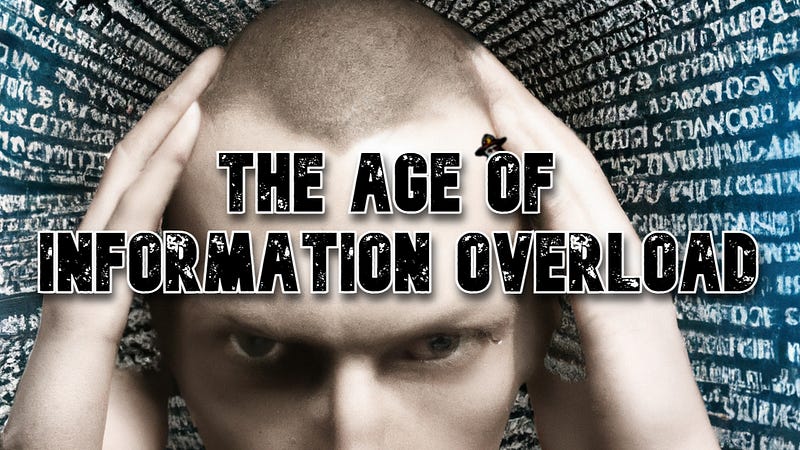
In the 21st century, our lives are filled with information. From the moment we wake up to when we call it a night, we’re hit with a constant flow of data. It’s a bit of a mixed bag because while info can open our eyes, it also has the potential to overwhelm, confuse, and even trick us.
Info Overload
Never before have we had so much info at our fingertips. Thanks to the internet, smartphones, and social media, we’re swimming in a sea of information. News, opinions, facts, and made-up stuff keep pouring through the digital channels that are everywhere in our lives.
TikTok — 34 million videos uploaded a day.
Facebook — 4.75 billion items are shared by Facebook users each day.
YouTube — Around 3.7m new videos are uploaded to YouTube every day.
Twitter — Roughly 500 million tweets per day.
News Articles — Between 2–3 million a day
TikTok Source, Facebook Source, YouTube Source, Twitter Source, News Source
The amount of data is mind-blowing. Every minute, millions of tweets, hours of videos on YouTube, and a ton of articles, blogs, and status updates flood the web. In this time, knowledge isn’t something limited, it’s like this never-ending sea, and we’re just small boats trying to navigate it.
Figuring out the Truth In this flood of info, there’s a big challenge. How do we know what’s true and what’s made up? Misinformation and lies thrive here, often pretending to be real news or expert opinions. Being able to look critically at sources, double-checking info, and having good judgment is super important for anyone living in the modern world.
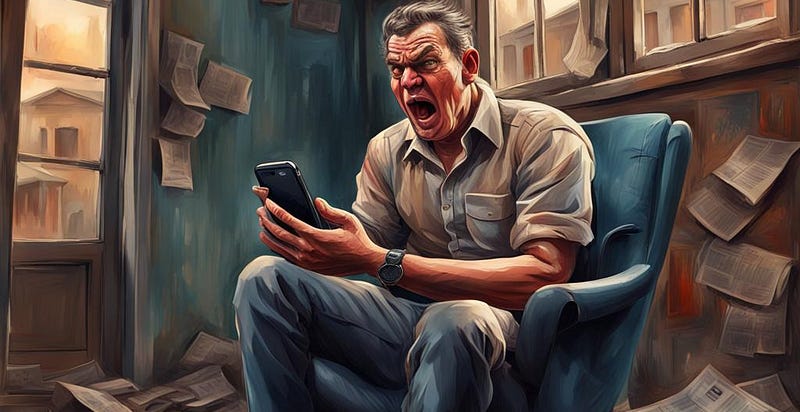
Our minds aren’t really built to handle all this info every day. Biases, like believing things that fit with what we already think, can make us accept info that supports our views and ignore stuff that goes against them. In this kind of situation, false info can stick around and cause problems.
Mental Effects
Getting hit with all this info, especially when it’s conflicting or over-the-top, messes with our minds. Too much info can tire us out, mess with our thinking, and make our attention spans shorter. The stress of dealing with all this info can even mess with our mental health, causing anxiety and info-related issues.

Plus, being bombarded with super emotional content all the time can split up societies. People end up sticking to sources that agree with them and avoiding anything that challenges their views. This creates a sort of bubble where communities split apart and it’s hard to find common ground in a time when we’re drowning in info.
In the next part, we’ll look into how artificial intelligence adds to this already tricky situation, making info overload even more challenging and dangerous. As we navigate this crazy sea of data, being able to think critically and understand media has never been more important. It’s like the only anchor that can keep us steady in the wild waters of the digital age.
AI and the Escalation of Information Warfare
As we look ahead into the future, there’s this tech thing that’s shaping up to change the game in information warfare, artificial intelligence. AI is like a powerhouse that can handle a ton of data, come up with convincing stories, and mess with content. It’s got some cool opportunities and potential, but it’s also bringing some serious risks to the world of information warfare.
AI’s Roll in Information Warfare
Artificial intelligence has become a big deal in the world of information warfare. It’s awesome at analyzing massive amounts of data, spotting patterns, and guessing what people might do. AI-powered algorithms are behind recommendation engines and platforms that spread content, quietly shaping the info scene without users even realizing it.
Nearly 50 news websites are ‘AI-generated’, a study says. Would I be able to tell?Source
One pretty freaky thing about AI in information warfare is its ability to automatically create and spread fake info. Take deepfake tech, for example — it can make super convincing audio and video that messes with our ability to tell what’s real and what’s fake. As this AI-made content gets better, the chances of fake news spreading like wildfire get way higher.
Deepfake Tech
A Whole New World Thanks to AI, deepfake tech has hit a level where it can slap the faces and voices of big shots onto made-up situations that look real. This opens up serious risks, like creating fake videos of political leaders saying crazy stuff or simulating business bigwigs giving out false financial info. The fallout from these fakes is massive, wrecking trust in real sources and causing chaos in the info world.
Deepfakes go beyond just messing with politics and money. People’s lives and relationships can get messed up big time by using AI to create fake content. The line between what’s real and what’s made up is getting blurred, putting reality itself in jeopardy.
AI-Made Content
Pumping Out Misinformation AI doesn’t stop at deepfakes, it’s also into making all kinds of content. AI algorithms can whip up articles, tweets, and even academic papers that sound like they’re written by humans. This lets AI flood the scene with loads of fake info, making it hard for fact-checkers to keep up and saturating info channels. AI can be used for good and bad. It just depends on how you use it. It is a powerful weapon for good and bad. The point is that you can never know and the technology is only getting stronger. Make sure to always do your research and make sure the information you are receiving is true.
As AI gets fancier, it can fine-tune its fake info for specific groups, playing on individual beliefs and biases. This super-targeted fake news is a serious threat to keeping society together, pushing communities apart, and messing with what we all agree is true.
In the next sections, we’ll dig into what happens when information warfare meets AI, looking at how it messes with society and politics, raises national security worries, and wrecks trust. With AI stepping up in this game, we need to rethink how we fight fake news and commit to developing AI in a way that’s ethical and responsible. In a world where tech can make its own reality, keeping the truth intact is a must for keeping society standing strong.
The Consequences of Information Warfare
In the ongoing battle of information warfare, the fallout goes way beyond the digital scene. Playing with information strategically can reshape politics, put national security at risk, and, sneakily, chip away at the trust that holds our societies together.
Impact on Society and Politics
The impact of information warfare on how we live and do politics is huge. In the digital age, fake news campaigns can hit millions in just seconds, changing public opinions and driving wedges between different groups. Social media, meant to bring people together, has accidentally become a way to spread fake news and divide people.
In the 2010s, personal data belonging to millions of Facebook users was collected without their consent by British consulting firm Cambridge Analytica, predominantly to be used for political advertising. — Source
Elections are especially vulnerable to information warfare. Foreign players, local political movers, and interest groups use the quick-spreading nature of social media to push propaganda, create chaos, and mess with how people feel about voting. Elections, big decisions, and political stuff all around the world have been shaped by spreading lies and stirring up conflicts.
National Security Worries
Information warfare is a big threat to national security. Besides messing with politics, it can directly target important stuff like infrastructure, government stuff, and military actions. Cyberattacks and spreading lies, especially when backed by a country, can mess up essential services, leak sensitive info, and even start conflicts.
Turning information into a weapon can make global tensions worse, leading to big diplomatic problems or even wars. In a world where everything is connected, the line between regular fighting and information warfare gets blurry. Countries need to put their money into cyber defenses and come up with good plans to deal with these info threats.
Trust Going Downhill
Maybe the sneakiest thing about information warfare is how it slowly kills trust in societies. As fake news spreads, people start doubting news sources, big institutions, and even each other. The whole “fake news” thing makes it feel like everything’s up in the air, and telling what’s true from what’s a lie becomes a real challenge.
In the next part, we’ll check out some ways to fight information warfare, like getting better at understanding media and using tech solutions. Facing the big fallout of this digital battle, it’s pretty clear that keeping the truth safe, making sure our countries are secure, and keeping society together all depend on us navigating the tricky waters of information warfare in a smart way and as a team.
Combating Information Warfare
As we face the challenges of information warfare, it’s crucial to come up with smart strategies to lessen its impact. Fighting against fake news and misleading info needs a mix of education, tech solutions, and ethical thinking.
Media Literacy
The best way to stand against information warfare is by boosting media literacy. Giving people the skills to check info sources, spot biases, and judge if something is trustworthy is key. Schools, from the early years to college, should make media literacy part of what they teach.
Media literacy efforts should also reach adults and folks who might be more at risk. Public campaigns can help everyone become smarter about the info they come across, making it harder for manipulators to mess with them.
Tech Fixes
Using AI Wisely Even though AI has helped spread fake info, it also has the potential to fix things. AI-powered systems can spot and flag shady content, figure out if videos or pics are deepfakes, and check how credible news sources are.
Social media and tech companies need to put money into AI tools that fight fake news on their platforms. These tools don’t just take down harmful content, they also give users clear info about where stuff comes from and how true it is.
Rules and Ethics
Dealing with information warfare through rules is tricky. We’ve got to strike a balance between protecting free speech and stopping bad stuff. Governments, tech companies, and groups in society need to work together to make rules that are fair.
Being clear about why content is taken down and giving people a way to appeal decisions is super important for social media platforms. Governments can make laws that hold platforms responsible if they don’t do enough to stop fake info that puts people at risk.
Global Team Effort
Information warfare doesn’t care about borders, so countries need to work together. Sharing info about threats, fighting against fake info campaigns, and setting standards for fair behavior online is crucial. I know at the moment the world is divided but I am hoping one day we can all work together to better ourselves, our planet, and our children's future.
Global plans to fight information warfare can show a strong stance against bad actors. Diplomacy should aim to make agreements about how we use the internet, kinda like how we did with arms control in the past.
Encouraging Ethical AI
The folks who create AI have a big job in this fight. They need to put ethics first, making systems that care about truth, are clear about how they work, and can be held accountable. While AI can make deepfakes, there should also be tech that spots and proves if something is real.
Our ability to keep the truth safe, protect society, and stick to democratic values all depend on everyone working together to fight against turning information into a weapon in the digital age.
What exactly is the truth though? Do you know? How long does it take for information to become so hard to decipher you do not know what is real?
Final Thoughts
In the end, it all comes down to sticking to the truth — it’s the foundation of our society. If we stay focused on finding the truth, no matter our political or cultural differences, we can beat deception. Nowadays, the battlefield isn’t about physical weapons but about hearts and minds, the reliability of our information, and the core of our democratic way of life. If we protect the truth, use technology wisely, and build global resilience against misinformation, we’ll come out of this digital mess even stronger and more united.
The future is ours to shape, and it begins with the choices we make today. The information you share can change the thoughts of many so make sure that the information is true and you have the facts to back it up.
Please like, follow, and comment to help my page grow.
Check out my website for all my content and to learn more about Crypto!
Earn With Hatty — Earning
Learn With Hatty — Learning


