
We Wash Up on the Shore
Now the easy part begins
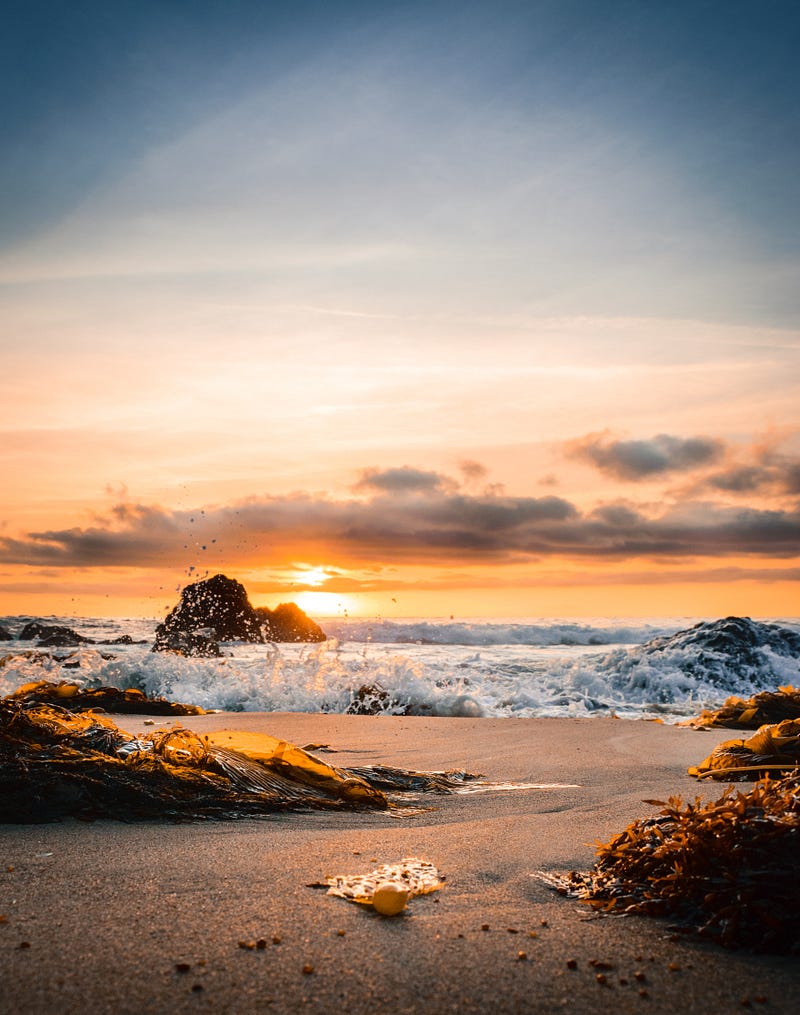
What I expected no longer matters — never did. Living the plans, enjoying soars and falls, Was my death grip on dreams and reality.
I wash up on unknown shoreline, Tangled in seaweed, gasping for breath With my truest, best, and worst panting beside me On unknown, unknowable shoreline Strewn with strange, sparkling wonders.
Blithely tossed or deliberately cast, We are here: waterlogged, wretched, and wary With niggling suspicion we’ve survived the worst, Swum through the hardest parts and lived Stories we cannot put into words.
What if this is just the beginning of our story? We’ve made it through wild seas, plummet plunge Into murkiest, coldest, horrific depths With silent, darkness slithering promises We never needed surface air, light, joy.
Once hearts have slowed and eyes can see, we raise ourselves from scouring sand To survey, to assess, to bless being here at all. Our ship is long gone and so is how we used to be. Who are we when we’re past the hardest part?
I am rereading Virginia Woolf’s Mrs. Dalloway and cannot stop thinking about the rich, memorable foreword by Maureen Howard.
Howard writes about the story of the novel, the post-World War I era, and Virginia Woolf herself, as person, artist, and visionary. This passage quoted from Woolf’s own writing haunts me:
“…so I have to create the whole thing afresh for myself each time. Probably all writers are in the same boat….One ought to sink to the bottom of the sea, probably, and live alone with ones words.” — Virginia Woolf