
We Still Have So Much to Learn From a Hundred-Year-Old Vaccine
Can a vaccine with 100 years of history still surprise us?
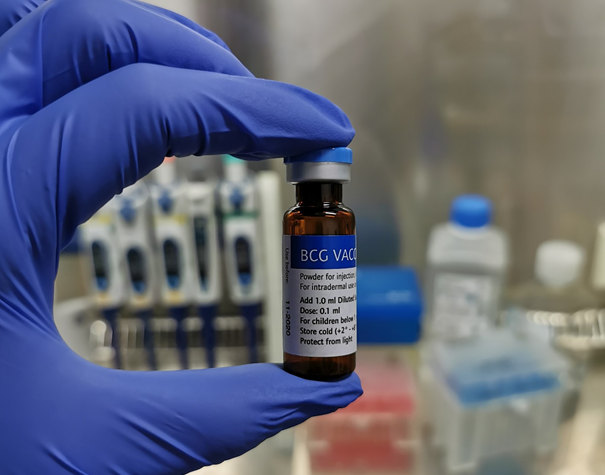
A hundred years ago, in 1921, two French scientists were convinced that the tuberculosis vaccine they had developed was safe for humans. The scientists Albert Calmette and Camille Guerin named the vaccine after themselves as Bacillus Calmette-Guerin (BCG) at the end of 13 years of continuous efforts.
The first jab was given to a baby whose mother was died from tuberculosis shortly after the labor. The vaccination campaigns started around the world in the next decade. Currently, BCG is the most widely used vaccine globally, with nearly 4 billion doses in a year. It has been 100 years since its first use in humans, but we learn something new about it every day.
Mycobacterium tuberculosis is a deadly bacterium and “the world’s top infectious killer,” according to the World Health Organization (WHO). 10 million people fell ill with tuberculosis in 2019, and 1.5 million people die each year. It spreads via aerosol droplets and mostly affects the lungs. BCG offers protection against it with more than 50% efficacy. The vaccine’s efficiency reaches 70–80% in children while it is lower in adults.
We don’t look concerned about tuberculosis, even though the number of deaths by tuberculosis is a bit less than COVID-19-related deaths, which is 2 million. Really, why are we not concerned?
I could come up with some answers. It’s one of the oldest known diseases in the world, and we’ve basically learned to live with it. Besides, the risk is not the same across the globe. Africa, the Middle East, and parts of Southeast Asia are considered high-risk regions. If you live outside of these regions, you might not even have heard about it before. There are also antibiotic treatments available to cure the disease. However, these don’t change the fact that bacteria causing tuberculosis is still a significant threat to humans.
Let’s forget about these concerns for some minutes and talk about more exciting things regarding the BCG vaccine. Research in the last couple of years taught us that BCG is more powerful than we’ve initially thought. This vaccine can educate our immune system to better defend us against pathogens. Wait, isn’t that what all vaccines do? Yes, but here we talk about a broad range of protection, which is not only limited to tuberculosis.
Maybe it would be nice to give some background information before diving into details.
Know your immune system
We can divide the immune system into two parts: the innate and adaptive immune system. The innate immune system only recognizes the shared components of microbes such as their cell wall, presence of RNA or DNA. It quickly produces effector molecules that are broadly effective in stopping the infection. The adaptive immune system, on the other hand, can distinguish numerous different pathogens from each other and make antibodies specific to these pathogens; however, the response develops slower.
Suppose you are infected with SARS-CoV-2 or influenza. In that case, your innate immune system will only recognize the presence of RNA in both viruses and produce similar effector molecules to combat them. Yet, your adaptive immune system can distinguish these viruses and develop specific antibodies for each of them. These two parts complete each other: if your innate immune system works well, the burden on your adaptive immune system decreases so that they can clear the infection easier and in a shorter time working together.
How vaccines work
Vaccines generally carry the whole pathogen or a component of it, e.g., a protein, DNA, or RNA, making our adaptive immune system identify it and establish a quicker defense against that particular microbe in the next encounters.
For instance, if you get a hepatitis B vaccine, your immune system will learn the hepatitis B virus, producing antibodies that bind and make the virus ineffective in case you get infected with it later. Therefore, vaccines target the adaptive immune system, and the vaccine-induced immune response is highly specific to the pathogen carried by the vaccine. That was what we had known until scientists discovered that some vaccines can also offer non-specific protection.
Epidemiological studies show that certain vaccines carrying live-attenuated microbes such as BCG, measles, and polio can decrease mortality in children by protecting them against non-specific infections. Among them, BCG is the oldest and most studied vaccine for its non-specific protective effects. As a researcher working on immune system training by BCG vaccine, I’m thrilled to explain more.
BCG vaccine trains the immune system
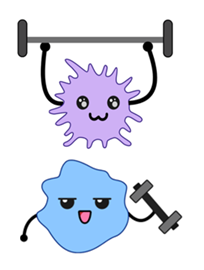
Imagine that you are a boxer, getting ready for a fight. You need to strengthen your muscles and practice a lot to win. As your coach prepares you for the upcoming fight, BCG vaccine trains your innate immune system cells, making them stronger, along with teaching the adaptive system how to produce antibodies against tuberculosis. Trained cells can produce a better response against viral and bacterial infections. And like I told you before: if your immune system gets stronger, your adaptive immune system can work more effectively to clear to microbe from your body.
Although the mechanism is not very clear, BCG vaccination alters the bone marrow, where the innate immune cells are produced, reshaping the cells’ metabolism and chemical molecules on their genes. The protection offered by BCG is thought to last at least 1 year, but longer follow-up studies are needed.
From infections to cancer to diabetes
Numerous studies investigated the diseases that BCG vaccines can be employed against. For instance, BCG has been used for cancer treatment for years since its approval for bladder cancer in 1970. An interesting study reports that repeated BCG vaccinations improved the health of people with diabetes. Remarkably, these patients were able to reduce the insulin dose they were using.
Infections due to pathogens such as yellow fever, influenza, and malaria are other examples that BCG could teach our immune system to more effectively combat against. Furthermore, decreased respiratory infections in babies, adults, and the elderly were reported in BCG-vaccinated people.
What about COVID-19?
After the pandemic has begun, researchers working on trained immunity around the world questioned whether BCG could be used against SARS-CoV-2, another virus causing respiratory infections. Clinical trials have started in multiple countries; most of them assessing BCG’s protection in two risk groups, healthcare workers and the elderly.
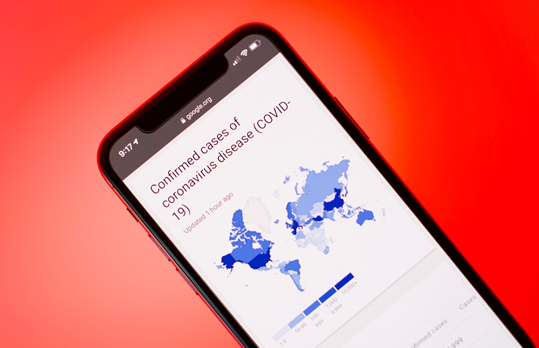
Some studies already announced or published their interim analysis results, although most of them are still ongoing. One study shows that BCG vaccination is safe to get during the pandemic. It can also reduce sickness and extreme fatigue that is most likely caused by the coronavirus. Another one reports that BCG is associated with a decrease in COVID-19 symptoms reported by healthcare workers, supporting the previous study. However, the interim analysis of a trial recently announced that BCG failed to protect the elderly against COVID-19 despite its efficiency against other respiratory infections in aged people. Whether BCG reduces the COVID-19-related symptom severity in the elderly is still under investigation.
The preliminary results indicate that BCG could lessen the severity of COVID-19, although it doesn’t prevent getting the disease. Since it decreases the risk of other infections, vaccination would be beneficial, reducing the hospitalization and burden on healthcare. But it is important to note that WHO only recommends BCG vaccination in countries with a high risk of tuberculosis. There is not enough data to indicating its effectiveness against COVID-19, as they stated in a report on 12 April 2020. Ongoing trials and future studies might change this.
It’s not a magical cure after all
It’s quite remarkable that a single vaccine can have the potential to reduce a lot of infections with very rare side effects. But not everyone, unfortunately, gets the same beneficial effects. Age, sex, and genetics are crucial factors affecting immune system training by BCG. The efficacy of many vaccines decreases with aging, and BCG is no exception. Genetic factors influencing training by BCG are still being investigated. If we know these factors, we can improve BCG’s non-specific protective effects by combining it with other vaccines, or drugs, or molecules.
There is still much to discover about BCG: how it works in the body, what else it can protect us against, and how we can increase its efficacy. Maybe it’s been 100 years since its first use in humans, but the research about it is getting more and more exciting.


