
We Need To Focus On Similarities Instead Of Our Differences To Come Closer To One Another
To make equality and injustice work, we have to see other things than we do now.
In the last few years, we are focussed on differences between human beings. We focus on the woman with red hair and freckles, and that most human beings don’t have that. You don’t see that often and you think it is strange and beautiful at the same time. Can we rhyme that?
Why are we focussing on the differences? Should we focus on the differences? Or should we focus on the similarities?
Why are we seeing the differences more often than the similarities?
Focusing on differences makes us more living in group boxes. It makes you think that the other group is not the right group, or that particular group is not what general is accepted.
In these days, in very rural times in the world, we need to focus on our similarities as human beings, instead of looking to what is not like your identity. It is even better: we are more alike than you will think. I mean, your skin tone will be different, but what about characters?
We are different but also the same.
Let me explain.
When you walk on the streets, you see two women walking arm in arm. The similarity is that they are both women. The difference could be their skin color, the color of the hair. The similarity could be their character alike. The similarity is that they both love singing, but one is an opera singer and the other sings in a rock band. Your mother’s new boyfriend is a painter, so does your sister. Even they are a different gender. Your mother's boyfriend likes the same book genre as you do.
These are similarities we must look for, just to get connected, and to stay connected. To fight this fight together, and not only black people. Black people need white people's on deck, and not on the sideline.
Sure, there will be differences, and that is fine, and we must have those differences. We are unique in every way, but we have to look more and more for the similarities to feel the connection between people.
Similarities are, in my view, also the characters you want to have from other people, or that habit others have that you want to have.
I remember as a kid I wanted to feel the hair of black people when someone passed me in the crowd. You just can’t do that, but the idea that I loved their black hair, is in my opinion a compliment.
I wanted to have their determination as well. How black people fight their fight and fight for their justice and want the equality they deserve! I didn't have that, I believe.
I never stood still with the similarities and was focussed on the differences between people. Like I have freckles, but you have blonde hair. And that is something we see with our eyes, instead of looking for the character we admire as the similarities.
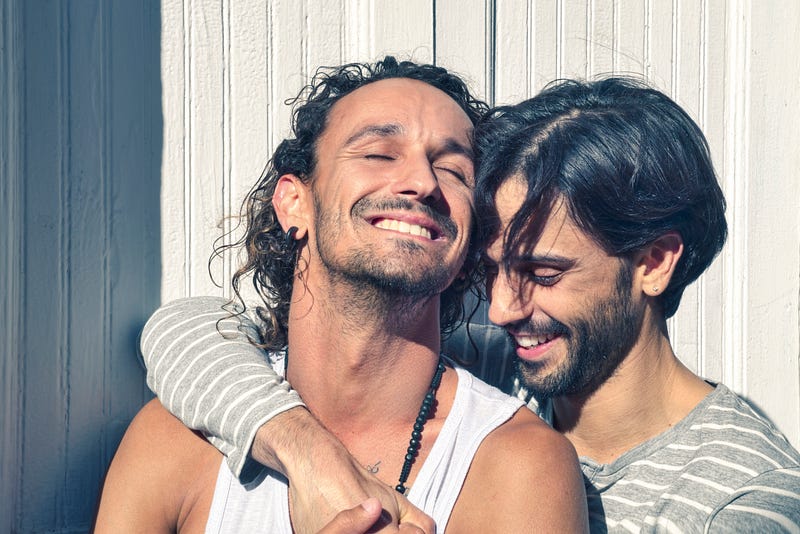
Do you remember those two guys walking hand in hand? Well, that is just because of love. They found each other of the similarities they have and they like of each other. They know they have differences, but they embrace it all from each other and love each other for that and think about what they have in common.
I think we should define the differences to embrace the similarities. If we recognize the similarities between people than we can talk with each other to become closer. We need that, we need that, to become closer. It is not easy, but we have to. We have to for our children, for their future.
But how we come closer to each other with the differences we have, but at the same time seeing the similarities? Just by listening carefully. We need to relearn to listen carefully, not judging other people by the first impression as we do more often the last ten, twenty years. Which is a shame?!
Your roots make you who you are. Your parents raised you in a way they thought it was right, but they were also raised in a certain way that was good for them. But when they don’t act towards groups they learn you not to do so.
I want that we all embrace the differences, just to know our similarities as human beings by facing the facts, as well, that we need to work on ourselves to act better to those groups who are underprivileged, such as black people, LGBTQ+, middle and lower class, and you name it which are underprivileged.
When you are facing those issues, you will get the mental illness as it is one of the issues people have because of the differences that are pointed out by people in your environment, instead of the similarities. Those people feel insecure about themselves. When you are feeling insecure you develop a mental illness.
We — white people need to look back on how we have talked and acted.


