
We Need Education on Digital Literacy and We Need It Now
And Finland has it all figured out.
Recently, the term digital literacy has been ringing in my ears for a while and I can’t make it stop. It seemed like such a simple concept but it’s been lost for a lot of people. When I wrote I Don’t Need The News, I Have Facebook, it was when there was a noticeable shift on my timeline in regards to false news, information and conspiracies and it obviously bothered me.
When I first noticed this era of conspiracy theories was around 2015 when I was in university, all sorts of in-depth articles on my Facebook newsfeed about the American and UK government. It was so convincing I thought it to be true — safe to say I got out of it when I started questioning the nature of these posts and why. It was all for Brexit.
I had these images in my head of these old uncles and aunties on Facebook, passionately writing out their beliefs in what’s happening in the government and why no one should be trusted. Following that, in my point of view, came to a full shit show and here we are. A Donald Trump and a Boris Johnson later, digital illiteracy is still a major concern in my eyes. It’s so easy to believe everything that you read online and many buy into everything they read. Maybe it’s just easier to believe because research takes time and effort.
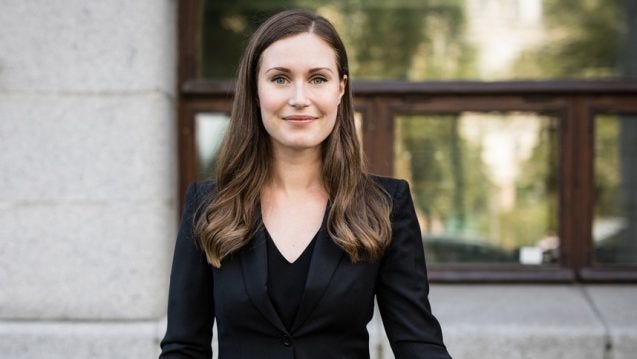
In my awe of women in politics such as Jacinda Arden and Alexandria Ocasio-Cortez, how they constantly show that they are a force to be reckoned with is extraordinary. When I read about Sanna Marin, I was even more astonished — the youngest Prime Minister elected at age 34 from Helsinki. She was sworn into office in December 2019 and leads a cabinet dominated by women, an environmentalist and understands the power and importance of social media.
Often we hear in politics — especially when it’s directed at young women — the idea of inadequacy, inexperienced, “ambitious,” emotional, you name it. The list can go on and on. It was so refreshing for me to see these young women take politics by storm. When AOC opened up on Desus & Mero how her opponent was blackballing her in the community, she started going door-to-door and used bodegas to help spread her candidacy throughout New York. In Netflix’s Knock The House Down, she’s in the communities and giving the people a voice as she listened to their needs. Sanna Marin, on the other hand, had a society educated on digital literacy on her side.
Finland is said to be one of the leading countries in fighting against fake news in educating their children about the internet from primary school to adulthood. In schools, they are taught to be critical thinkers, evaluate and assess the information that is being fed to them. Their goal is for students and politicians alike to fight against fake news.
Information that goes around is important, it’s meant to use our psychology against us and when we doubt the main institution that is meant to protect us, who are we suppose to turn to? Kari Kivinen, the pioneer of literacy programmes, believes that no one is too young to assess the information they come across. Their literacy programme is governed by 30-member, all of which are high-level committee members that represent 20 different branches of government ministries that include the police, civil servants, teachers and even librarians.
“Kids today don’t read papers or watch TV news, which here are OK,” he said. “They don’t look for news, they stumble across it, on WhatsApp, YouTube, Instagram, Snapchat … Or more precisely, an algorithm selects it, just for them. They must be able to approach it critically. Not cynically — we don’t want them to think everyone lies — but critically.”
They don’t use the term “fake news” but rather use words such as mistakes and misinformation. Because even I have to admit, fake news does have a way of reeling you in even though you’re supposed to deflect it. In teaching young children to be more analytical in regards to information about democracy, they’ll know the right thing to do. Which brought them, Sanna Marin.
In the age of the internet, critical thinking is an essential skill that everyone needs to have. We have seen what false information can do to democracy — for example, QAnon actually believes that Trump is the knight in shining armour that the world needs to save the children from being trafficked.
Elections matter, votes matter. I wonder all the time on how the leaders we have now have been elected into office and since the pandemic, I’ve been on my phone twice more than I usually would be (bad I know but I get bored), I finally realise that it’s because people believe the false information that’s being fed to them.
We’re beyond blessed to be living in an era where information is at our fingertips, we are able to see the injustices happening in front of us via our screens, but it all ends with nothing if we don’t use it to our advantage. The idea of fact-checking seems to simple, but at the same time so elusive to certain people. We, as a society, need to be more critical, because cynicism won’t get us nowhere.


