avatarKesh Anand

Free AI web copilot to create summaries, insights and extended knowledge, download it at here

3743

Abstract

p><p id="1a81">The same arguments can be applied to Michael Jackson, who so indelibly changed the DNA of modern music — but has the <a href="https://www.npr.org/2019/03/05/699995484/michael-jackson-a-quarter-century-of-sexual-abuse-allegations">cloud of child abuse</a> lurking over him; or that leading light of 20th century Surrealism, Salvidor Dali, a known <a href="https://www.openculture.com/2018/03/when-the-surrealists-expelled-salvador-dali-for-the-glorification-of-hitlerian-fascism-1934.html">sympathiser of fascism</a>.</p><p id="b83d">Should we purge from our culture all works produced or inspired by these flawed heroes — our society and culture would be far poorer for it.</p><h1 id="0b77">Deciding What’s Okay</h1><figure id="f5c9"><img src="https://cdn-images-1.readmedium.com/v2/resize:fit:800/1*4_IZw-XjhnQJ5-txl-QVRA.png"><figcaption>Credit: designer expert via <a href="https://thenounproject.com/icon/judgement-3559043/">thenounproject.com</a></figcaption></figure><p id="45cb">It is not particularly clear cut on what should or shouldn’t be regarded as okay. Before pronouncing judgement on the work, there are a few questions to consider:</p><h2 id="2425">Has the artist paid their penance?</h2><p id="6c06">Transgressors must have a path back to redemption.</p><p id="4d45"><a href="https://www.independent.co.uk/arts-entertainment/films/news/mark-wahlberg-racist-hate-crimes-wikipedia-history-george-floyd-blm-protests-a9554191.html">Mark Wahlberg</a> committed a number of hate crimes in the 1980s; the author of that most famous of hymns — Amazing Grace <a href="https://www.pri.org/stories/2017-04-30/complicated-story-behind-famous-hymn-amazing-grace">was a slave trader</a>; but both sought to turn a new leaf and make amends.</p><p id="35ba">If their works don’t seek to profit from their crimes, then there is no reason to mothball the art.</p><p id="2d79">This leads to the next point.</p><h2 id="ccb5">Does the work directly profit from or promote the heinous act?</h2><p id="6512">If someone perpetrates an act, then produces artistic content that directly relates to, and profits from it — this crosses a red line.</p><p id="5dbd">They should neither receive profit or adulation for such endeavours.</p><p id="a833">But if the work still has something important or powerful to say, it should not be mothballed. It could be de-platformed or otherwise de-monetised, but full-blown censorship is a dangerous path to pursue.</p><p id="3cc3">As the adage goes — those who forget history are doomed to repeat it.</p><h2 id="53fb">Was the author in line with their contemporaries?</h2><p id="61ea">If reading the works written by a white man from 18th century America — it would not be overly surprising to discover that they held racist and sexist attitudes (by today’s standards). While it may be disconcerting for a modern audience, it would be folly to discount their otherwise valuable work for this fact.</p><p id="281c">If however, their views and actions were judged extreme when compared to others of his day; and this clearly tainted their artwork (be it written, musical or visual) — then that is another matter.</p><h2 id="06ad">Was the work a collaboration?</h2><p id="1409">If a piece was worked on by a multitude of contributors, it would be unfair to penalise them all for the failings of one.</p><p id="31c5">Perhaps the profits could be distributed differently, or parts of the proceeds could be re-diverted toward victims.</p><h1 id="ba72">We already divorce art from artists</h1><figure id="99a4"><img src="https://cdn-images-1.readmedium.com/v2/resize:fit:800/1*uDxfuuSpYdwgTwyy1QPROQ.png"><figcaption>Credit: via Vectorstall via <a href="https://thenounproject.com/icon/creative-3664868/">t

Options

henounproject.com</a></figcaption></figure><p id="e6a3">Part of the reason people take injury is that they feel like they are somehow complicit in an artist’s transgressions by enjoying their work.</p><p id="4343">This however is too long a bow to take.</p><p id="6e90">There are hundreds of religious chants for example for whom there is no known author. Many a literary or poetic piece can be attributed to “Anon”. Whether it is because the author was never credited or their names have simply been lost to the ages is irrelevant.</p><p id="385f">Despite not knowing anything about the author (who may have been either the most saintly or vile of humans); we enjoy the work.</p><p id="4d17">Further, art by its very nature has a life of its own — beyond the creator. The appreciation of creative works is not <i>just </i>about what the author intended, but what it means to you as the audience.</p><h1 id="a3e9">Conclusion</h1><p id="7d89">People are multi-faceted. Good people do bad things and bad people do good things; everyone has transgressed in some way throughout their lives.</p><p id="844c">This is even more true of artists who are often extreme personalities.</p><p id="0782">If we were to disregard creations by anyone found morally wanting, then our lives would be very much poorer for it.</p><p id="2a84">While we should not look to celebrate terrible actions, we must still look for opportunities to take the good from the bad.</p><p id="f5e3">Art should be separated from the artist.</p><p id="b557">What are your thoughts? Have I missed any significant points to consider?</p><p id="a86d">Let me know in the comments below!</p><p id="f128">You may also like:</p><div id="ebdf" class="link-block"> <a href="https://extranewsfeed.com/we-don-t-need-to-cancel-cancel-culture-but-we-must-temper-it-a5d6908c5180"> <div> <div> <h2>We Don‘t Need To Cancel Cancel Culture But We Must Temper It</h2> <div><h3>Cancel culture helps bring the elites to account but with great power, comes great responsibility</h3></div> <div><p>extranewsfeed.com</p></div> </div> <div> <div style="background-image: url(https://miro.readmedium.com/v2/resize:fit:320/1*PfQ50SVPQhn5r2vRFrl3jA.png)"></div> </div> </div> </a> </div><div id="0bb0" class="link-block"> <a href="https://readmedium.com/you-dont-need-to-believe-in-god-to-be-part-of-a-religion-81cacea840c3"> <div> <div> <h2>You Don’t Need To Believe In God To Be Part of a Religion</h2> <div><h3>Religion is not just a faith, but also a tribe and set of philosophies</h3></div> <div><p>medium.com</p></div> </div> <div> <div style="background-image: url(https://miro.readmedium.com/v2/resize:fit:320/1*pFO0ZwY2XvUdoVKgouVERg.png)"></div> </div> </div> </a> </div><div id="f0dc" class="link-block"> <a href="https://extranewsfeed.com/we-need-to-remove-statues-commemorating-historys-villains-581e353ce073"> <div> <div> <h2>We Need to Remove Statues Honouring History’s Villains</h2> <div><h3>They glorify villains and are a form of psychological oppression</h3></div> <div><p>extranewsfeed.com</p></div> </div> <div> <div style="background-image: url(https://miro.readmedium.com/v2/resize:fit:320/1*Vsn4ImheXIEl46PtUlMOGA.jpeg)"></div> </div> </div> </a> </div></article></body>

We Must Separate Art From Artists — Or Society Will Be Poorer For It

In the age of #MeToo and Cancel Culture — we need to ensure we don’t throw the baby out with the bathwater

credit: Adrien Coquet via thenounproject.com

For the first time in centuries we, the people, are bringing the powerful to account.

Abusers, racists and others guilty of crimes or otherwise unacceptable behaviour are being cancelled.

But what then, should happen to their creative works?

Is it still okay to enjoy the fruits of their labours? Or should they be removed from the light of day forever, and perhaps even destroyed?

The answer is that usually — yes you can, and in fact — should treat art separately from the artist.

There are four broad arguments for this position which we can discuss, in turn, below:

  • Creatives tend to be extreme personalities
  • We shouldn’t throw the baby out with the bathwater
  • We need a way to determine what is and isn’t acceptable
  • We already divorce art from artists in a myriad of ways

Artists come with baggage

credit: Adrien Coquet via thenounproject.com

Humans are imperfect, with many having a chequered past or elements to their personalities.

Those who create something out of nothing, or take things from “zero to one” are even more so. They are often extreme personalities or have gone through tumultuous life events.

These things take a toll on one’s psyche.

For some like Kurt Cobain or Van Gogh — this results in self-harm. For others, it might be tied to darker traits.

This does not excuse them but goes some way to explain things.

It’s hard to change the world working a 9–5 office job and living in the burbs with a white picket fence. If we restrict ourselves to only enjoying works created by the squeaky clean; then we’re going to miss out on an awful lot.

Throwing the baby out with the bathwater
Credit: Justicon via thenounproject.com

H.P Lovecraft is a famed author who founded the entirely new genre of cosmic horror. Over several generations, he has entertained millions and inspired a plethora of books, films, and video games.

He was also a racist.

A really bad one.

Should his work which has entertained and inspired so many, be purged from our collective consciousness?

What about derivative works which took some cues from his? Should they too be destroyed?

The same arguments can be applied to Michael Jackson, who so indelibly changed the DNA of modern music — but has the cloud of child abuse lurking over him; or that leading light of 20th century Surrealism, Salvidor Dali, a known sympathiser of fascism.

Should we purge from our culture all works produced or inspired by these flawed heroes — our society and culture would be far poorer for it.

Deciding What’s Okay

Credit: designer expert via thenounproject.com

It is not particularly clear cut on what should or shouldn’t be regarded as okay. Before pronouncing judgement on the work, there are a few questions to consider:

Has the artist paid their penance?

Transgressors must have a path back to redemption.

Mark Wahlberg committed a number of hate crimes in the 1980s; the author of that most famous of hymns — Amazing Grace was a slave trader; but both sought to turn a new leaf and make amends.

If their works don’t seek to profit from their crimes, then there is no reason to mothball the art.

This leads to the next point.

Does the work directly profit from or promote the heinous act?

If someone perpetrates an act, then produces artistic content that directly relates to, and profits from it — this crosses a red line.

They should neither receive profit or adulation for such endeavours.

But if the work still has something important or powerful to say, it should not be mothballed. It could be de-platformed or otherwise de-monetised, but full-blown censorship is a dangerous path to pursue.

As the adage goes — those who forget history are doomed to repeat it.

Was the author in line with their contemporaries?

If reading the works written by a white man from 18th century America — it would not be overly surprising to discover that they held racist and sexist attitudes (by today’s standards). While it may be disconcerting for a modern audience, it would be folly to discount their otherwise valuable work for this fact.

If however, their views and actions were judged extreme when compared to others of his day; and this clearly tainted their artwork (be it written, musical or visual) — then that is another matter.

Was the work a collaboration?

If a piece was worked on by a multitude of contributors, it would be unfair to penalise them all for the failings of one.

Perhaps the profits could be distributed differently, or parts of the proceeds could be re-diverted toward victims.

We already divorce art from artists
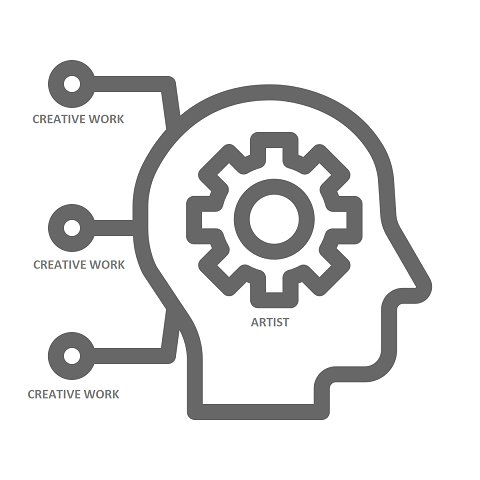
Credit: via Vectorstall via thenounproject.com

Part of the reason people take injury is that they feel like they are somehow complicit in an artist’s transgressions by enjoying their work.

This however is too long a bow to take.

There are hundreds of religious chants for example for whom there is no known author. Many a literary or poetic piece can be attributed to “Anon”. Whether it is because the author was never credited or their names have simply been lost to the ages is irrelevant.

Despite not knowing anything about the author (who may have been either the most saintly or vile of humans); we enjoy the work.

Further, art by its very nature has a life of its own — beyond the creator. The appreciation of creative works is not just about what the author intended, but what it means to you as the audience.

Conclusion

People are multi-faceted. Good people do bad things and bad people do good things; everyone has transgressed in some way throughout their lives.

This is even more true of artists who are often extreme personalities.

If we were to disregard creations by anyone found morally wanting, then our lives would be very much poorer for it.

While we should not look to celebrate terrible actions, we must still look for opportunities to take the good from the bad.

Art should be separated from the artist.

What are your thoughts? Have I missed any significant points to consider?

Let me know in the comments below!

You may also like:

Art
Culture
Debate
Society
World
Recommended from ReadMedium