avatarGabriela Trofin-Tatár

Free AI web copilot to create summaries, insights and extended knowledge, download it at here

2186

Abstract

e little hearts were cute!</p><figure id="79ce"><img src="https://cdn-images-1.readmedium.com/v2/resize:fit:800/1*qPLFa_FTcgMuawToKZWm2w.jpeg"><figcaption>Photo by Kiril Gruev: <a href="https://www.pexels.com/photo/a-bird-perched-on-a-bird-feeder-6386237/">https://www.pexels.com/photo/a-bird-perched-on-a-bird-feeder-6386237/</a></figcaption></figure><p id="80eb">The seeds were well-received by tits and greenfinches, and they were simple to grow indoors, so we were able to keep a continuous supply.</p><p id="a168">We managed to find black nyjer seeds, which are high in fat and oil. Because of their size, we grouped them with other seeds and placed them in an above-ground tray or plastic feeder. The goldfinches and siskins loved this small seed.</p><h2 id="3759">Peanuts</h2><p id="6213">Birds loved peanuts, but you had to pick them carefully. We always had peanuts in our pockets. To protect them from harm, we chose raw, unsalted peanuts.</p><p id="edbe">The fat and protein in peanuts drew a variety of birds, including tits, greenfinches, house sparrows, nuthatches, woodpeckers, and siskins. Robins, dunnocks, and wrens were drawn to the crushed or grated ones.</p><h2 id="448c">Fruits</h2><p id="10ee">To make our food more appealing to birds, we started including fruits like plums, apples, pears, and almonds. On ground-level bird tables, halved high-water fruits were a hit with waxwings, robins, blackbirds, and thrushes.</p><h2 id="6f6f">Fat</h2><p id="a0df">Because fat-based foods are essential, we made our own fat balls. Birds can replenish their energy stores by eating oats, cheese, dried fruit, nuts, seeds, and melted lard or suet. These fatty balls became a wintertime treat for birds when placed in feeders or on tables.</p><h2 id="a068">Protein</h2><p id="126e">Together with Atlanta, we went above and beyond with the usual bird food. We were very much into this project of ours and it showed.</p><p id="9c8d">As a winter bird food source, we even repurposed unused breadcrumbs, cheese, wheat, and cereal. In the harsh weather, cooked rice was extremely popular among the birds, and we knew the birds required protein. So we asked our grandma to cook som

Options

e rice for the birds! It was a very special request and my grandma helped us.</p><h2 id="4523">Water</h2><p id="a734">Birds need to drink as well. So we gave them water that was clean and fresh. For washing and drinking, we installed a makeshift birdbath. In the winter, a little plastic ball was used to keep the water moving and easily accessible so that it wouldn’t freeze.</p><figure id="cfd1"><img src="https://cdn-images-1.readmedium.com/v2/resize:fit:800/1*UhfIT90dTnGdo5LFq_xoog.jpeg"><figcaption>Photo by Janice Carriger: <a href="https://www.pexels.com/photo/close-up-of-a-northern-cardinal-19083462/">https://www.pexels.com/photo/close-up-of-a-northern-cardinal-19083462/</a></figcaption></figure><h2 id="abb4">Our clearing became a bird sanctuary</h2><p id="408f">During that winter, in my memory, Atlanta and I enjoyed caring for the birds in our forest. We would go often to the clearing to check on the birds, and if the weather was pleasant, we would even have a picnic together.</p><p id="cecd">This is how we transformed the wooded clearing near our grandparents’ house into a haven for birds.</p><p id="e6bd">This winter, I plan to do this with my kids and feed the birds in our forest. I hope there will still be many birds this winter.</p><p id="fb65" type="7">Are you also planning to care for the birds?</p><p id="8dfe">If yes, you can use the above guide I shared from our school project. We made so many memories together that winter. Let me know how it goes.</p><p id="d9a7"><i>Gabriela is studying to become a full-stack developer while being a mother of three small kids. This requires her to pay for some graduate programs and boot camps to gain experience. She is writing articles on <a href="https://medium.com/@chicachiflada">Medium </a>and <a href="https://chicachiflada.substack.com/">Substack </a>to inspire others and fund her journey.</i></p><p id="63b0">Do you enjoy Gabriela’s articles?<a href="https://www.buymeacoffee.com/chicachiflada"> Buy her a coffee</a> to support her work.</p><figure id="c7fa"><img src="https://cdn-images-1.readmedium.com/v2/resize:fit:800/1*bnDUdG-8TWa4IQVeVrjz1A.gif"><figcaption></figcaption></figure></article></body>

We Made a DIY Bird Buffet When We Were Kids

Our school project was to turn a forest clearing into a winter haven for birds
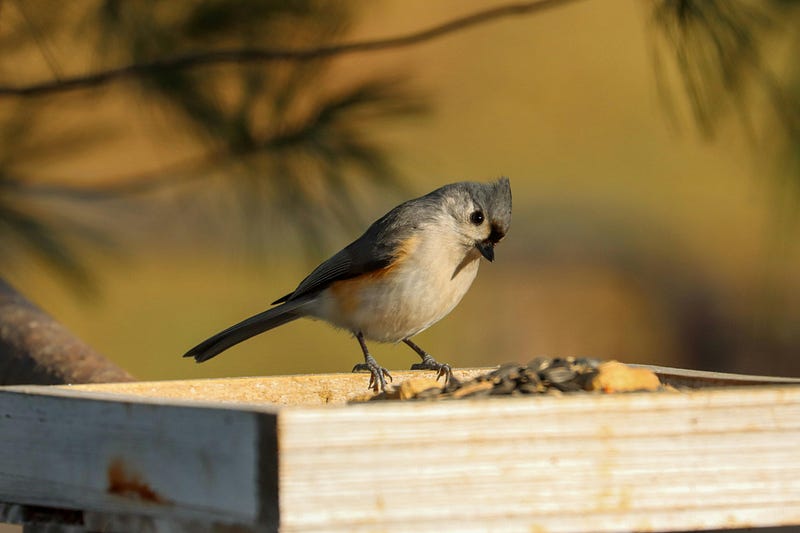
Photo by Sherry: https://www.pexels.com/photo/little-crested-bird-sitting-on-bird-feeder-11497197/

When we were kids, my cousin Atlanta and I had a seasonal project for our Waldorf school. We were to take care of the birds close to our house. We spent most of our time at my grandparents’ house, and close to it there was a forest.

I remember we were very excited about the whole thing and took lots of notes about birds and how to feed them. Here I will share with you the memories we made that winter when we were 9 years old.

One morning, as the fog gradually dissipated, my cousin Atlanta and I hurried to the clearing in the forest, donning our scarves, hats, and red-brown boots.

We set out to care for birds because winter was close and the little creatures needed care.

Particularly for smaller birds with a large surface area relative to their volume, surviving winter might be a challenge. We learned it in nature class at our beloved Waldorf school.

Because of the cold, the lack of light, and the quick loss of body heat, birds were defenseless throughout the winter.

We felt really responsible, and having a purpose felt special. We enjoyed looking after the birds in the woodland near our grandparents’ house.

Before the harsh winter hit, we needed to make sure they had food.

Seeds

We knew sunflower seeds were very good for the birds. The greater quantities of oil, protein, and unsaturated fat in black sunflower seeds made them a favorite of ours.

Sunflower hearts and broken seeds were ideal for bird-winter diets because birds didn’t have to peel the husks. Plus, the little hearts were cute!
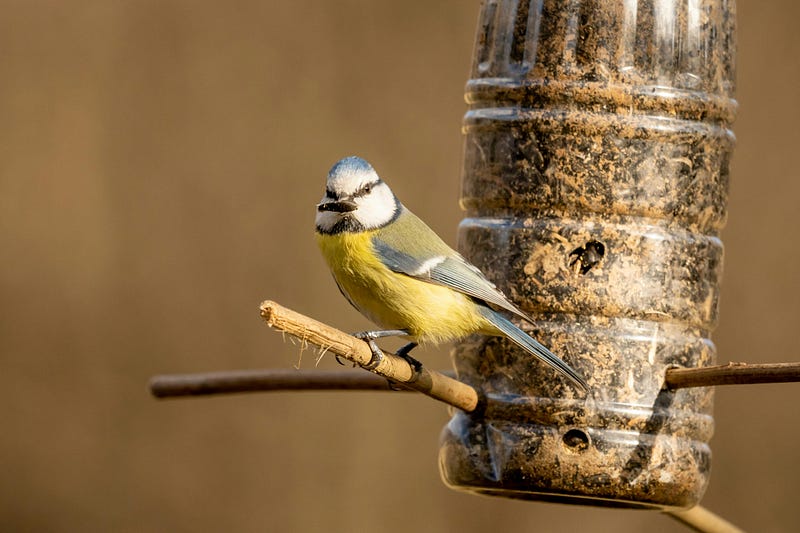
Photo by Kiril Gruev: https://www.pexels.com/photo/a-bird-perched-on-a-bird-feeder-6386237/

The seeds were well-received by tits and greenfinches, and they were simple to grow indoors, so we were able to keep a continuous supply.

We managed to find black nyjer seeds, which are high in fat and oil. Because of their size, we grouped them with other seeds and placed them in an above-ground tray or plastic feeder. The goldfinches and siskins loved this small seed.

Peanuts

Birds loved peanuts, but you had to pick them carefully. We always had peanuts in our pockets. To protect them from harm, we chose raw, unsalted peanuts.

The fat and protein in peanuts drew a variety of birds, including tits, greenfinches, house sparrows, nuthatches, woodpeckers, and siskins. Robins, dunnocks, and wrens were drawn to the crushed or grated ones.

Fruits

To make our food more appealing to birds, we started including fruits like plums, apples, pears, and almonds. On ground-level bird tables, halved high-water fruits were a hit with waxwings, robins, blackbirds, and thrushes.

Fat

Because fat-based foods are essential, we made our own fat balls. Birds can replenish their energy stores by eating oats, cheese, dried fruit, nuts, seeds, and melted lard or suet. These fatty balls became a wintertime treat for birds when placed in feeders or on tables.

Protein

Together with Atlanta, we went above and beyond with the usual bird food. We were very much into this project of ours and it showed.

As a winter bird food source, we even repurposed unused breadcrumbs, cheese, wheat, and cereal. In the harsh weather, cooked rice was extremely popular among the birds, and we knew the birds required protein. So we asked our grandma to cook some rice for the birds! It was a very special request and my grandma helped us.

Water

Birds need to drink as well. So we gave them water that was clean and fresh. For washing and drinking, we installed a makeshift birdbath. In the winter, a little plastic ball was used to keep the water moving and easily accessible so that it wouldn’t freeze.
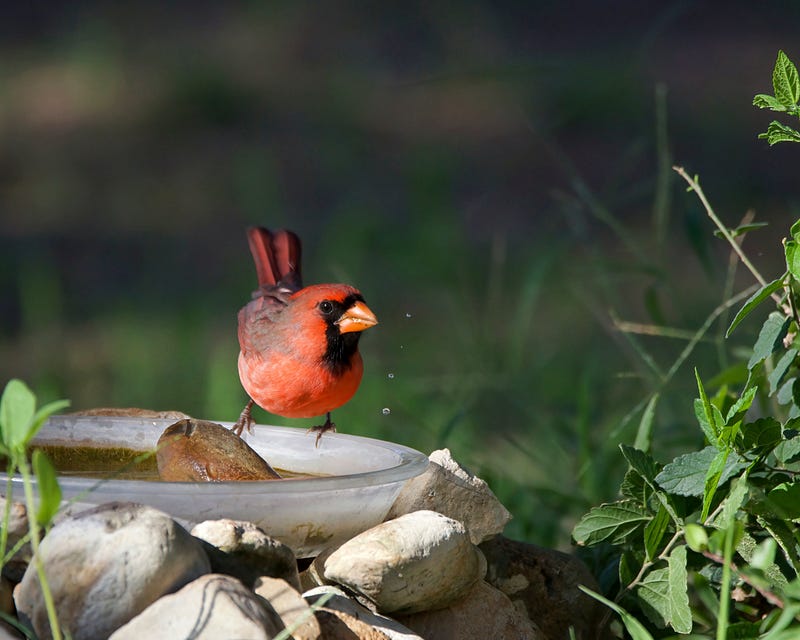
Photo by Janice Carriger: https://www.pexels.com/photo/close-up-of-a-northern-cardinal-19083462/

Our clearing became a bird sanctuary

During that winter, in my memory, Atlanta and I enjoyed caring for the birds in our forest. We would go often to the clearing to check on the birds, and if the weather was pleasant, we would even have a picnic together.

This is how we transformed the wooded clearing near our grandparents’ house into a haven for birds.

This winter, I plan to do this with my kids and feed the birds in our forest. I hope there will still be many birds this winter.

Are you also planning to care for the birds?

If yes, you can use the above guide I shared from our school project. We made so many memories together that winter. Let me know how it goes.

Gabriela is studying to become a full-stack developer while being a mother of three small kids. This requires her to pay for some graduate programs and boot camps to gain experience. She is writing articles on Medium and Substack to inspire others and fund her journey.

Do you enjoy Gabriela’s articles? Buy her a coffee to support her work.

Illumination
Bird Feeding
Memoir
DIY Projects
Waldorf Education
Recommended from ReadMedium
avatarJudy Haratz Cohen
The Floor Tiles

I am suing you!

3 min read
avatarNeera Handa Dr
Gadgets!

Stay away!!

2 min read