
We Have One Weapon In the Fight Against Colon Cancer
If undergoing a colonoscopy is known to save lives, why are we so hesitant?
Last week another vibrant and charismatic young actor was taken from us. The news hit particularly hard because of the powerful characters he portrayed. Only this time the culprit was not COVID, it was colon cancer.
Chadwick Boseman was only 43. At diagnosis, his cancer had already advanced to stage 3. He fought the disease silently for four years before succumbing at home in the presence of loved ones.
We are left shaken when young, promising lives are taken too early. The questions pepper our heads.
Why him? Wasn’t he too young for colon cancer? Could it have been prevented?
Unfortunately, we still don’t have a good grasp on how to prevent cancer. All we can do is attempt to lower the risk. But the good news is if colon cancer is caught and detected early, the survival rate is promising. For instance, the 5-year survival rate is 90% if the lesion is small and has not spread. This number drops drastically to 14% once cancer invades other parts of the body.
One of the best tools we have to detect colon cancer is a colonoscopy. However, it is estimated that 1 in 3 Americans who should be tested are not. Reasons for this vary — insurance, fear, and embarrassment have been cited, but the number one reason is that they simply don’t know about this potentially lifesaving test. We need to spread awareness about this routine screening before others succumb to this disease.
What is a colonoscopy?
During colonoscopy doctors, often gastroenterologists, use an instrument called a colonoscope to view the inner walls of the large intestine. The colonoscope is a thin, flexible tube that contains a video camera on one end. Doctors can then observe if the tissue looks healthy or if there are signs of polyps.
Polyps are areas of growth and can indicate that cells have begun to multiply. Many polyps are benign, but some will be precancerous. The beauty of a colonoscopy is that doctors can identify these lesions and remove them during the procedure. The entire process is considered an outpatient procedure and usually takes 30 to 60 minutes.
Who should obtain a colonoscopy?
Current guidelines recommend both men and women undergo a routine colonoscopy every 10 years beginning at age 50. However many experts want to lower this number to age 45. Colon cancer affects men and women equally and is the most common cause of cancer-related deaths in the United States. Fortunately, in large part to regular screening, the rate is dropping.
Some people may be at increased risk of developing colon cancer and they should talk to their doctor about undergoing colonoscopy earlier. These include individuals with:
- Family history of colon cancer
- Certain types of inflammatory bowel disease
- History of polyps in the past
Other than early cancer detection, colonoscopy can be a useful tool to rule out other bowel diseases. Consider discussing with your doctor if you experience:
- Unexplained blood in the stool
- Chronic diarrhoea or constipation
- Change in bowel habits
- Unintentional weight loss
- Abdominal pain
These may be signs of irritable bowel syndrome (IBS) or Crohn’s disease, and further screening may be indicated to confirm a diagnosis.
What about the dreaded bowel prep?
To obtain a clear view of the mucosa of the colon, the bowel must be empty. Doctors use medications with a laxative effect to be certain. There are many methods of bowel cleansing available. Your doctor will decide based upon your personal medical history and any allergies you may have.
Bowel prep usually begins the day before the procedure; you will be instructed to consume only clear liquids. When you begin the medication depends on the time of your colonoscopy appointment.
The most common regimen consists of drinking a mixture. The volume can be quite large because it is necessary to completely flush all faecal matter out of the colon. Most doctors will recommend splitting the solution into two parts, drinking half the night before the procedure and the other half a few hours before your appointment.
Other forms of bowel prep may include enemas, tablets, or suppositories.
Whichever method you are prescribed, the most important thing is to follow the directions exactly. Incomplete or incorrectly administered bowel prep medications may result in rescheduling your procedure.
What should I expect during and after the colonoscopy?
Most colonoscopies are performed as outpatient visits at your local hospital, but some may be done at speciality clinics. Upon arrival, you will likely have an intravenous line (IV) started. This is to hang maintenance fluids and also to administer injectable sedatives to keep you relaxed and comfortable. The sedative does not provide complete anaesthesia, you still breathe on your own, but you will not be aware of what is going on.
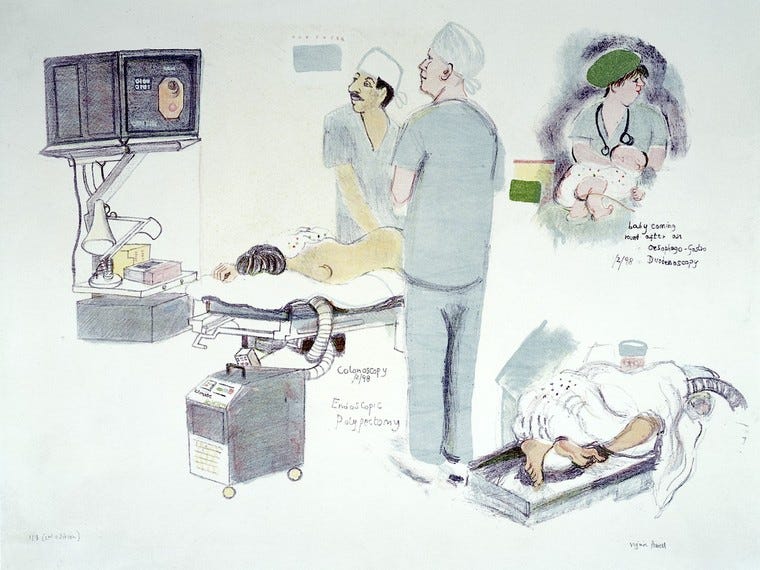
Once inside the procedural area, you will lay on your left side. This position can provide the highest polyp detection rate. The doctor will then insert the colonoscope and view the entire length of the large intestine on a video monitor. Any areas of concern will be biopsied and small polyps may be removed using special tools.
After the colonoscopy, you will rest in recovery until the effects of the sedative wear off and to monitor for any complications. Complications are rare but have happened. The doctor will share the immediate findings with you, but you may have to wait a few days for any biopsy results to return.
Most colonoscopies do not involve any pain, just pressure as air is introduced into the bowel. Until this air is naturally expelled, you may experience bloating or cramping. Most patients make a full recovery by the next day.

Preventative care
After the initial colonoscopy, guidelines recommend repeating every 10 years.
But what else can you do to protect yourself from colon cancer? The following suggestions are very general but may help reduce your risk:
- Maintain a healthy weight
- Exercise on a regular basis
- Do not sit for extended periods
- Quit smoking
- Limit alcohol consumption
- Aim for 25 to 30 grams of fibre per day
All of these tips would easily apply to most of our chronic illnesses and further shows how little we understand about the nature of the disease. We also do not know why cancer seems to strike the young and healthy among us.
For now, colonoscopy remains our best method of detecting colon cancer early and has been shown to increase survival rates. Please educate your loved ones who might be of age about undergoing this potentially life-saving procedure.