
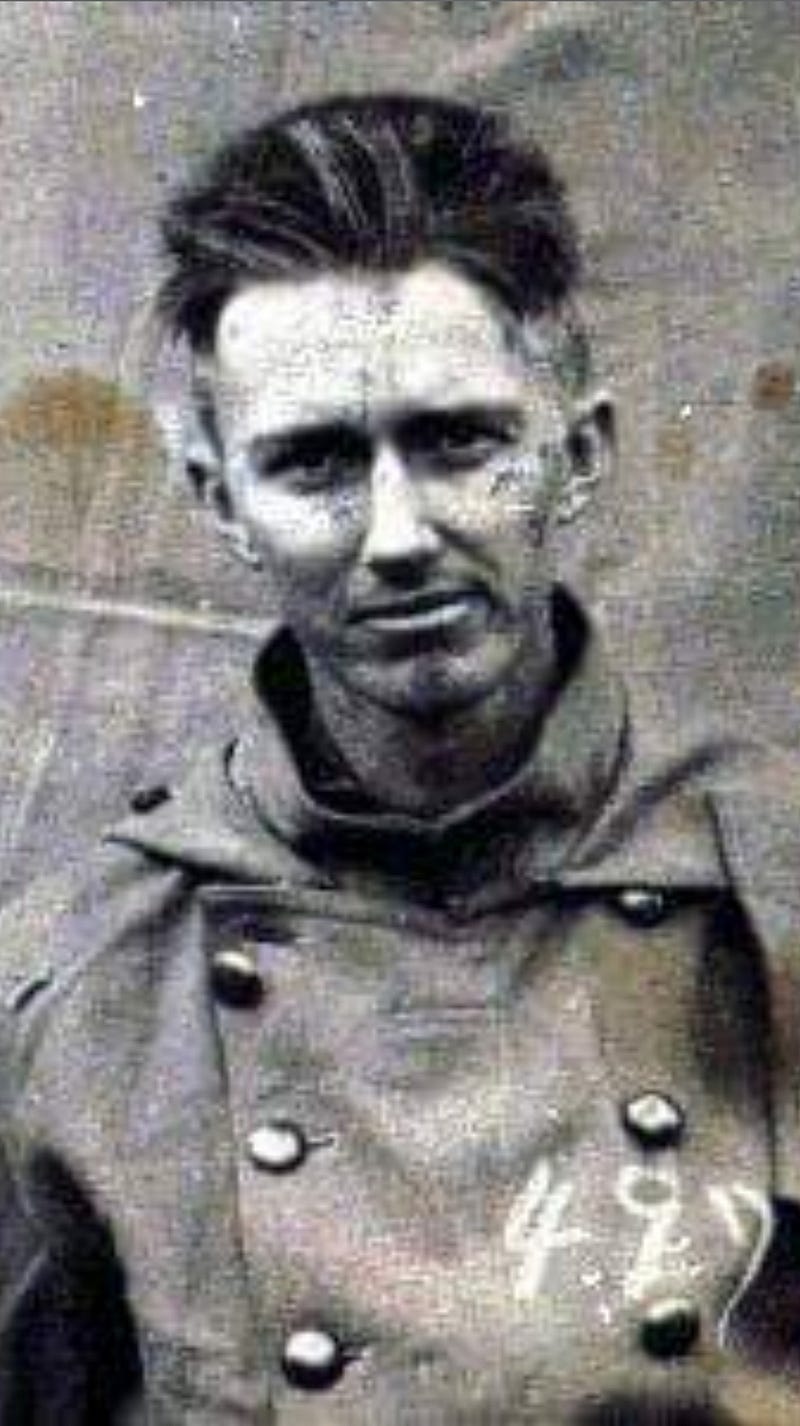
How I survived prison camp during World War 2
How I survived three and a half years of brutal Japanese captivity. Why did I? Many men died of inanition, they simply didn’t wish to survive. I saw men die on the Death March who, in my mind, were physically capable of surviving. Was it the indignity of their situation, the mental hurt of inhumanity right before their eyes? I can’t say.
To me, it was unthinkable to give up. I intended to live if at all possible. I cannot possibly tell you in a short explanation all I endured and survived, except whatever you have read, it happened to others and me. I did hard labor on a regimen of less food than the medical books say is possible to live on. I had almost every tropical disease, and diseases from malnutrition known and survived all without medical treatment. I am speaking about us, as well, those of us who survived together.
I worked in freezing weather with no heat, even at night, I have gone to sleep in the barracks with ice on my clothes that was still there the next morning when I went back to the docks to work. I was bombed, strafed, shot at with small arms, large artillery, hundreds of times. Some from our own forces! I was forced to shovel coal all day, lift up to two hundred pounds of coal-carrying it in bags attached to a shoulder pole, then walking up a plank with the weight to the lip of a coal freight car to dump, this with a broken vertebrae and a couple of broken ribs. I should have died in the death ward where they sent me and other prisoners to die, my weight at the time less than a hundred pounds.
I really don’t know why I survived, except I wanted to. At no time did I ever consider giving up. It was a seemingly impossible task, but many others and I did it. Some, of course, threw their lives away, because of trading food for cigarettes, or refusing to eat garbage. The worst is seeing men die for cigarettes.
Perhaps I lived entirely by will alone, or perhaps by my mother’s prayers, or maybe it was nothing more than luck, natural selection. I like to think, and I have convinced myself, that I have had something to do with it. I would quote Henley’s Invictus to myself and fantasize that I was really that person. Of course, at times I also remembered parts of the Rubaiyat. Of the Americans who made the Death March, less than twenty-five percent survived the War. Not to belabor you with reasons, I’ll simply say, I survived because I wanted to.
– George D. Idlett (World War II Japan POW and a Bataan Death March survivor)