
We Do Fill More than Just One Role
Why can’t we accept this for new moms, also?
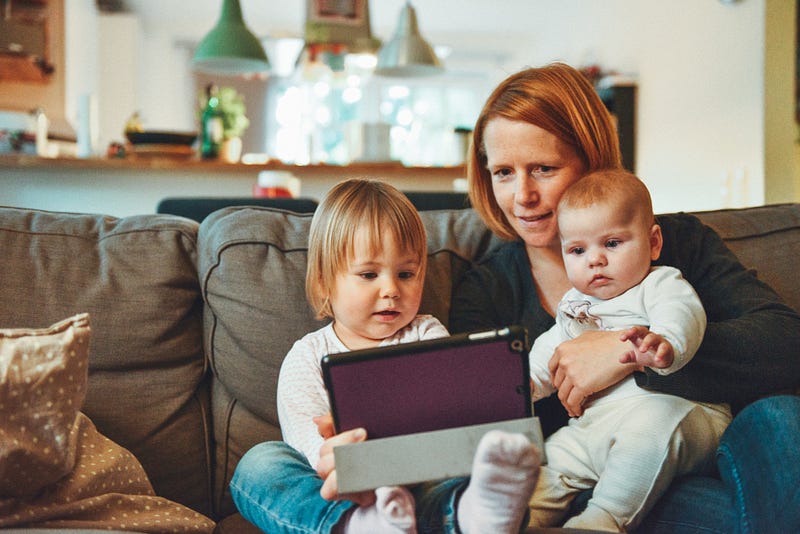
Mom’s of new-born children are facing many struggles. Not only have they performed the literal miracle of breeding and giving birth to a new human, but they also frequently have to explain themselves to others. Everyone and their uncle have an opinion about how the baby is dressed, whether or not one should be breastfeeding, and many comments about when the mom is going back to her job. As if a young mother becomes some kind of common good after giving birth, everyone feels obliged to share his opinion with her unasked and mostly unwanted.
To drop only a few lines:
You surely won’t abandon your kid and go back to work after only one year of being a stay-at-home mom, do you?
Why don’t you even bother thinking about work? You’ll be staying home for the next three or four years anyway.
What kind of raven’s mom* are you? Going back to full-time work when you have children?
Oh, is money some kind of an issue in your family when you and your man have to go to work?
Why is this kind of behavior so deeply rooted in our (the german) society? Why do we reduce newly mothers solely to their role as a mom and don’t even bother thinking about their life goals and dreams, even neglecting the fact they may have other plans in their life than just raising kids?
I mean, no one ever asked me (as a new dad) how I am going to manage my full-time job and my daddy duties. When I talk about my hobby (motorcycling), no one would even dare to ask me if I could instead spend time with my kid than pursuing my solo hobbies.
And yet, we do have no problem at all reducing women who just delivered a child to their role as a mom, as if they have nothing more to reach in life than giving birth and raising children. Middle age is over, guys.
There is a big difference between discrimination and division of labor. It has some advantages when one partner specializes in bread earning, and the other takes care of family duties. Split models also work; both partners share the earning work and the family work. That’s what daycare is for.
My point is, only the family itself knows best which model works for them. Many people (moms and also dads) are happy to be the stay-at-home partner. The same goes for working and earning. So why do we dare and judge a family, and especially the moms, for the model of splitting work they see fit for their life situation?
A good friend of mine, an engineer, has to work from home due to the pandemic. His wife, a doctor, has to work extra shifts for the exact same reason, so he has to manage way more of childcare and household work than her. Guess what, they are perfectly okay with this. Another good friend took the major share of paternal leave for their new-born as she is earning way more than him. In this case, the splitting of labor is economically reasoned and worked out perfectly.
So, let’s all just relax and let them figure out the way that works by themselves. The best piece of advice covering this issue I ever heard goes something like this:
Leave the family business to the family. All you can do is ask them if they need any help. They will thankfully reach out to you if they are in need.
*This is the literal translation of the german word Rabenmutter, which describes a mom who neglects their children.


