
We Are the Largest Army on the Planet
Caregiving is a way of life for me.
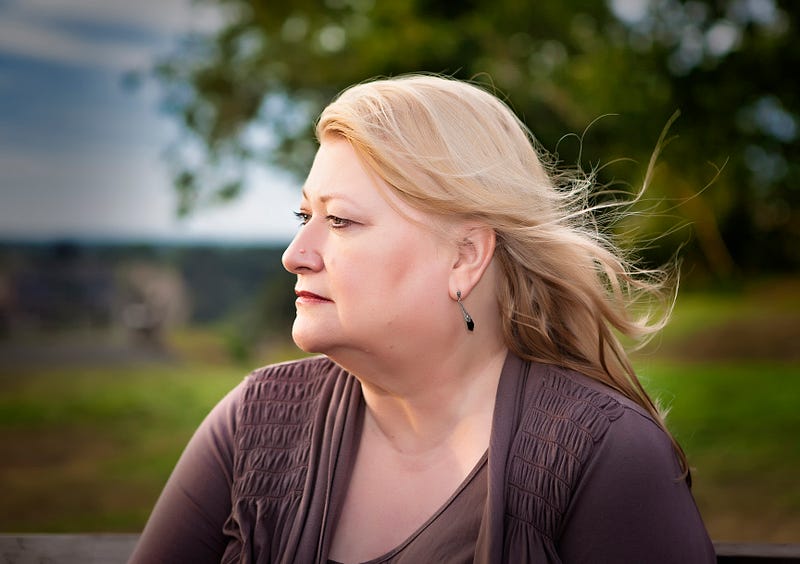
“There are only four kinds of people in the world. Those who have been caregivers. Those who are currently caregivers. Those who will be caregivers, and those who will need a caregiver.” ― Rosalyn Carter
“Please, go to sleep.” I sighed.
Twelve years old and taking care of my six-month-old colicky baby brother. Sometimes, I stayed up until 1:00 am and went to school with only six hours of sleep. Out in public, people thought he was my baby. I was silent as grown women would coo and hover over my brother and me.
This scenario became a reality at seventeen when I started caring for my baby girl. Then, twenty-three and married with two more babies. Divorced at twenty-eight with a total of three children.
Step on over to thirty-three with five children and a disabled grandbaby.
Forty-nine, now taking care of both parents until they pass.
Fifty and raising a granddaughter rescued from Philadelphia. Finally, sixty years old and I am a matriarch of twenty-three people at any given time and a couple of times all at once. (On holidays, that is.)
Caregiving is a way of life for me.
Sometimes, I find myself wishing for quiet, but it is elusive.
I have forgotten what it sounds like. I remember one time, while alone with my husband, I asked him, “Do you hear that?” The sound was deafening.
Can you guess what it was?
Silence. I had forgotten the enormity of the silence of sound. I reveled in its embrace.
Then it was broken when two grandchildren burst into the house shouting and bouncing, “Grandma, I’m here! I love you!”
What can I say?
Caregiving must be the purpose of my life on this planet. I have provided physical, emotional, and spiritual caregiving through all the years of tears and hugs, heartache and love.
One thing has changed, though. Health issues have restricted my caregiving abilities, and I no longer drive, cook, or clean. Sometimes, I need help to get dressed. My husband has taken over the role of caregiving for us.
Our case is not an isolated one.
We have become members of the Sandwich Generation. We are 20 million strong who care for aging parents and a child or grandchild. They can be broken down into three types of sandwiches, according to journalist Carol Abaya:
1. Traditional: Sandwiched between parents and their children.
2. Club Sandwich: Sandwiched between parents and grandchildren.
3. Open-Faced: Others caring for their elders.
I was a Club Sandwich for a while until my parents passed, then I transitioned to become one of the 2.6 million grandparents caring for a grandchild.
Caregiving for a grandchild usually involves a child in crisis.
After I began to care for my grandchild, I attended a Women Infants & Children’s (WIC) class to receive vouchers for formula. I noticed the entire class comprised grandmothers and children.
I spoke to several women and asked why they had their grandchildren. A common thread emerged from the conversation: the parents of these children were in jail on drug offenses, or on drugs and could not properly care for their children.
The tentacles of the opioid crisis have reached into the hearts and homes of generations of families.
According to Senator Susan M. Collins, the opioid crisis has fueled this phenomenon of grandfamilies. The heartbreaking truth is lives are interrupted for everybody involved.
For example, the child often experiences trauma, which may translate to physical care now, and/or emotional problems as they get older. In my case, we had to utilize therapy to help my grandchild deal with abandonment issues. She had a paralyzing fear of being left behind — at school or at home.
Also, there is no financial assistance available to caregivers.
If a grandparent takes it upon themselves to rescue a child or the child is abandoned, the grandparent bears the full responsibility of financial support.
However, if the children are in Child Services custody, they can be released to their grandparents. At that point, the grandparents can apply to be licensed as a foster parent.
Since I rescued my grandchild, the only recourse I have is medical care provided through the state’s Medicaid Program.
As you can see, my life as a caregiver has many facets, such as giving love and attention to parents and grandchildren. The causes of needing care are complex ranging from aging to illness to drug abuse.
Fear can play a devious role when faced with the task of caregiving.
You may fear you are not adequate for the job of trying to juggle medications, appointments, and work.
Caregiving takes money, and your finances are already stretched to the limit. You may be afraid that the child may be removed from your care. The list goes on and on.
If you are a stressed caregiver, reach out and talk to someone about your fears and questions.
Maybe, your pastor or someone in your church can volunteer to give you a few hours off.
Check with your insurance company; they may have a clause in the policy about respite care. There are numerous support groups online that can offer information and help you network the resources you need.
Prayer and meditation is another avenue of stress relief. I practice it every day to maintain my sanity.
Millions of caregivers pour out their lives in attending to those who are physically ill, mentally ill, aged, or in need of a home. Often, our voices are not heard because we have our heads down performing work no one else does or wants to do.
However, we are strong soldiers in an army of love, and we are armed with the gift of care. Together, we face the future and lift those who need our touch.
Here’s my Not-So-Usual-Guide to live happy!
Debbie Walker is a great-grandmother writer, blogger, and the creator of Middle-Pause & Forward Motion, the podcast STOMP!, and is writing two books. Stay in touch at [email protected]; follow her on Twitter; & Pinterest; listen to STOMP!