avatarCharlene Fate

Free AI web copilot to create summaries, insights and extended knowledge, download it at here

1287

Abstract

t does not mean that you will not be disappointed or hurt. You will face difficulties and it is okay to feel all the emotions that come with that. Being resilient means that you do not remain in that state. While you are hurting, the world is still spinning. People are still living around you.</p><p id="3118"><b>You will face the choice to wallow in that pain or to climb out of the pit of darkness and live again. You get to choose.</b></p><p id="2edd">Some people are born with a strong inner resilience that automatically puts them on the right track when things in life start to go astray. Others have to learn the tools to build resilience. We all have some ways of coping with challenges.</p><p id="6106">After losing my first child to cancer I learned to build my resilience toolbox early in life. I was young and ill-equipped to handle such massive responsibility and loss. I received counseling that started building my resiliency foundation.</p><h1 id="717b">Not all resiliency programs are the same.</h1><figure id="7fbc"><img src="https://cdn-images-1.readmedium.com/v2/resize:fit:800/1*sidSF3H4SN8hAJnOpfhfEg.png"><figcaption></figcaption></figure><p id="b293"><b>As we learn and grow we develop our individual resiliency plans.</b> My resiliency toolbox consists of self-c

Options

are, a spiritual foundation, and positive relationships.</p><h2 id="3fef">Self-care:</h2><p id="bf55">It is important to take care of your physical and mental health. Develop a healthy lifestyle. Know your limitations. Know yourself well enough to know when to ask for help. Take care of your mind and body.</p><h2 id="de7c">Spiritual:</h2><p id="557c">The world can be a lonely place. It is important to believe in something bigger than yourself. A strong spiritual foundation can help you remain emotionally fit when faced with life’s challenges. My most helpful spiritual asset is practicing gratitude. Any time I concentrate on what I am grateful for then life seems to shift into a more positive direction.</p><h2 id="347b">Positive relationships:</h2><p id="ed84">Healthy positive connections with our friends and families are the perfect safety net when things start to unravel. It is important to have people that we can vent to and share our experiences. It helps tremendously to have a strong support system of people that you can turn to and trust.</p><h2 id="f34c">Being resilient does not mean you are built of superhuman strength and you do not need help. Being resilient means recognizing when you need help and knowing where to turn to for that help.</h2></article></body>

We Are All Resilient

And here’s what that means.
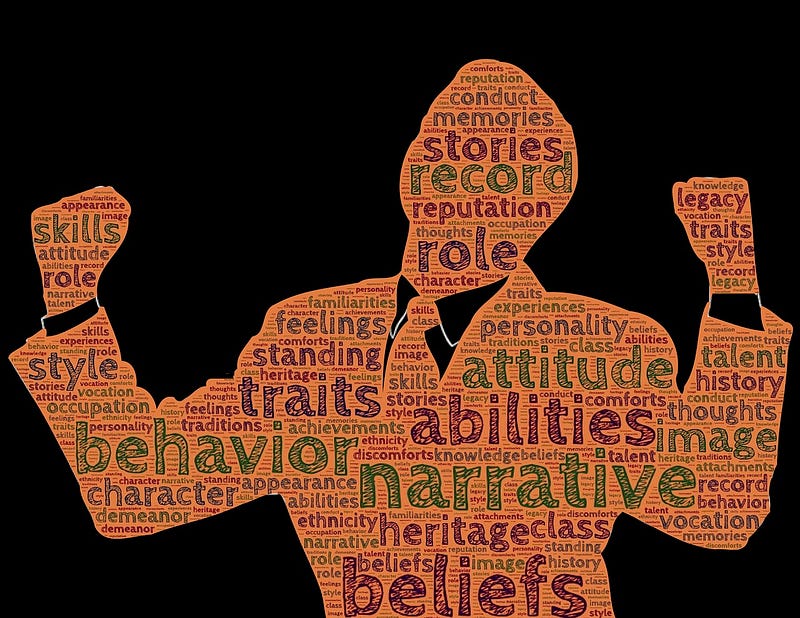
Image by John Hain from Pixabay

What is resilience? When I was in the Air Force I was taught that resiliency is the ability to bounce back from failures, tragedies, and disappointments. Resilience is important because it helps you cope with the inevitable dark moments in life. We all have them.

We will all suffer a loss or disappointment at some point in our lives. There will be times when our emotions go from one extreme to another depending on the difficulty we are battling. Let’s face it, there will be times when we are a blubbering mess and we don’t know where to turn.

“A good half of the art of living is resilience.”-Alain de Botton

Being resilient does not mean that you will not be disappointed or hurt. You will face difficulties and it is okay to feel all the emotions that come with that. Being resilient means that you do not remain in that state. While you are hurting, the world is still spinning. People are still living around you.

You will face the choice to wallow in that pain or to climb out of the pit of darkness and live again. You get to choose.

Some people are born with a strong inner resilience that automatically puts them on the right track when things in life start to go astray. Others have to learn the tools to build resilience. We all have some ways of coping with challenges.

After losing my first child to cancer I learned to build my resilience toolbox early in life. I was young and ill-equipped to handle such massive responsibility and loss. I received counseling that started building my resiliency foundation.

Not all resiliency programs are the same.
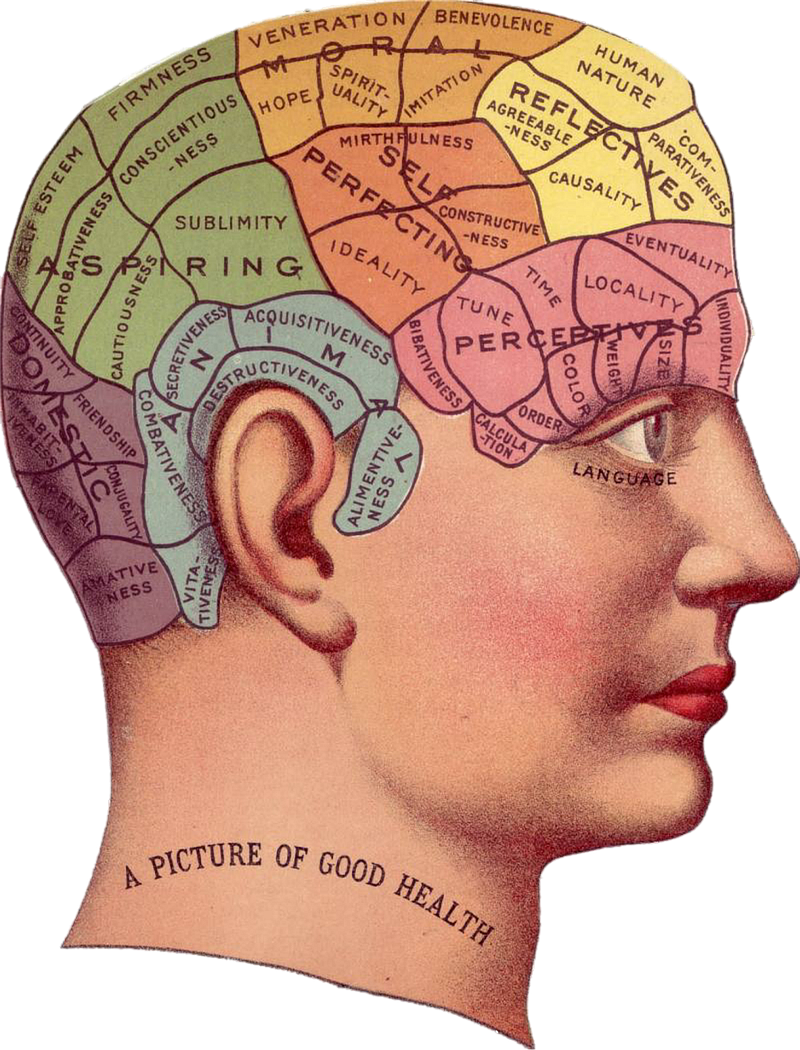
As we learn and grow we develop our individual resiliency plans. My resiliency toolbox consists of self-care, a spiritual foundation, and positive relationships.

Self-care:

It is important to take care of your physical and mental health. Develop a healthy lifestyle. Know your limitations. Know yourself well enough to know when to ask for help. Take care of your mind and body.

Spiritual:

The world can be a lonely place. It is important to believe in something bigger than yourself. A strong spiritual foundation can help you remain emotionally fit when faced with life’s challenges. My most helpful spiritual asset is practicing gratitude. Any time I concentrate on what I am grateful for then life seems to shift into a more positive direction.

Positive relationships:

Healthy positive connections with our friends and families are the perfect safety net when things start to unravel. It is important to have people that we can vent to and share our experiences. It helps tremendously to have a strong support system of people that you can turn to and trust.

Being resilient does not mean you are built of superhuman strength and you do not need help. Being resilient means recognizing when you need help and knowing where to turn to for that help.

Resilience
Mental Health
Self Improvement
Inspiration
Life Lessons
Recommended from ReadMedium