
We All Want Escape…And That’s Precisely The Problem
Social issues. Again? Run!
Here’s the thing about escapism. Some face personal dilemmas and because we’re all human, we just want a momentary breather, a pause. Watching a funny movie, going on vacation, hanging out with friends — for the purpose of avoiding burnout, these are healthy and recommended for our emotional well-being.
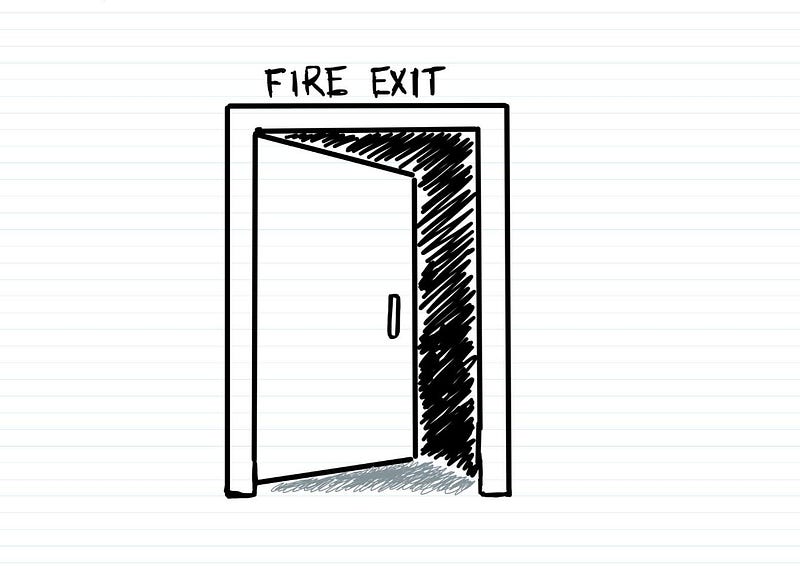
But not all stressors are just on a personal level. We deal with societal issues and some people are just sick of them.
Nightly news? Change the channel.
Family reunion? Don’t talk about religion or politics.
Someone’s Medium article using the term “societal issues”? Click out or close the tab.
And while we’re allowed to find a way out of the chaos (this is a free world), do understand that these societal problems will still be there.
If ever these are already gone after your retreat, know that you simply depended on someone else to address them. Don’t worry, this is not guilt-tripping or condescension. It simply is just a statement of fact. You wait until the coast is clear before you come out. You rely on someone else to remove something undesirable in your environment that would eventually make your life better in the future. Like most of us, you also think it’s a predicament and hope it gets eradicated, but you’re not the best person to bring the solution.
If reading those statements make you cringe or uncomfortable, then maybe they should. Those are the objective way of looking at what you prefer to do in times of crisis. Usually, our self-interest ends with one clause: “I have to prioritize my safety first…” But if you extend the thought further — “…so I just have to let others do all the work.” — this is where you get a wider view of your choice.
But what if everyone else also did what you did? And that there is no “someone” left to get the job done? Or if ever there were, their numbers were too small to bring an impact? This is where the tragedy of commons takes place. You, me, and everyone else try to run for escape.
I get it. Some people can’t stand the heat. And if there’s a burning building, it’s not their job to extinguish it. But more than the firefighters who are supposed to put the flames out, someone could call and alert the fire department. Someone could send a public service announcement about the situation. Someone could assist the elderly, the children, the vulnerable on their way out. And there are even some who choose to help with their pails of water. Actually, even way before the fire got worse, someone could have grabbed and used the fire extinguisher right away. It sure is helpful if everyone was aware of fire risks and first-response procedures.
Community effort. Community awareness. These lead to solutions. Will we only care as much when the fire hits home? Unfortunately, there is no fire exit from our societal problems.

Andrew Beso is a Manila-based content creator who is exploring different ways of sharing art — whether it be written, spoken, and visualized. Aside from being in Medium, his work can also be seen on Youtube, Instagram, and Tiktok.
He is using his undergraduate and master’s degrees in Economics and Political Economy, respectively, in discussing social issues through creative expressions.


