
We All Die
Hopefully Later Rather Than Sooner
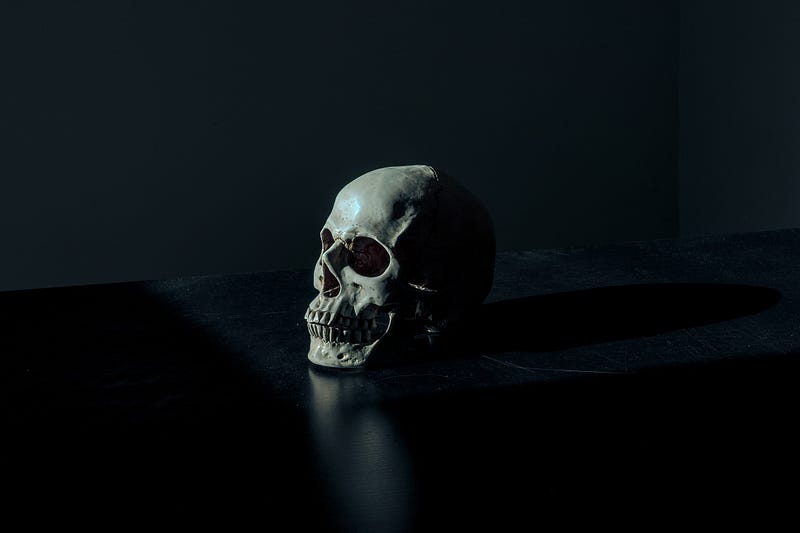
I will die later rather than sooner. That is the plan; but, of course, there’s no guarantee. I could go at any time, as Neil Finn (of Crowded House) so eloquently (and beautifully) put it. Of course, I along with millions of others, know that he sings about everybody except me.
Still, the following is indifferently (as in could not care less about my or anyone’s opinion) true: There is not a single person on this planet who is not going to die; this while the majority of us live on, wasting what time we have, secure in our immortality (this is especially true of teenagers — I know, I was once one of those strange creatures).
Of course, there is no need to turn morbid about this or to dwell on it, but unless we are utterly convinced that this physical world is all there is to existence (in which case, why worry since the end means the end, period — long, very long, night’s sleep), unless we are utterly convinced that all these pesky, unanswerable questions are just that, pesky and unanswerable.
Unless this is our take on things and we opt not to listen to our heart of hearts (free will and all that) which still insists on asking these questions (which sometimes annoys you); unless we really could not care less about that uneasy feeling brewed by our heart and distributed by our blood; unless all that is just superstition or ancient religion; unless we are sure about that: we do not have all the time in the world.
Annie Dillard once offered this wonderful advice to budding (or not so budding) writers:
Write as if you were dying. At the same time, assume you write for an audience consisting solely of terminal patients.
That is, after all, the case.
What would you begin writing if you knew you would die soon?
What could you say to a dying person that would not enrage by its triviality?
We are dealt a hand that includes eighty or so relatively productive years. Twenty (give or take) of these, at the front end of things, are usually spent doing nothing much but learning how to walk and read (and strutting our stuff — and, once we enter the land of puberty, chasing the opposite sex).
Another twenty or so of these are usually spent seeking and finding a better half to sprout some bairns with, including the actual sprouting.
The next twenty are usually spent planning for retirement and then actually retiring — not unlike treading water.
The last twenty (less a week or two) are then spent in blissfully boring retirement where pains now begin to come and go (and sometimes not go) and then we find ourselves in a hospital bed surrounded by sad-looking equipment and family.
The last week or two (the ones deducted in the paragraph above) are then spent wondering why we’ve wasted eighty years ignoring our heart’s pesky, unanswerable questions, which — it suddenly occurs to us — may not have been so pesky and unanswerable after all, if you had only listened and then asked them of yourself (and others) properly in order to seek some answers.
And then it’s too late.
© Wolfstuff


