
Watching Virtual Emulations of Nature Boosts Mental Health
Insights From Contemporary Psychological Research
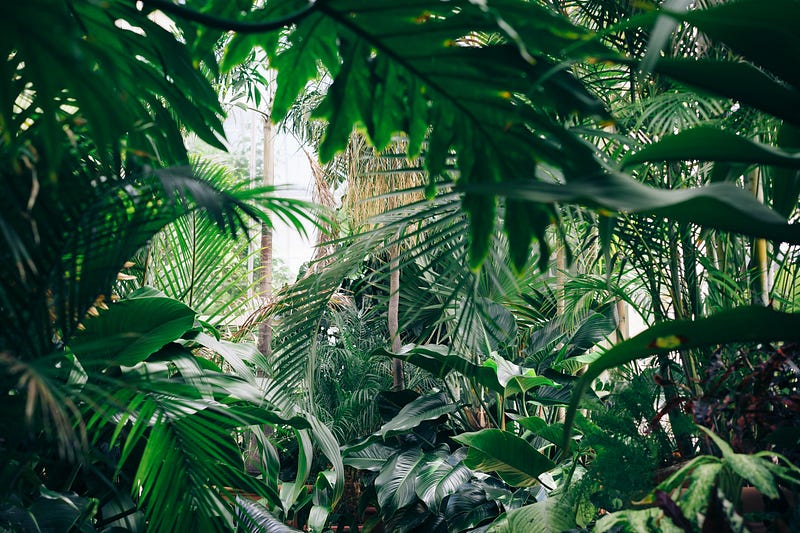
It sounds like common sense, but it’s true. A study conducted by researchers at the University of Exeter determined that experiencing nature through virtual reality and/or TV shows increases your connection to nature, generating positive emotions.
It seems the higher the quality of the show it was, the more a person was able to boost their mood, alleviating their sense of boredom. Given the state of the world today, it’s not surprising.
I mean, we’re still in the deep recesses of a pandemic and some people are spending a lot of time in extremely closed quarters. If a person is unable to travel, then they might do the next best thing, like watching immersive nature documentaries in surround sound.
Harking back to the study, 96 participants initially watched a video where an individual described their regular day at the office. The participants generally reported boredom.
Then, the participants were shown clips containing scenes of underwater coral reefs*. However, these scenes were shown in three different ways:
- First, by a 2D monitor of a high-definition TV screen
- Second, by watching through a 360-degree virtual reality (VR) head display
- Third, by computer-generated VR, where a hand-held controller was used
Of course, all three options helped to reduce negative emotions, including sadness and stress. However, the standout condition was the third condition, with its optimized and highly interactive VR experience, where participants reported the highest levels of happiness and connectedness to nature.
It seems that even with little access to the natural world, VR could help those who might be struggling, including those in long-term hospital care. These findings could also help the general public feel a sense of normalcy, especially as we still navigate the new norms of the world today.
Author’s Note:
*The researchers teamed up with the BBC’s Natural History Unit (NHU) to create these various conditions, where several scenes included seen and unseen footage from Blue Planet II. Perhaps more documentaries and larger sample sizes could have been observed.
For more articles from the author, please read:


