
Wasted Youth, and a Fistful Of Ideals
“I was a young boy that had big plans, now I’m just another shitty old man”
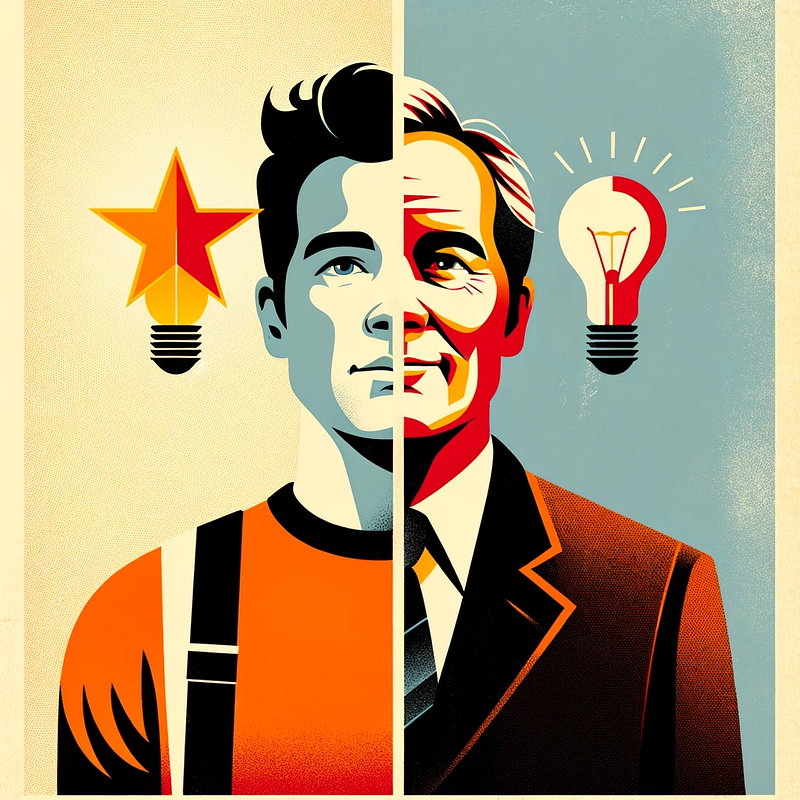
I was a young boy that had big plans Now I’m just another shitty old man (…)
[Chorus] Wasted youth, and a fistful of ideals I had a young and optimistic point of view
— The Grouch, Green Day
One minute you’re a 16 year old teen full of dreams.
Next, you’re in your early twenties, a young adult who is ready to change the world and has it all figured out.
You blink, and now you’re a middle-aged adult who has no idea what they’re doing and can’t even change their own life.
What happened along the way?
Is it maturity?
Or is it something else?
I’ve got some theories about this, though they’re just my own thoughts, not based on any science.
Accumulation of life experiences — when life takes over
By the time middle age rolls around, reality has fully set in. We’ve faced setbacks, our responsibilities have piled up, and our youthful dreams have often taken a back seat — if they’re remembered at all.
Life experiences — both good and bad — shape us, they mold our perspectives. Maybe we’ve seen a few too many plans fall through, or perhaps we’ve become demoralized by the bumps in the road.
Dealing with it:
- Embrace adaptability: Life is constantly changing, and so should we. Embracing adaptability means being open to new experiences and willing to adjust our course when necessary. Find strength in flexibility rather than rigidity.
- Seek continuous learning: Every experience, good or bad, holds a lesson. Remaining a lifelong learner helps us grow and evolve. This means not just learning from our own experiences but also from others’.
Accumulation of ‘bad choices’ — choices not aligned with ourselves
When we were 15 and messed up, life tended to be forgiving, unless we really messed up big time.
As young adults, we usually didn’t feel the full weight of our mistakes.
Chose the wrong major? You could just switch it. Picked the wrong friends? You had your whole life ahead to figure out who your true friends were. Back then, there was ample room to make corrections.
When we make ‘bad choices’, the consequences often don’t become apparent until much later. And by ‘bad choices’, I mean decisions we’ve made because of pressure, societal expectations, or what we thought was the best option at the moment. So, bad choices are simply choices not aligned with our interests and values, not aligned with our purpose.
I believe there are no inherently wrong decisions, as everything contributes to our personal growth, and every decision is there for a reason. However, it’s true that throughout our lives, we may not always choose what is genuinely best for us in the long run.
There are a few important things to keep in mind:
- The cost of not so great decisions when we’re younger may not seem heavy at the time, but we often feel their weight later in life, much like the effects of sun tanning. When you’re young, you enjoy your glowing tan skin, and only later you get to deal with the skin cancer.
- When you’re young and make mistakes, there’s more time to make amends.
- Reality doesn’t always align with your vibrant, youthful dreams. You may have expected things to be different, but this is how it is, and this is how it feels. This is the real thing. And it might be nothing like the idealized version.
- The cumulative weight of all those not so great decisions can become burdensome as time goes on.
- Your approach to life changes because you start to feel like you’re running out of time and can’t afford to make more mistakes.
Dealing with it:
- Practice self-forgiveness: Understand that everyone makes mistakes. Period. Each day presents an opportunity for new choices. As long as we’re alive, we can continue making decisions. It’s best to avoid self-flagellation for past choices — it’s a choice in itself. Don’t live in constant fear of making more mistakes; that can paralyze you. Explore without the fear of getting it wrong. Embrace the inevitability of making a few more mistakes, and hopefully, these will differ from the ones you made when you were younger. Let go of the pursuit of perfection. Has that ever truly served us well?
- Take constructive action: Rather than dwelling on past mistakes, focus on how you can avoid similar pitfalls in the future. This proactive approach turns past errors into valuable lessons.
Accumulation of regrets — too many ‘If Onlys’
This might go hand in hand with the previous point.
We often find ourselves overwhelmed by regrets — for the actions we took and those we didn’t, for the words we said and those we left unsaid.
It’s the bittersweet joy of having lived mixed with the regrets of not having truly done so.
Regrets for not reaching our full potential, for passing up that job opportunity, for not speaking up about our feelings.
The buildup of regrets can also have paralyzing effects.
Dealing with it:
- Focus on the Present: Regrets are anchored in the past. Shift your focus to the present, where you have the power to shape your life.
- Set new goals: We’re not dead yet. It’s not too late to set new goals. These don’t have to be grandiose; sometimes, the most meaningful objectives are the simplest. Pursue interests that you may have put on hold. Maybe your interests changed. Now you no longer want to be a rockstar, you want to become a great local guitar teacher, or host unplugged sessions at your favorite bar. Or maybe your new goal is to do something entirely different, like volunteering.
- Work on connections: Strengthen your relationships with friends, family, and your community. These connections can provide support, joy, and a sense of belonging, helping to alleviate feelings of regret.
- Seek professional help if needed: Sometimes, the weight of past decisions and regrets can be too much to handle. In such cases, seeking help from a therapist or counselor can be beneficial. Additionally, explore grounding techniques like mindfulness, meditation, and taking a walk outdoors.
But we also grow wiser
Alongside these accumulations — responsibilities, bad choices, and regrets — there’s also the accumulation of wisdom, though it often goes unrecognized. We get wiser, and that’s why we question many things we used to take for granted.
Tap into your wisdom reservoir, it’s always there, though at times it might not feel like it.
Maturity should never mean losing our dreams, but understanding the difference between fantasy and achievable goals.
It’s never too late to bridge the gap between our youthful aspirations and the realities of middle age.It’s never too late to learn to acknowledge our past mistakes and regrets without letting them define us.
It’s never too late to find a new path or to rediscover a long-lost dream, even if our approach to life might have changed.
We’ve got what it takes to uncover new ways to make the most of the time we have left. We’re resilient. It’s our nature.
Thanks for reading!