
A lesson in modern homemaking
Waste not, Want not
one of the few idioms my mom said that didn’t contain a swear word
Growing up with Farmer’s Sayings
“Rain before 7, quit before 11.”
“Never plant until the lilacs bloom.”
“Red sky at night, sailors delight.”
“Clear as a bell, colder than hell.”
And of course, “Waste not, want not.”
The list goes on and little sayings come out of my mouth without even thinking. I grew up in a community of apron-wearing Polish women who wore sensible shoes. A glance held an hour of conversation and any one of these sentences muttered set them into motion. This year, I waited to plant my flowers until . . . my lilacs bloomed. Every place I have lived, I’ve grown lilacs so that I’d have my planting timeline.
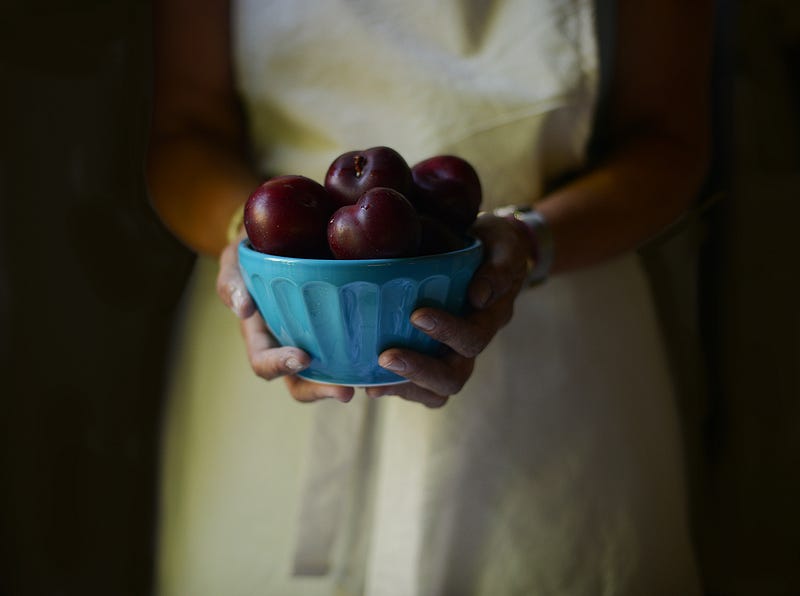
It is now my time to wear a flour-covered apron with sensible shoes that fit my bunions, offering knowing glances and muttering oneliners on living simply.
Simplicity*Harmony*Balance
In the wisdom traditions, we are taught and sometimes learn to balance our wants and needs. Balance is a way of living out cause and effect. Harmony is a way of living out our desires and our cravings. Noticing the lilacs is a way of being in harmony with nature. Smelling the fragrant purple blooms seems easy compared to wanting in our overly consumerist world. But, unfortunately, wanting and needing are our national past times.
In 2020 I decided to refrain from social media, and many interesting things have happened: one being I don’t shop as much. No ads popping up. Not seeing what someone else has on Facebook. Instagram is no longer creating jealousy in my heart. I’m not tempted in a way that I was before — it is rejuvenating not being pulled in the direction of consuming. The part of me that wants, desires, must-have, must-try is the “cheapest room in the house.”
“Fear is the cheapest room in the house. I would like to see you living In better conditions.”
― Hafiz
I love this quote by Hafiz. I often change out the word fear for lower vibe feelings, and it instantly empowers me to live better.
One idea I had was not to buy anything new this year — I didn’t get too far with that, but I have limited my personal buying to the lowest it has been in decades! That makes me feel in harmony. It feels good at my core not to consume. Each month, I make a vow to try just a little harder to consume less, plant more, and give generously.
I love me some alliteration
Waste not want not is a proverbial saying first recorded in 1772 but had an earlier, even more, alliterative version, willful waste makes woeful want (1576), according to dictionary.com. I do love alliteration, but I also needed to double-check the meaning of woeful. Woeful is an expression of sorrow that sounded the alarm bells in my head because sorrow and suffering go hand in hand AND are a huge part of my mindfulness training. In short, suffering is a call to attention or an investigation of our truth and beliefs.
The phrase is short and sweet, but it holds volumes from the sacred texts — just like the Polish Grandma’s and their glances.
More than just recycling
My family is driven a bit crazy sometimes by my recycling, by turning lights off, my insistency of not using the air conditioning, short showers, saving bits of veggies to compost, and the list goes on and on. I do what feels right to do — I could do more, but it is important to do what we can — when it feels right in your gut — stop there. If you feel a bit icky, then do more. Not being wasteful is an individual sport!
Waste not, want not is about our relationship with Mother Earth. It is ultimately our relationship with how we value life consciously or unconsciously. We make a choice that will have a ripple effect in today and in tomorrow.
Another little side note about lilacs they are on the cover of my book “Blessed by Breakfast.” The lifelong desire to write and publish a cookbook followed the timeline of the lilacs blooming. Now in my 50’s, it feels safe to plant new seeds and bloom into the woman my soul has been preparing for.


