
Was Mr. Brocklehurst Based on a Real Person?
Jane Eyre fans remember Mr. Brocklehurst, an underrated villain from Victorian literature. But did you know Mr. Brocklehurst was inspired by a real person?

Mr. Brocklehurst Came From Charlotte Brontë’s Childhood
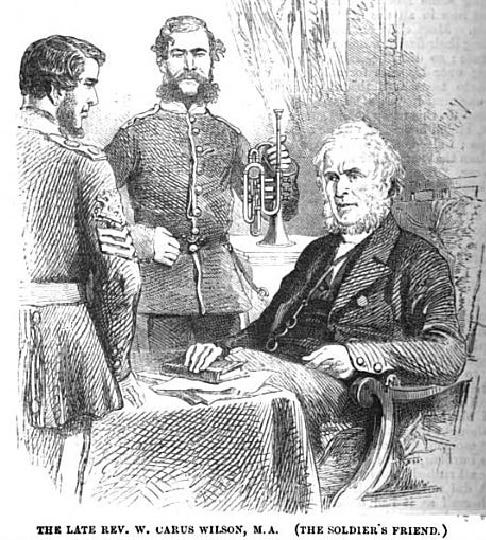
When the book Jane Eyre came out, Reverend William Carus Wilson recognized himself in the book as one of the book’s most memorable villains: Mr. Brocklehurst, the harsh (and hypocritical) head of Lowood School.
If I read a new novel and recognized myself as the hypocritical reverend who caused the death of little girls through neglect, I’d pray to God for forgiveness and guidance. Carus Wilson considered a lawsuit. (Full details of this did not come to light until letters were found and put up for auction in 2006!)
This was avoided only because Charlotte Brontë sent an apology to Carus Wilson. In this letter, she told him that she had used “literary license” to portray an exaggerated version of the school. She told him he could publish it, and for whatever reason, he chose not to do so.
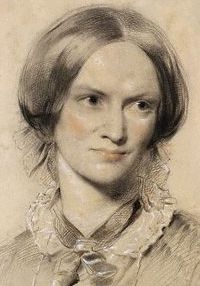

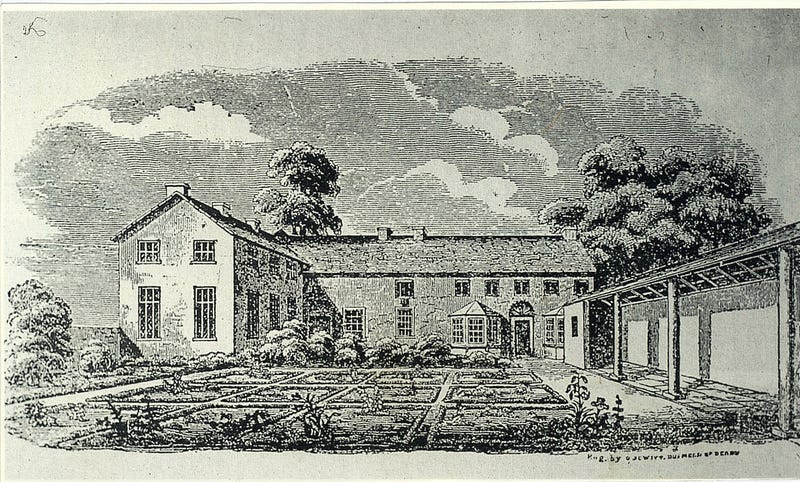
So why did the good reverend recognize himself in this novel? When she was eight, Charlotte Brontë was sent to Cowan Bridge School (also known as the Clergy Daughters’ School), which was founded by Carus Wilson. Harsh and humiliating treatment. Bullying. Severe cold. Terrible food. Inadequate clothing. Charlotte attended along with her sisters: Emily, Maria, and Elizabeth. Why haven’t most people heard of Maria and Elizabeth Brontë? Because they died of tuberculosis at school and never had a chance to become famous writers.
Mr. Brocklehurst thinks children could be saved by reading grim moralizing tales. How did Carus Wilson recognize himself in this? Perhaps because he wrote similar tales. Some appeared in his book, Child’s First Tales. You can browse them on the Internet Archive. (Warning: There is overt racism throughout.) The “lessons” often describe children who suffered after committing sins like climbing a tree without permission. These tales have a higher body count than most Friday the 13th movies.
When Jane Eyre came out, people recognized both the school and Carus Wilson in the book. Charlotte overheard a local member of the clergy saying that he “deserved the chastisement he had got.” Still, Carus Wilson had supporters who became angered on his behalf. (Doesn’t that sound like current events?)
Charlotte’s friend, novelist Elizabeth Gaskell, defended her in The Life of Charlotte Brontë. Gaskell believed Carus Wilson had great intentions — he wanted to help fellow clergymen to educate their children. But she also believed he was a terrible administrator. (She is less kind to the woman who was the model for Miss Scatcherd.)
As Gaskell says, Carus Wilson was probably well-intentioned and sincere in his beliefs. No doubt he worried for the souls of the children under his care. At the same time, I think he was also a hypocrite and a snob who refused to accept his own limitations. He had no idea how to educate children — and even less of an idea of how to keep them warm and fed and cared for. (What is he going to do, sue me?)
You can now book a self-catered holiday at the Clergy Daughters’ School. At least you know that they will keep the place warmer than Carus Wilson did.
Why Do We Hate Mr. Brocklehurst?
Mr. Brocklehurst is a striking villain because we encounter people like him all the time. Not just in history books but also in current events.
Mr. Brocklehurst is cruel, but worse than that, he is a hypocrite. He accuses one girl of vanity because her hair is naturally curly, cutting her hair. Yet his wife and daughters are dressed in expensive clothing and have curled hair. (This nuance is missing from all the adaptations I have seen.)
The Villains Wiki lists him as a “minor villain.” I doubt Jane and the other students would agree! (They do point out that while the character has a lasting impact.)
You could argue that Mr. Rochester’s wife (Bertha Mason) is the true antagonist of the book. But she’s insane and deserved a better fate. (Jean Rhys gave her a more in-depth portrayal in the acclaimed novel Wide Sargasso Sea.) Some even see Mr. Rochester more as an antagonist than as a romantic hero. But when I think of villains in Jane Eyre, it’s Mr. Brocklehurst who comes to mind.
We can’t but hate the man who said, “Oh, madam, when you put bread and cheese, instead of burnt porridge, into these children’s mouths, you may indeed feed their vile bodies, but you little think how you starve their immortal souls!”
My First Mr. Brocklehurst
My first exposure to Mr. Brocklehurst was in the 1970 TV movie version of Jane Eyre starring George S. Scott as Mr. Rochester. (It’s available for streaming on Tubi. If you watch it, take note of the score by a rising composer named John Williams. I wonder what became of him?…)
In this version, Mr. Brocklehurst was portrayed by renowned British actor Jack Hawkins. In Jane Eyre on Page and Screen 2: Young Jane, Linnet Moss reviews the Lowood scenes across several adaptations and notes that his delivery is “somewhat artificial” until the brutal hair-cutting scene.
I think the issues in the delivery arose because Hawkins had his larynx removed because of throat cancer a few years before. Like all his later performances, that portrayal was dubbed. Watching the performance again now, I can tell the line delivery is off. The hair-cutting scene works because it is so physical.
Within a week of watching the movie, I checked Jane Eyre out of the library. The only version available was a huge large-type edition, so I lugged that gigantic hardback around with me, even to school.
It was the Jane Eyre/Rochester dynamic that sent me scurrying to the library. The score by a rising composer named John Williams (yes, that John Williams) no doubt helped. But it was Mr. Brocklehurst who caught my attention first.
And you never forget your first Mr. Brocklehurst.
My Favorite Brocklehursts?
Mr. Brocklehurst in the 1943 version of Jane Eyre (starring Orson Welles and Joan Fontaine) was played by Henry Daniell, known for playing suave villains. Yet there’s not an ounce of charm in his Mr. Brocklehurst. There is rigidity and frost and self-righteousness. A voice that could strip paint yet doesn’t kill Jane’s determination. His scenes would have been even better if the filmmakers had not wasted time adding a character created for the movie, Dr. Rivers.
Another Brocklehurst performance that stood out to me was by John Wood in the 1996 version of Jane Eyre. (You can watch it free with ads on Vudu.) His appearance is closest to the book, and his voice promises “fire and brimstone.” He is precise and well-mannered when he greets Jane’s aunt at her house, but at the school over which he rules, his true self shows. Yet after Jane’s friend dies of TB, you can see a moment of shock in his eyes. Could that be doubt? That portrayal was one of my favorite parts of the movie. If only there had been more of it. But this adaptation cut out many of the scenes taking place at the school.

While John Wood is known to many of us for villainous movie roles (such as the obsessed bishop in Ladyhawke), he was better known for brainy, electrifying, intense stage portrayals. I wish the movie had made better use of him.
Additional Sources
4 Types of Villain — The Last One is Truly Scary Because He’s So Good
Why Does “Jane Eyre” Still Matter?
15 Best Jane Eyre Film Adaptations, Ranked
If you like my stories, or if you want to read more stories by authors like me, please click here to upgrade to full membership. This is an affiliate link, meaning I receive a financial incentive for new referrals.