
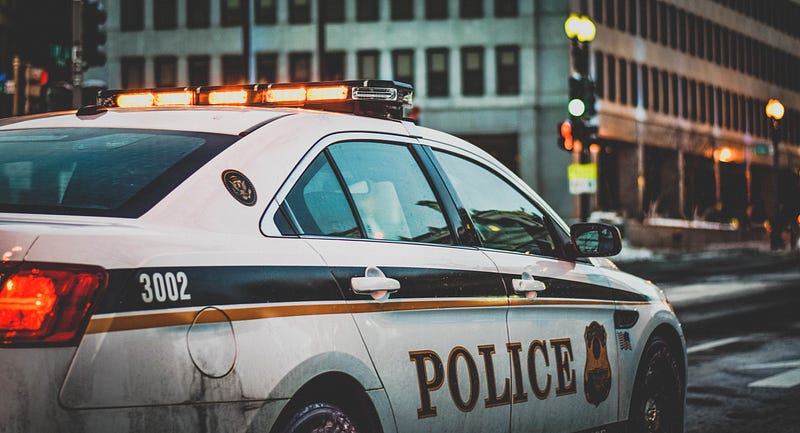
Was I Pulled Over Six Times Because I’m Black? (The Grey Area of Using the Race Card)
A young black male’s experience with the police.
I got the speech when I was younger: “Hands-on the wheel if you get pulled over. Be polite with the officer, and whatever you do, don’t make any sudden movements,” my parents urged.
“Guys, we live in America — this isn’t the Civil Rights Movement — I’ll be fine,” I snapped back.
The next week I got pulled over.
Playing the Race Card
I hated being a black kid in the suburbs. I was too black for the white kids and too white for the black ones. This placed me firmly with the misfits — kids who were too strange to fit in anywhere.
We had magicians, nerds, athletes, black kids, whites, you name it. All of us were comfortable in our own skin but had just the right amount of weird to be outcasts.
As a misfit in high school, I never played the “black card.” It didn’t seem fair to me. I was hanging around what I considered to be minorities because of their social status; race didn’t matter with these friends.
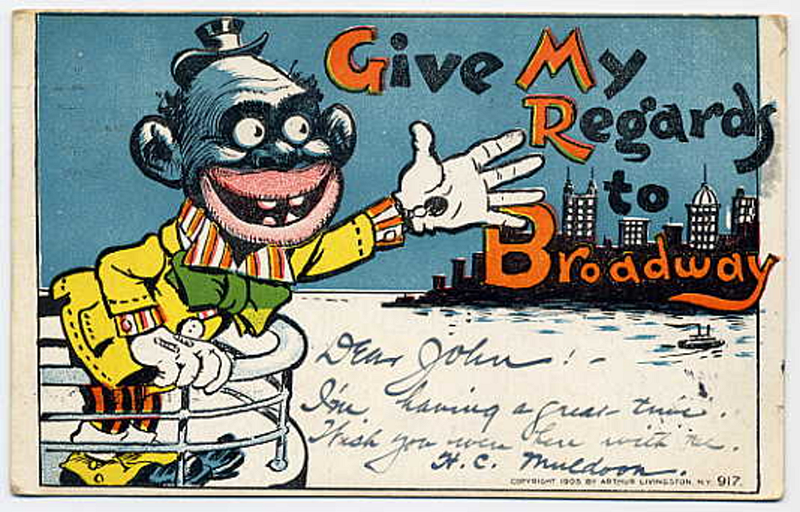
Sure, being a black kid in the suburbs blew. I had white kids go up to me and ask dumb questions like:
“So what’s it like to be black — like when you wake up in the morning how do you feel?”
To which I’d respond: “well, you know — I put on pants, brush my teeth — oh, we do pray to black Jesus though.”
But occasional ignorance aside, I had a blessed life, good friends, and a loving family — so no race card needed. Then I got pulled over in Clark, NJ, a town where rumors circled of historic cross burnings and to this day has a mayor who makes airheaded comments:
“[I’m] pro-black for all the good black people,” Mayor Sal Bonaccorso clarified during a police brutality protest.
Racist Cops
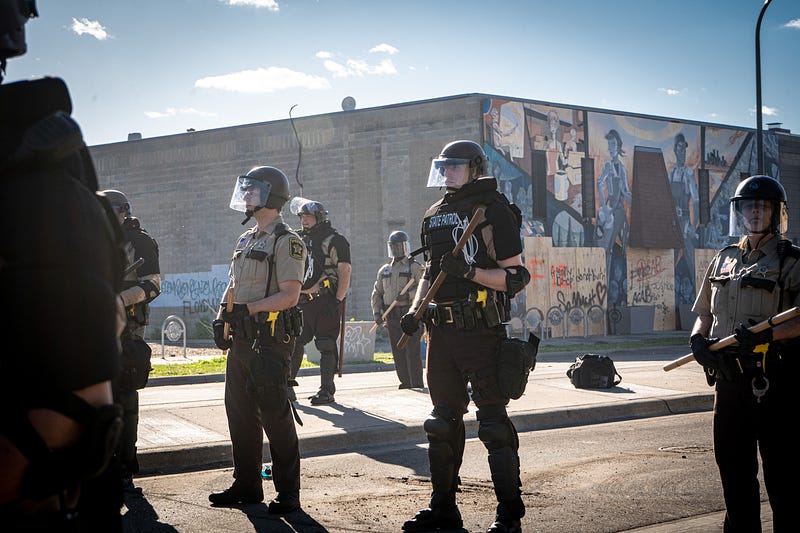
One of my misfit buddies and I were going to see our weekly movie and I agreed to drive. I won’t lie to you — I was in high school, so there were times when we’d burn rubber.
Because we lived in a boring suburban town we’d do donuts in parking lots and pretend we were Vin Diesel in Fast in The Furious. This, however, was not one of those times.
I have a weak case with my own testimony and that of my friend, but let me add this: I was driving my mom’s car.
Mom drove an old Toyota SUV and as a young high school driver, there was no burning rubber in that thing. It was like trying to go 20mph on a scooter — you can do it, but it’s going to look ugly.
So after seeing sirens in my rearview I pulled over to the side assuming the cop would go by. But he didn’t, he pulled right behind me. “Oh sh!t.”
That first time you get pulled over is like being sent to the principal’s office. Unless you’re used to after-school detentions and teachers slamming rulers on your desk, it’s a terrifying experience.
The officer approached the window:
“You know how fast you were going back there,” asked the officer.
“Yeah, about 30 mph maybe, I didn’t even think you were pulling me over actually,” I laughed trying to play the situation off.
“No you were going 34 mph — this is a 25 mph zone — and your headlight is out. I’m going to have to write you two tickets.”
Aptly enough, two things went through my head:
- This was one of those busier roads where everyone goes at least 30. Is nine miles over the speed limit even a crime?
- Why the hell is this guy writing me a ticket for a light when it’s 11:00 a.m. and sunny out?
He asked me if I had a job, to which I anxiously responded yes. I thought proving I was a responsible adolescent would let me off the hook. The officer only asked to make sure I could pay for the tickets.
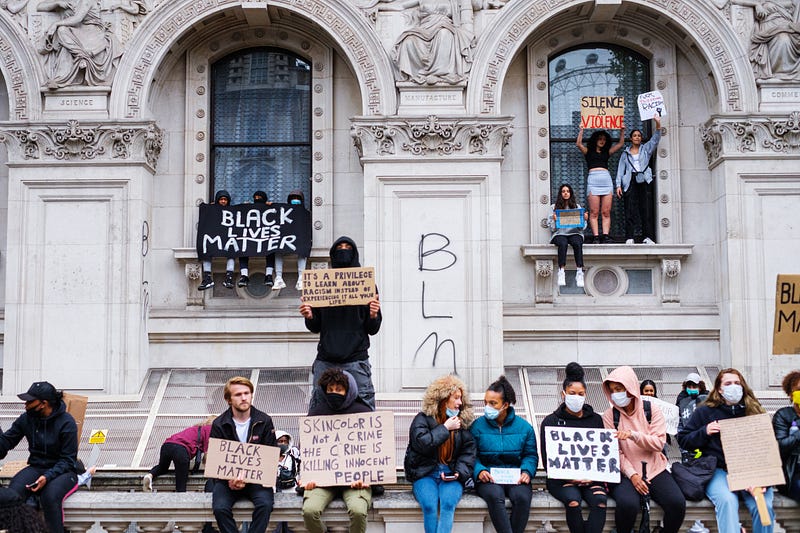
I didn’t want to play the race card, it wasn’t me. But what the hell else could it have been?
One ticket to warn me about going slightly over the speed limit would be fine. But one for the headlight in the middle of the day felt off to me — like I was being wronged for something out of my control.
That said, the cop could’ve been having a bad day leading up to this confrontation. Maybe he needed to fill a quota, or he’s just an a-hole who’s not racist. It does suck that as a black male I have to look at these aspects while also considering my own race as a factor.
At least I kept both my hands on the steering wheel as my parents instructed.
Recent Encounters— Are All Cops Racist?
I was pulled over five times during my last semester of college and I didn’t get a ticket for any of them.
Most of these occurrences paralleled my first experience, cops pulling me over for little to no reason. The difference was that these encounters happened in North Jersey — towns where residents weren’t accused of being racists.
These recent batches of getting pulled over almost all happened at night, some at 2 a.m. You’d think dealing with cops at night would be worse than in the day but in my experience, it was more pleasant.
They’d crack jokes with me, one of them even asked if we could play poker sometime.
I adhered to my parent's rules of being cautious around cops but began to develop a few of my own:
- Cops reflect the people they defend — corrupted citizens usually means crooked cops.
- When a cop pulls you over and gives you a BS ticket (headlight out during the day or running a yellow light) it doesn’t mean they’re racist, but it’s a red flag.
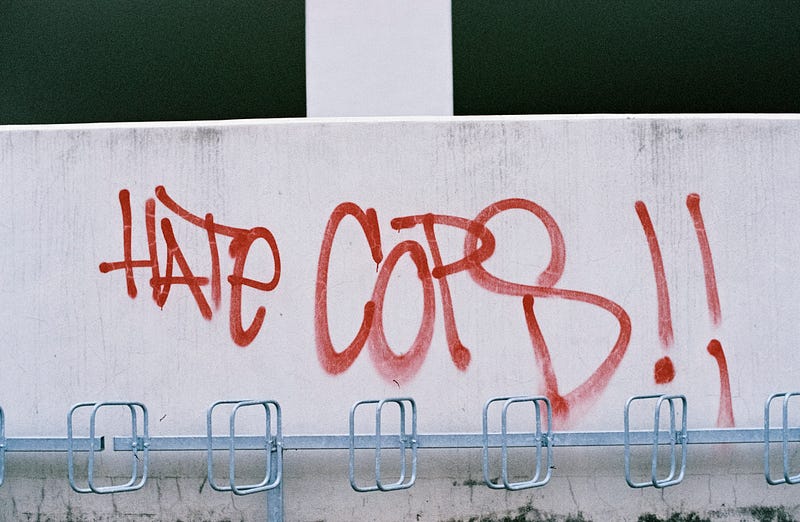
The cops I encountered later in life totally flipped the perception I had. Now, this young black man who’s been pulled over six times, who has every right to badmouth cops for that sheer fact alone, defends them from his white friends.
Those same misfit buddies I grew up with mean well but they throw blanket statements over cops:
Calling them “scumbags” for doing their jobs or acting like they have to challenge their authority whenever the police are around.
I don’t envy the police
I’d never want to pull someone over at 2 a.m. with the possibility that the person inside that car could hurt me. This is one of the hardest jobs on the planet, so I can’t help but detest these racist cops that give the good ones a bad name.
Bad cops are a result of a corrupt system driven by crooked citizens. These protests need to address the real problem: those places where citizens still don’t care and racist cops roam free.
The change has to start with you — change yourself before you change the world.
Once you yourself change, your family will take notice, then your neighbors, and before you know it, communities and municipalities.
These towns that get away with injustices are the ones we need to revolutionize. Corrupt systems are allowed to flourish there because citizens don’t care enough to stand up.
The only way to fight oppression is through empowerment. Read, write, share, love, and don’t judge people in groups — address individuals and systems.
And hopefully, when I’m older I won’t have to give my kid the same speech my parents gave me.
I believe that there will be a clash between those who want freedom, justice and equality for everyone and those who want to continue the systems of exploitation.” — Malcolm X


